Intro_Retinoid_blog_2d171024-0149-4595-a8b3-2f56d4e91e9d.png
Dr. Laura's Guide

HOW TO INTRODUCE RETINOIDS WITHOUT IRRITATION

It's no secret that retinoids are the gold standard in anti-ageing and long term skin health. However, with great power, comes great responisbility!! Introducing a retinoid into your routine can cause irritation if you don't get it right.


So, here's how to introduce one properly.

WHAT ARE RETINOIDS?

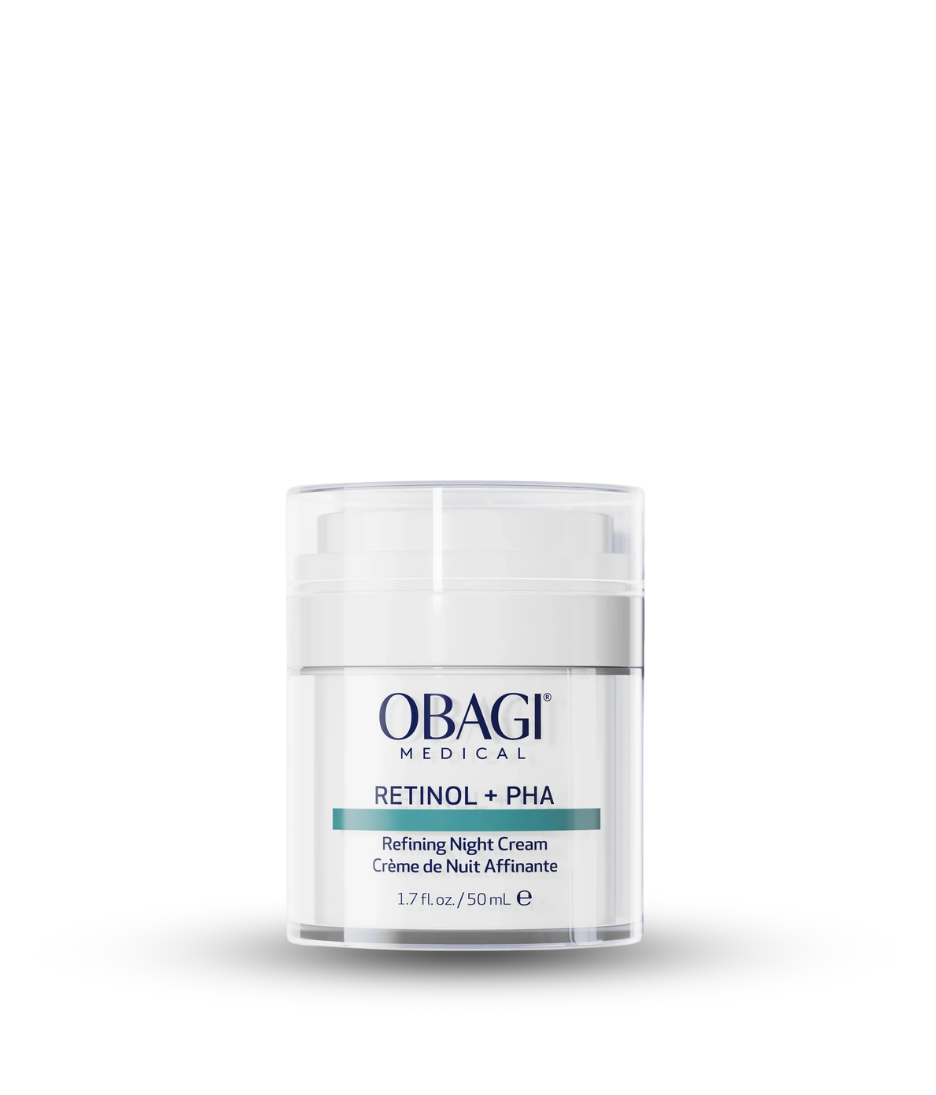
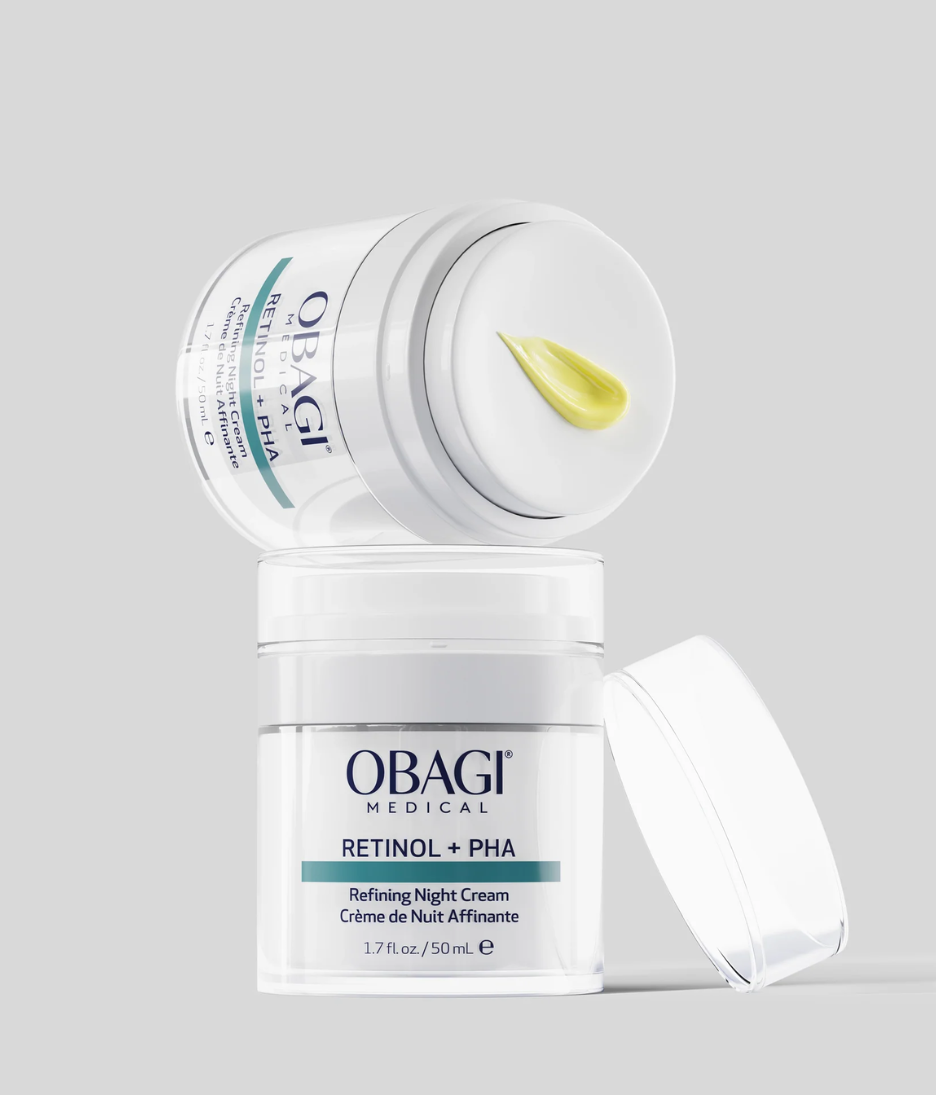
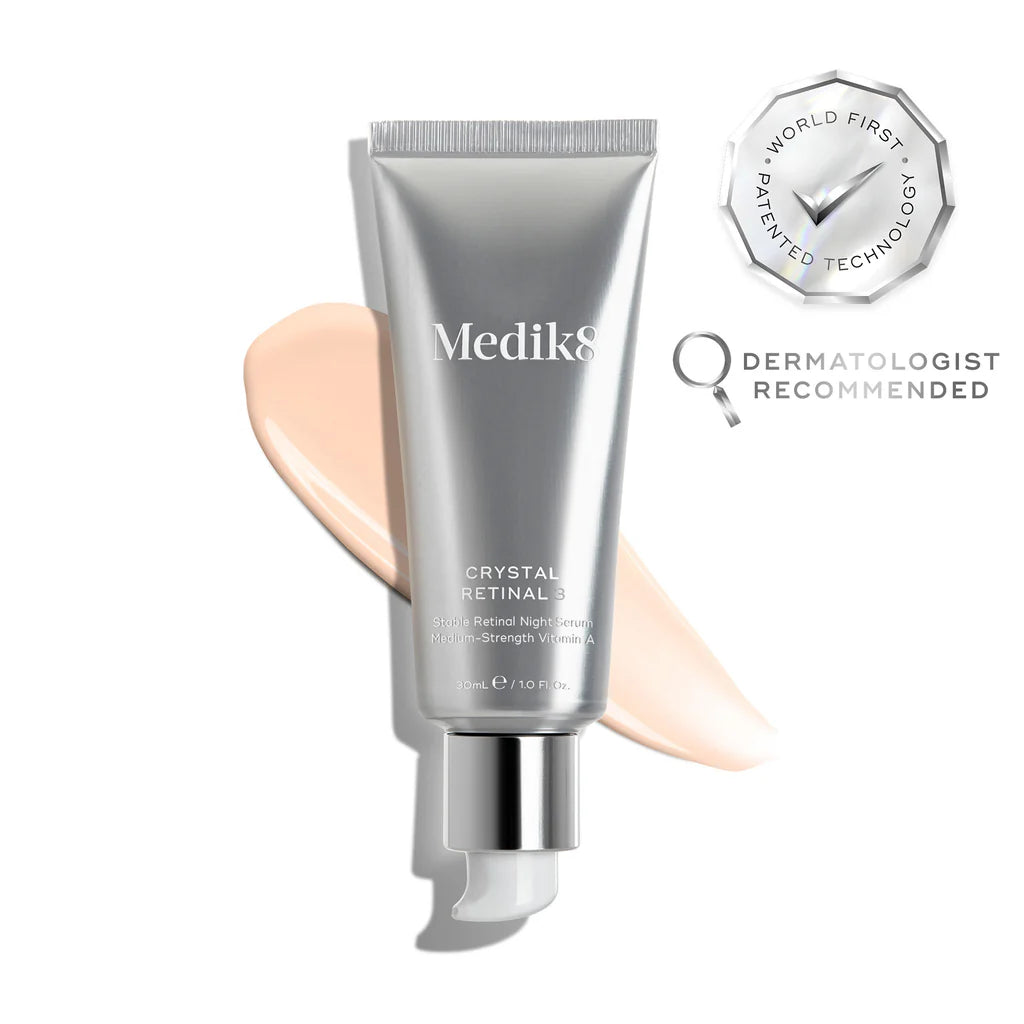
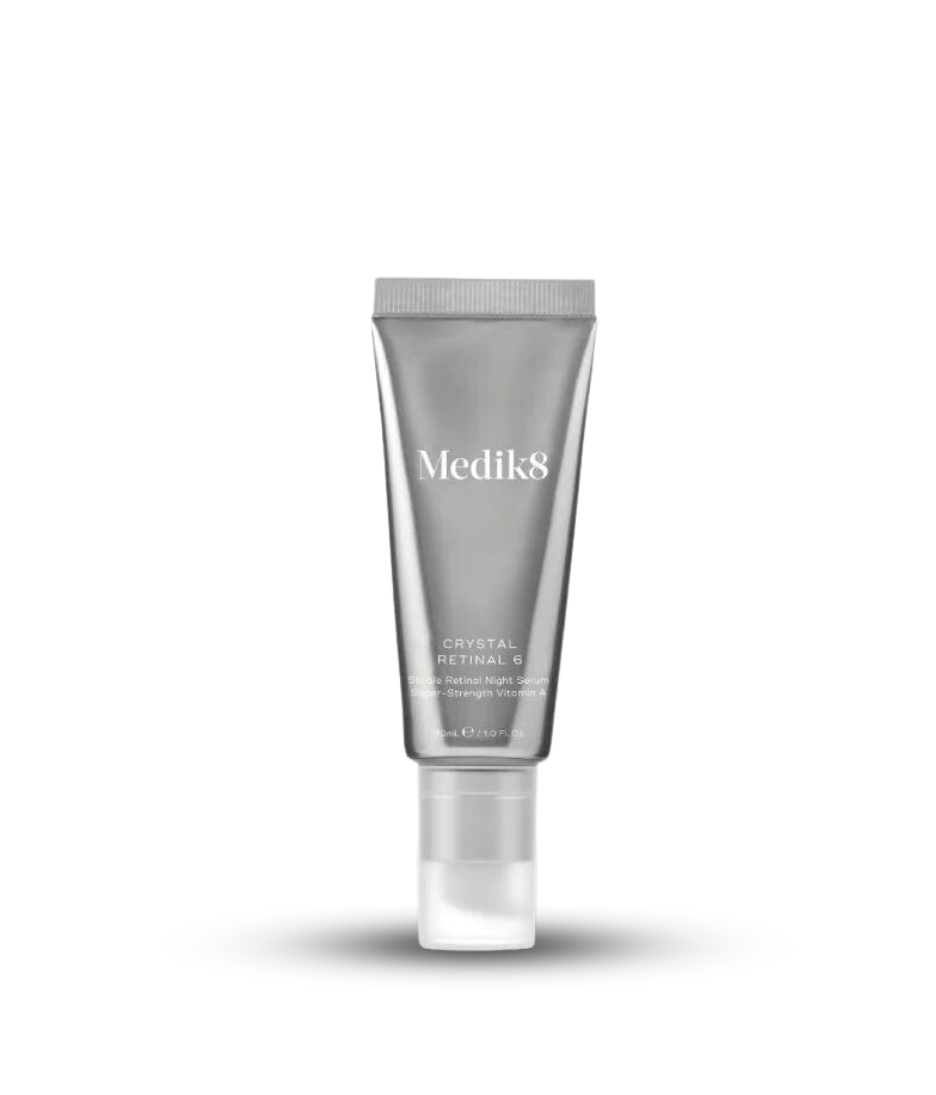
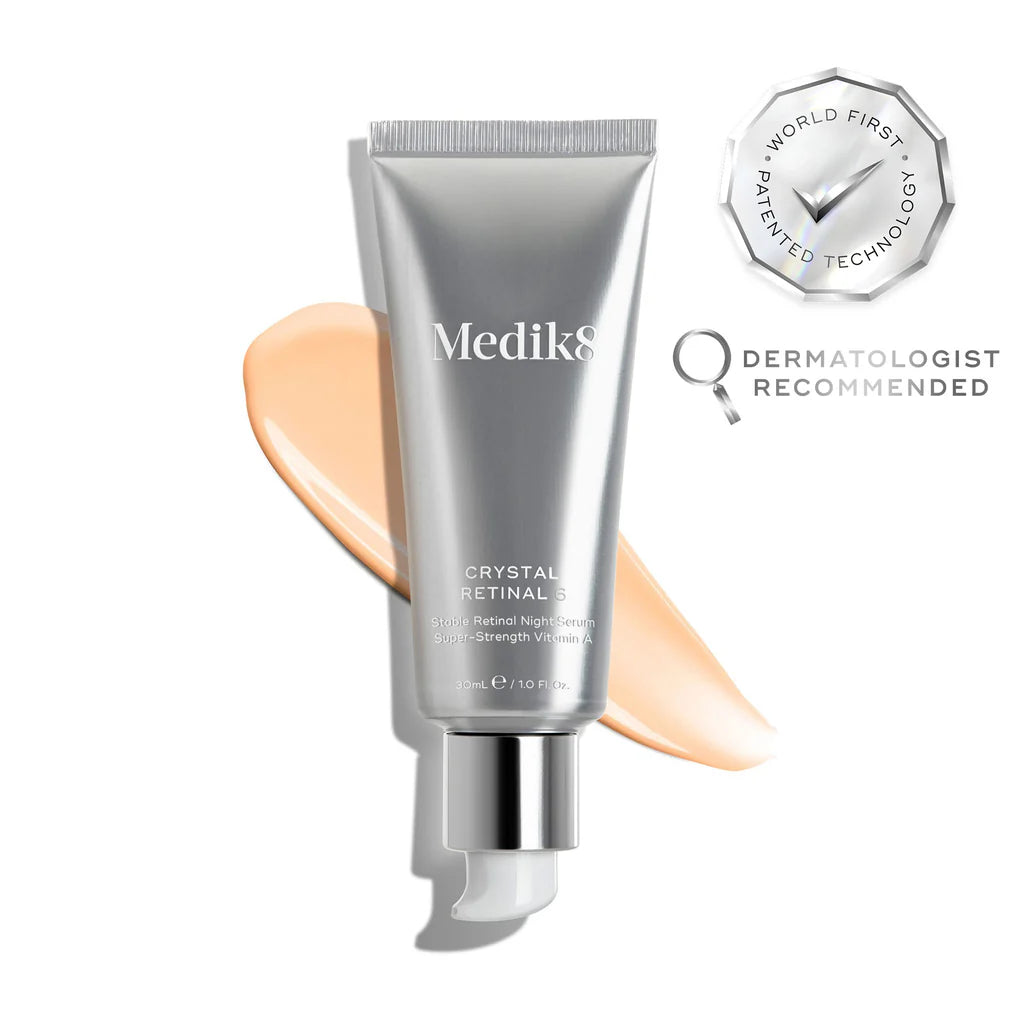
Retinoids are the ingredient I recommend most consistently for long-term skin health. They're Vitamin A derivitaves, and usually come in the form of creams or serums. There are many forms of retinoids, including retinyl esters, retinol, retinaldehide, tretinoin, and more.


The evidence behind them is stronger than almost anything else in skincare. They:
- Increase cell turnover
- Stimulate collagen production
- Reduce the appearance of fine lines
- Improve skin texture and tone

- Help with pigmentation.

Used correctly, they genuinely change skin over time.


People often give up at the first hurdle when starting with retinoids.
Often, when people start too fast they experience dryness, sensitivity, flaking skin, redness or stinging when using other products. Almost every case of retinoid intolerance I see is a case of doing too much too soon rather than an actual contraindication or skin sensitivity.

START LOW AND GO SLOW

retinoids.jpg
Skincare_Lifestyle.jpg

If you're new to retinoids, start with the lowest strength available and use it every third night for the first two weeks. Not every night. Every third night.
The temptation is to use it more often when your skin seems fine in week one, but the adjustment is happening at a cellular level before it shows on the surface. Give it time.

After two weeks at every third night, move to every other night. After another two weeks, you can try nightly if your skin is happy. Some people stay at every other night indefinitely and get excellent results. There's no prize for using it every night if your skin does better on alternate nights.
WHAT TO USE ALONGSIDE RETINOIDS

A good moisturiser applied immediately after your retinoid is the single most effective way to reduce irritation. Apply the retinoid, wait a minute or two, then apply your moisturiser on top. This slows the absorption slightly and dramatically reduces the chance of irritation without reducing the results.

*Expert Tip*

I often recommend somthing called the sandwich method when using retinoids, particularly for those with drier, or more sensitive skin. It essentially means you apply a layer of a moisturiser (or hydrating serum), let that dry dowm, apply your retinoid, and finish with moisturiser again. Sandwiching your retinoid between two hydrating layers.

A niacinamide serum underneath your retinoid (as part of the sandwich method), before you apply it, is one of the best things you can do during the adjustment period. It calms the skin, supports the barrier, and helps with any redness or uneven tone the retinoid is surfacing. It can also be used in the morning as part of your AM routine. The La Roche-Posay Mela B3 Serum and SkinCeuticals Metacell Renewal B3 are both brilliant options. I generally suggest these to any patients I put on retinoids.

Moisture_Melt_Conditioner_Sea_Solu_2.png

SPF every morning without exception

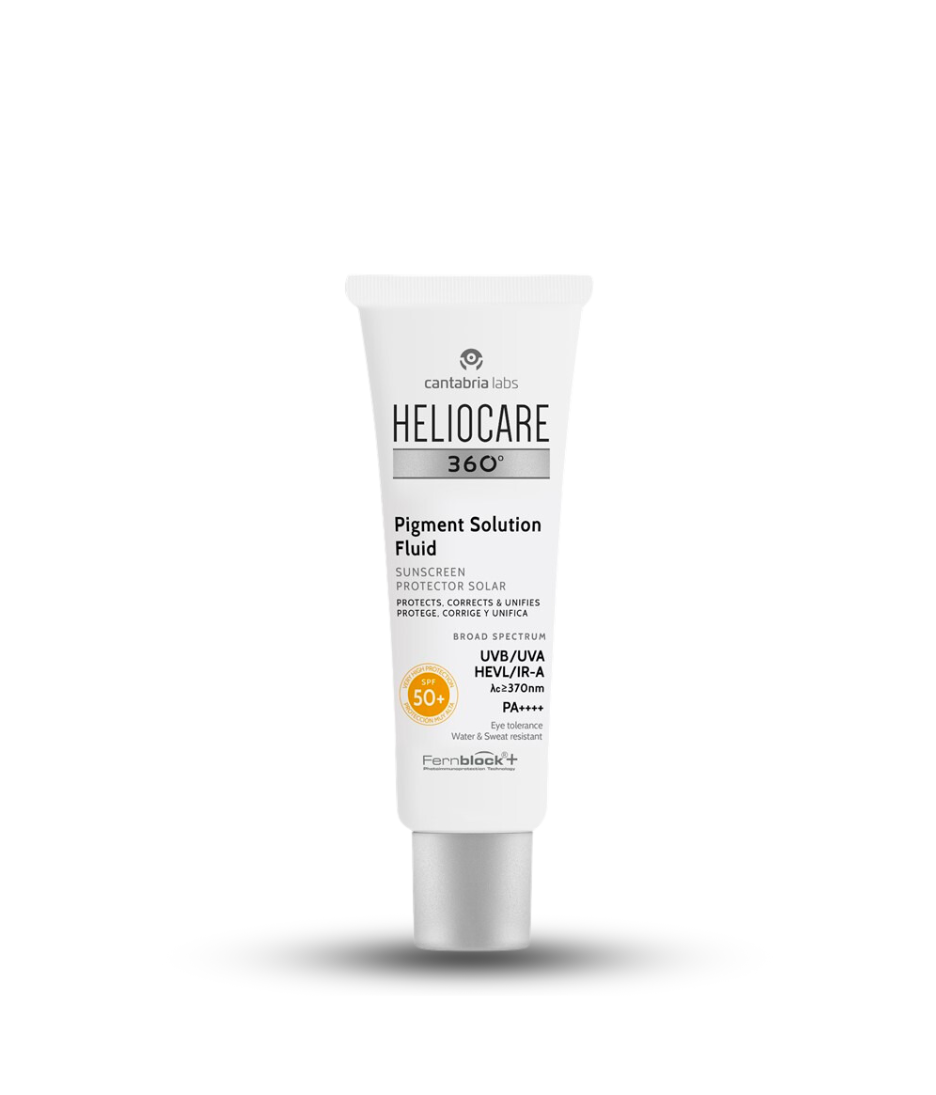
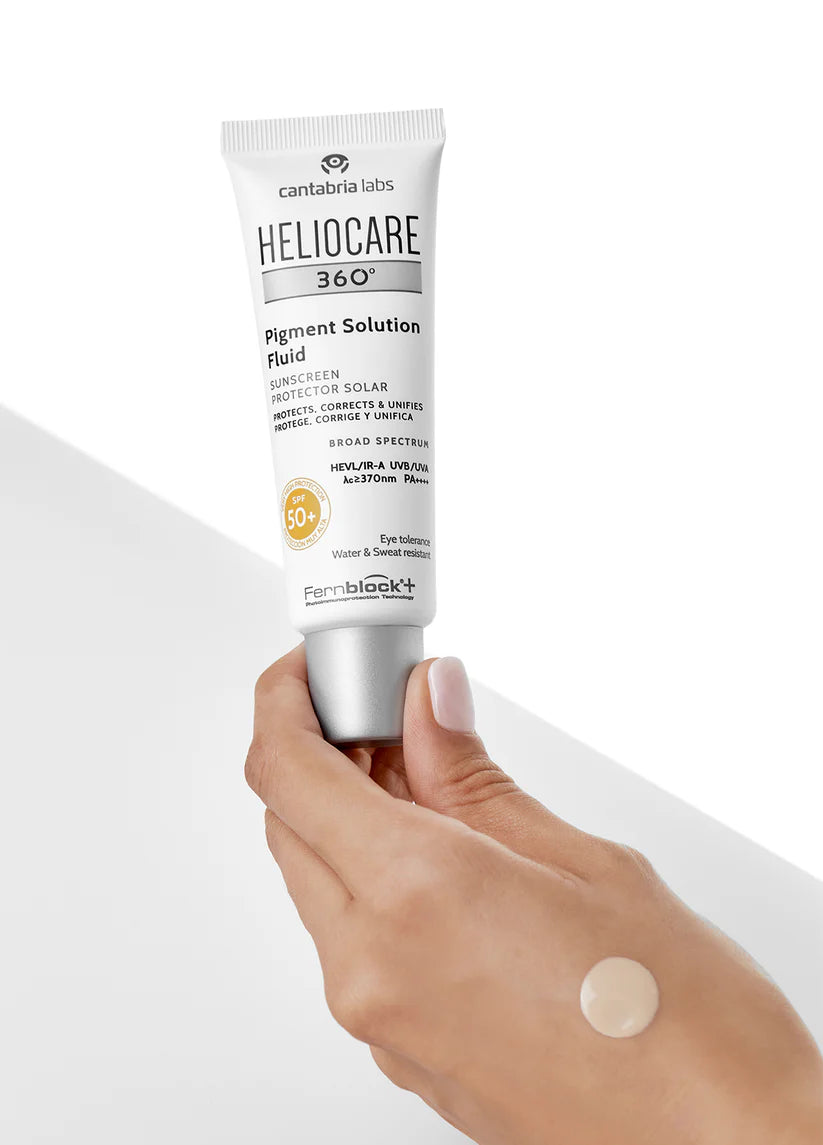
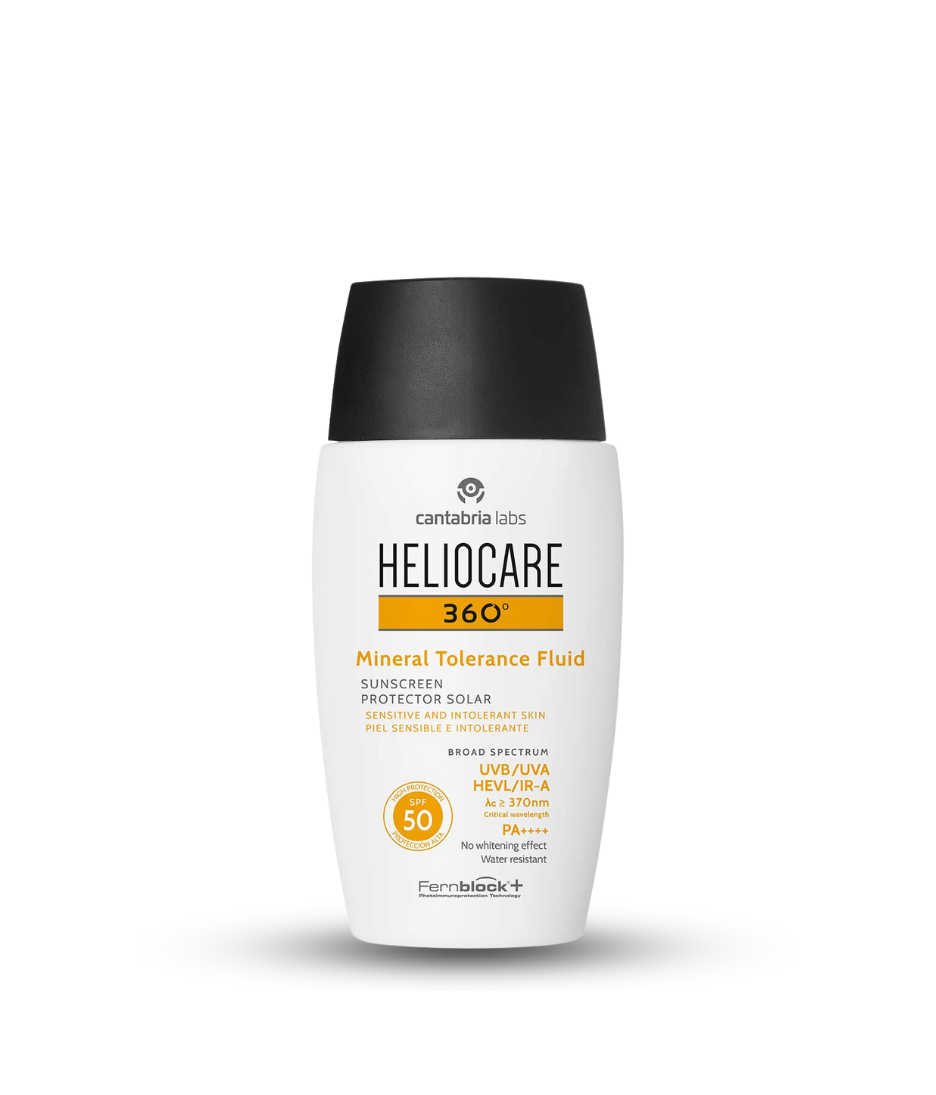
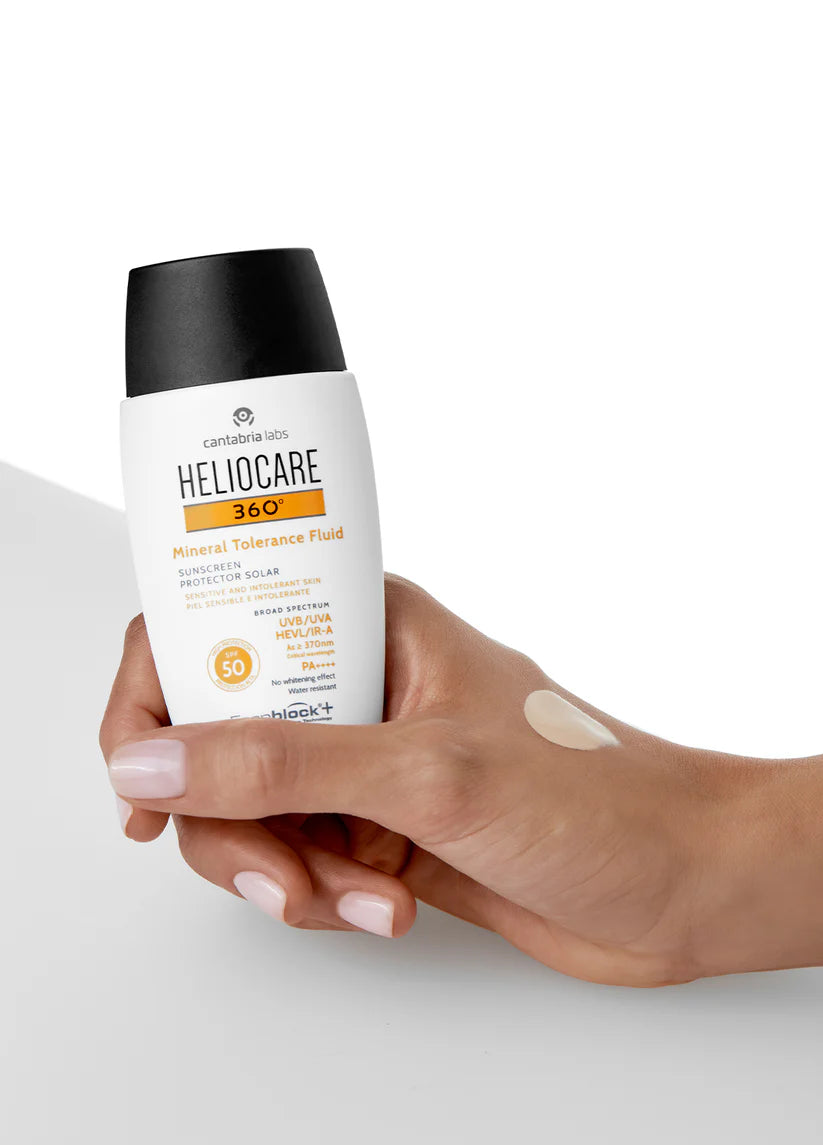
When you're using a retinoid your skin is turning over faster. New skin cells are reaching the surface more quickly and they're more vulnerable to UV damage than older cells. SPF in the morning is not optional when you're using a retinoid at night. It's the other half of the treatment.

WHAT TO AVOID ON RETINOID NIGHTS

Don't use your AHA or BHA exfoliating acid on the same night as your retinoid when starting out. Both are active ingredients, meaning they cause activity in the skin. Layering them increases the risk of irritation significantly. Alternate the instead; retinoid on Monday, Wednesday, Friday. Exfoliating Acid on Tuesday and Thursday.

I generally advice that you use your antioxidant in the morning anyway, but in case any of your PM skincare has Vitamin C in it, avoid that step on nights you're using your retinoid.

WHAT'S NORMAL, WHAT'S NOT?

Rosacea_Tile.png

Some dryness and mild flaking in weeks two and three is normal. It usually means the retinoid is working and your skin is adjusting. Keep moisturising, keep the SPF up, and push through it.

Genuine redness, stinging or significant irritation is your skin telling you to slow down. Pull back to once a week, let your barrier recover with a good moisturiser, and build back up more gradually.

WE'RE HERE TO HELP

If you're ever unsure whether what you're experiencing is a normal adjustment or something to address, book a Skincare Chat and I'll take a look with you.

The information in this article is intended for general educational purposes only. It is not a substitute for professional medical advice, diagnosis, or treatment. If you have concerns about your skin, please speak to a qualified medical professional. If you'd like to discuss your skincare with us, we're happy to help.