Dr_Laura_Clinic_Header_Update.png
DR. LAURA'S GUIDE

Why Consistency Matters More Than Anything In Skincare

The patients who get the best results are almost never the ones with the most expensive products. They're the ones who do the basics, every day, for long enough that the basics actually have time to work. That's it. That's the whole secret.

Consistency is the single most under-rated thing in skincare. Everyone wants the new serum, the next active, the technology that's going to change everything. But the new serum isn't going to change anything if you only use it for three weeks before you decide it's not working and switch to something else. And almost everyone does this.

I want to walk you through what I see in clinic, because if you recognise yourself in any of this, you're in good company. It's the most common reason I see for skin not improving, and it's also the easiest thing to fix.

The patient who switches every six weeks

A version of this conversation happens in clinic almost weekly;

Someone comes in frustrated. They've tried everything. Three different vitamin C serums. Two retinols. Four different moisturisers. They've spent hundreds of euros over the past year and their skin doesn't look any different.


I always ask the same question. How long did you use each one before you switched? The answer is almost always four to six weeks.


Skin renewal takes around 28 days at best, and slows as we get older. To see meaningful change in pigmentation, fine lines, firmness, or texture you need three to six months of consistent use. Sometimes longer. Six weeks barely qualifies as a warm-up.


The patient who switched every six weeks didn't have a product problem. She had a consistency problem. And once she committed to one routine for six months, her skin transformed. Same products other people had been using for years. The difference was time.

THE RETINOID THAT "DIDN'T WORK"

retinoids.jpg
picture of 2 alpharet bottles in hands

Retinoids are the product I see this with most. The pattern is so predictable I can almost time it. Someone starts a retinoid. Weeks one to three are fine, maybe a bit of dryness. Week four hits, the skin starts to peel and look worse before it looks better. Most people quit here.

This is when retinoids actually start to work. The cell turnover is increasing, the surface cells are sloughing off faster than the new ones can replace them, and the skin temporarily looks rough. If you push through, by week eight to ten everything settles and the skin looks better than it did before you started. By month three you start seeing the real benefit, smoother texture, fewer breakouts, brighter tone, fine lines starting to soften. By six months it's a different face.

But almost no one gets to month three. They quit at week five and tell me retinol didn't work for them. The retinoid worked. The consistency didn't.

Pigmentation, the slowest game in skincare

Pigmentation_Tile.png
pigmentation_close_up_freckles_2.jpg

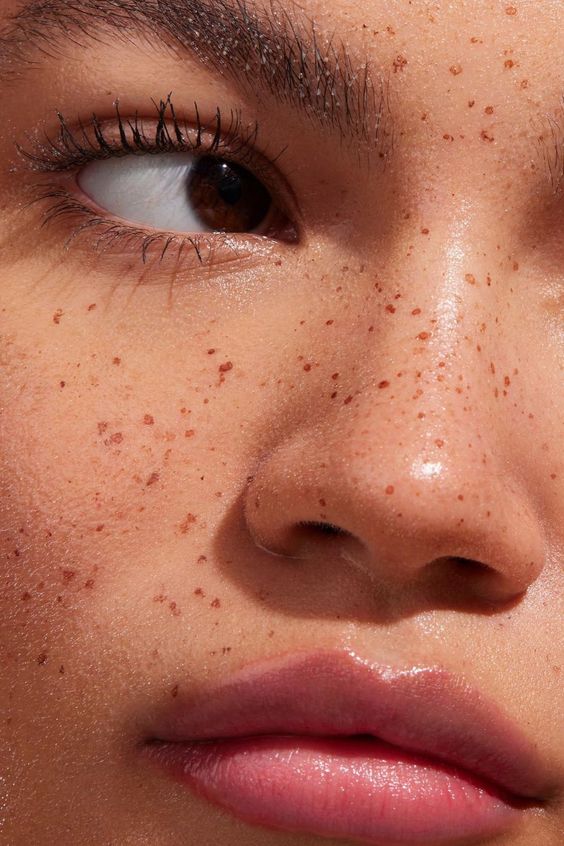
Pigmentation is where consistency matters most and where it's hardest to maintain, because the rewards take so long to arrive.

You can do everything right for three weeks (vitamin C in the morning, SPF every day, exfoliating acids two nights a week, a retinoid on the others) and your pigmentation will look exactly the same. Maybe slightly worse, because actives can temporarily darken pigment before they lighten it. Most people give up at this stage. They were promised brightening and brightness hasn't arrived.

Pigmentation responds at month three. Sometimes month six. Some types take a year of consistent treatment before you see meaningful change. The patients who get there are the ones who didn't expect quick wins. They committed to a routine, did it every day, and stopped checking the mirror obsessively. That's the trick.

THE SEASONAL DISAPPEARING ACT

3_193651a2-e5f4-435e-bab5-68b418afce43.png
DarlingSPFSkiPasswithmodel.png

The other pattern I see is the routine that disappears in winter. Someone does brilliantly in spring and summer, the skin has never looked better, then October hits and the routine drops off. SPF stops because there's no sun. Retinoids stop because the skin gets dry and they panic. By spring they're starting from scratch again.

But winter is when your skin actually has space to do the deeper work. UV exposure is lower, so retinoids, acids, and brightening actives can do their job without being undermined by sun damage. Skipping the autumn and winter months is skipping the most productive part of your skincare year.

This is one of the conversations I have most often. People assume sunny months are when SPF and antioxidants matter. They're wrong. UV gets through cloud cover, glass, and Irish drizzle. Damage is happening every day, all year. The routine doesn't get a break, and your skin doesn't either.

The "I'll start when I have time" trap

The other version is the routine that's always about to start next week. After the wedding, after the work project, after the holiday, after Christmas. Then a year passes and nothing has actually started.

Your skin doesn't take a holiday. It's ageing every day, exposed every day, doing its work every day. The routine you'll do tomorrow is worth less than the routine you'll do tonight. Done is better than perfect.

Three steps you actually do every day will give you better skin than seven steps you do twice a week.

Why you can't see your own progress

The cruellest part of consistency is that you almost never notice it working on yourself. You see your face every day. The changes are tiny and gradual. Six months of consistent care looks identical day to day. The only way you know it's working is to compare a photo from six months ago, and most people don't take the photo.

This is why people quit. They've been doing the routine for three months, they don't see anything, they assume it's not working. Often it's working brilliantly. They just can't see what someone else would see, which is that the inflammation is down, the pigmentation is fading, the lines are softening, and the texture is changing.

If you take one piece of advice from this article, take a photo of your skin today, in good light, with no makeup. Then take the same photo every two months. By month six the change will be obvious. By month twelve it'll be undeniable.


Laura.jpg

MY CONFESSION AS A GP

I tell patients this and they sometimes look at me like, "easy for you to say." So I want to be honest. I'm a doctor and I forget things. I've been on holiday and not packed my retinoid. I've started a new product and quit it after six weeks because I didn't think it was working, only to wish I'd stuck with it. I've gone through stretches where my routine slipped because life was busy (or if you follow me and know I just got diagnosed with ADHD, you'd know that my routine is basically non-existent right now...)


What I've learned is that the routine that survives is the simple one. The one that takes three minutes morning and evening. The one that doesn't require deciding which of seventeen serums to use today. The one with products I trust, that I don't have to think about.


This is exactly why we built Phare around the Core Four (antioxidants in the morning, SPF every day, retinoids in the evening, exfoliating acids a few times a week) and the bookends of cleanser and moisturiser. Six steps total. Not seven, not twelve. Six. It's far more manageable to keep on top of, and it's far more likely to actually happen consistently.


If you simplify your routine to six products that earn their place, you'll do them. If your routine has fifteen steps and a complicated weekly rotation, you'll quit it within a month. Pick the simpler version every time.

WHAT CONSISTENCY ACTUALLY LOOKS LIKE

These are my one-liner pieces of advice that I'll never stop giving..

1) Find as SPF you like and use it every single day.

2) Pick one active, one. Don't add a second until you've used the first for three months and your skin has settled.

3) Take photos every two months in the same light, same angle.

4) Don't switch products in the first six weeks. You don't have enough information yet. Really, we recommend 12 weeks, but 6 is a solid start.


5) Build a routine you'll do on your worst, busiest, most exhausted day. That's the real routine. Anything beyond that is a bonus.

It's harder now than ever to stay consistent... new products go viral every other day on social media. Brands release new products way too often. Influencers record themselves doing 20-step routines that you'll NEVER stick to.

I'll never recommend anything more than I recommend being consistent.