retinol_in_summer_image.png
DR. LAURA'S GUIDE | June 2026

Can You Use Retinol in Summer? Yes. Here's How.

This is one of the questions I get asked most frequently at this time of year, and the answer is yes. You can use retinol in summer. What you can't do is use it carelessly, and there are a few things worth adjusting in how you apply it during the warmer months. But stopping retinol entirely because it's July is one of the biggest skincare mistakes people make, and the skin pays for it.

Here's what's actually going on, and what to do about it.

Why people think they should stop

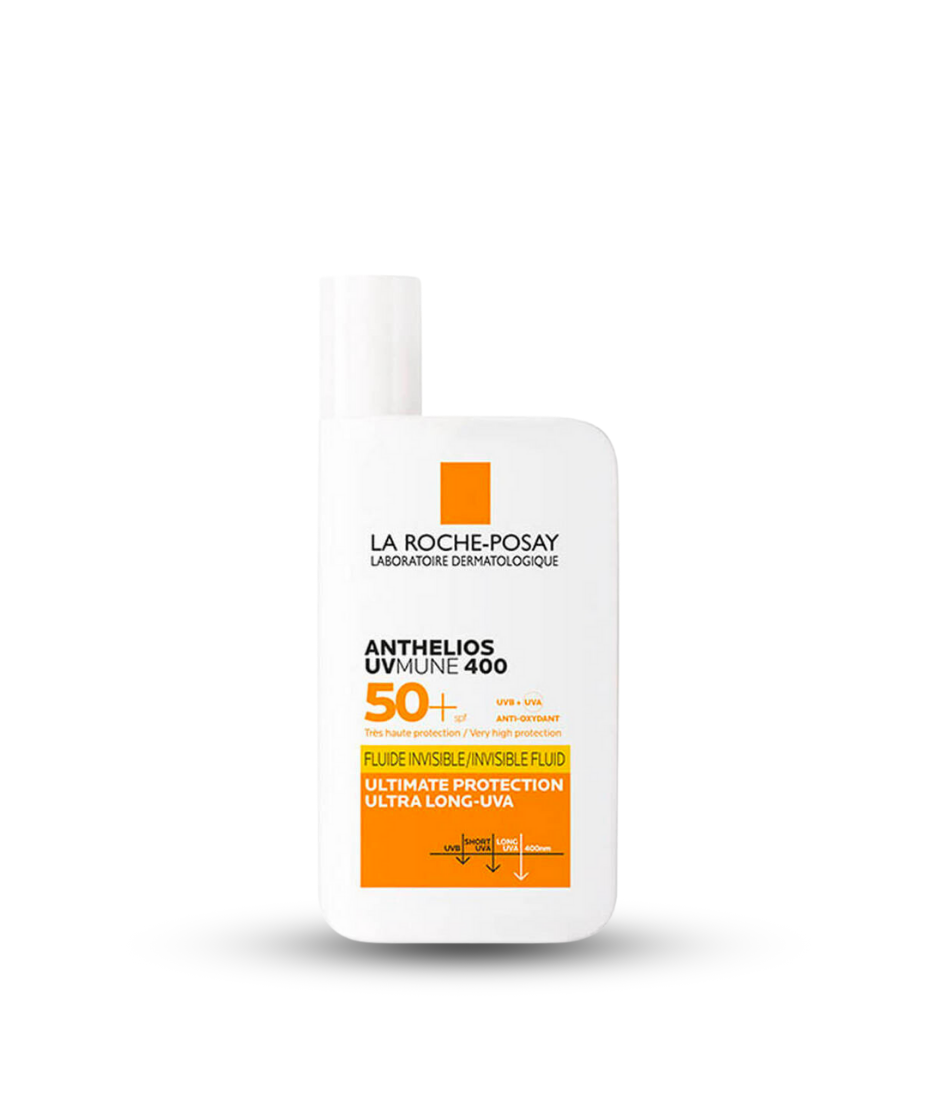
Retinol (and all retinoids for that matter) increases cell turnover. As the skin sheds faster, the newer skin underneath is temporarily more sensitive to UV exposure. This is true. It's also why the advice has always been to use retinol in the evening only, and to apply SPF every single morning without fail. Those two rules don't change in summer. They become more important.

The idea that retinol is incompatible with sun exposure is based on a misunderstanding of how it works. Retinol itself breaks down in UV light, which is why it should only ever be applied at night. But when applied in the evening, it has metabolised and done its work before you're exposed to sun the next morning. The increased sensitivity that follows is managed by good SPF. Which you're already wearing. Every day.

If you stop retinol in summer you lose four to five months of cumulative results every single year. Retinol works progressively. The benefits build over months of consistent use. Pausing for summer means starting again from scratch every September, which significantly reduces what you actually get from it long term.

What to adjust

Frequency, not the product.

If you're using retinol every night in winter, dropping to every other night in summer is a reasonable adjustment, particularly if you're spending more time in direct sun, swimming, or if your skin feels more reactive than usual. You don't need to stop. You need to be consistent with SPF and perhaps give your skin an extra recovery night per week.


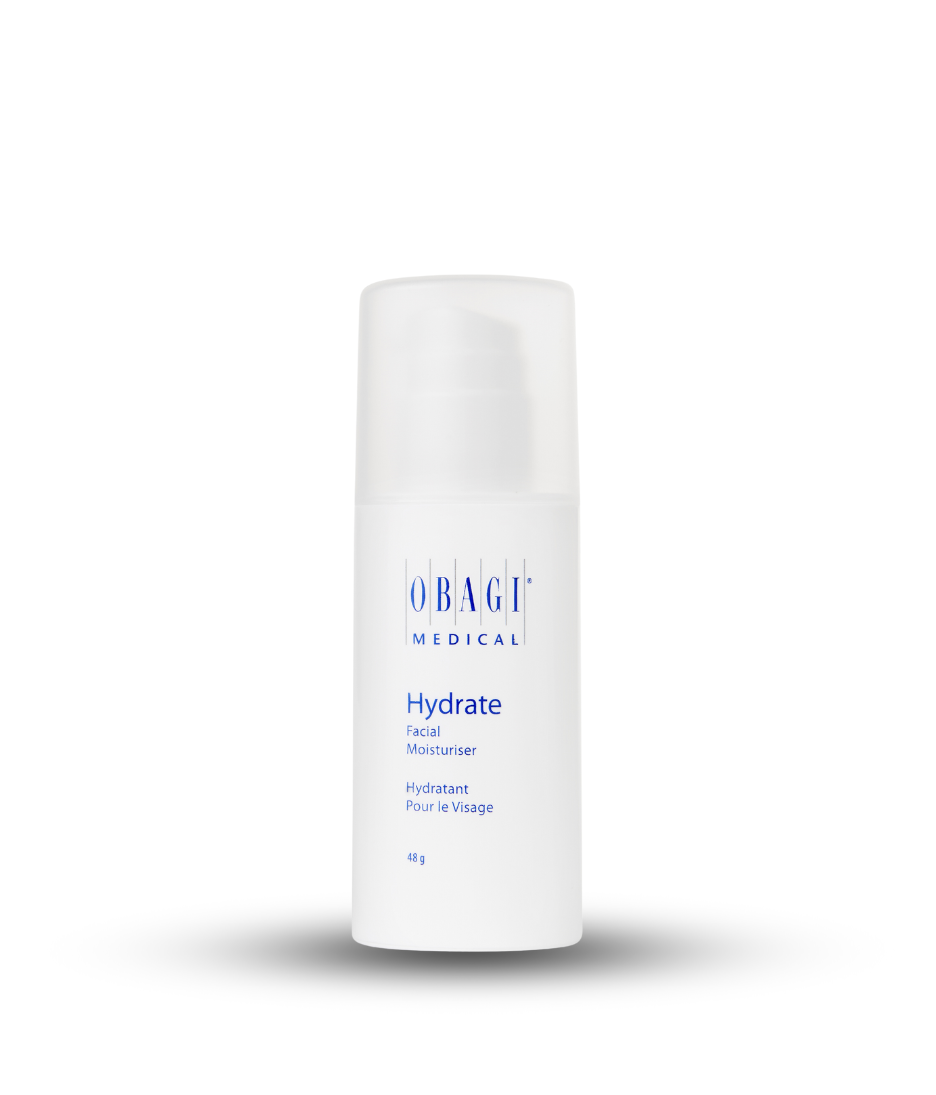
Hydration matters more too. Retinol and sun exposure both stress the barrier. (If you think your barrier might be stressed, you need this routine.) Keeping the skin well hydrated with a good moisturiser after retinol application helps maintain that barrier and reduces the likelihood of irritation. Don't skip the moisturiser step.


For beginners or sensitive skin

retinol_lifestyle_image.png

For those already using retinol

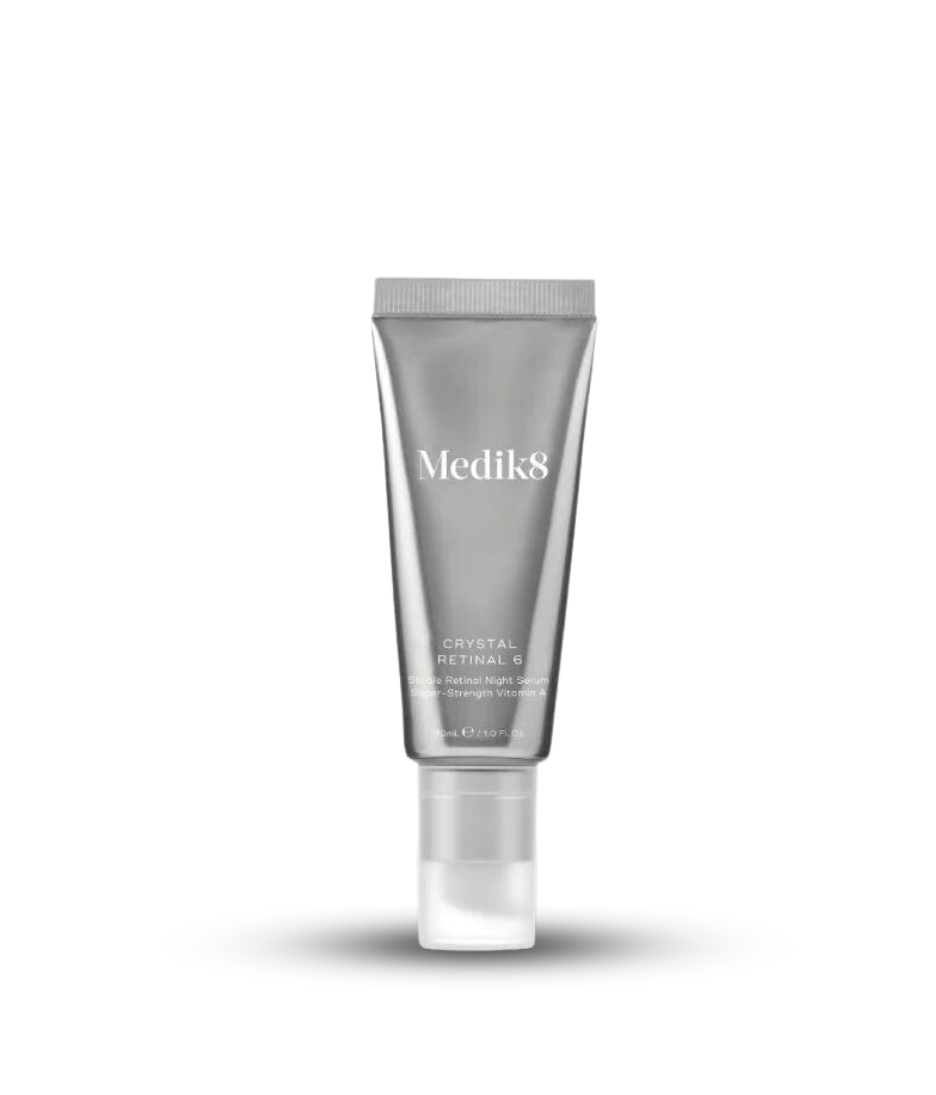
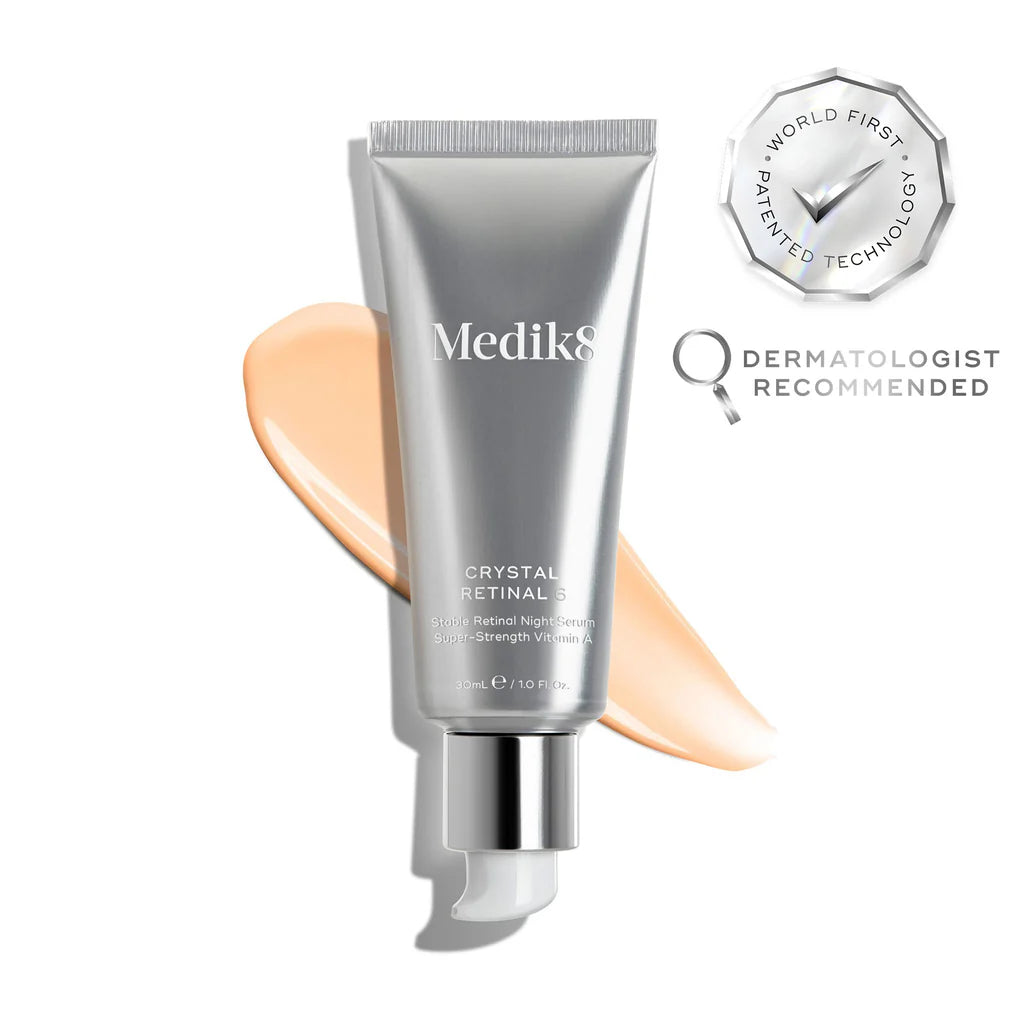
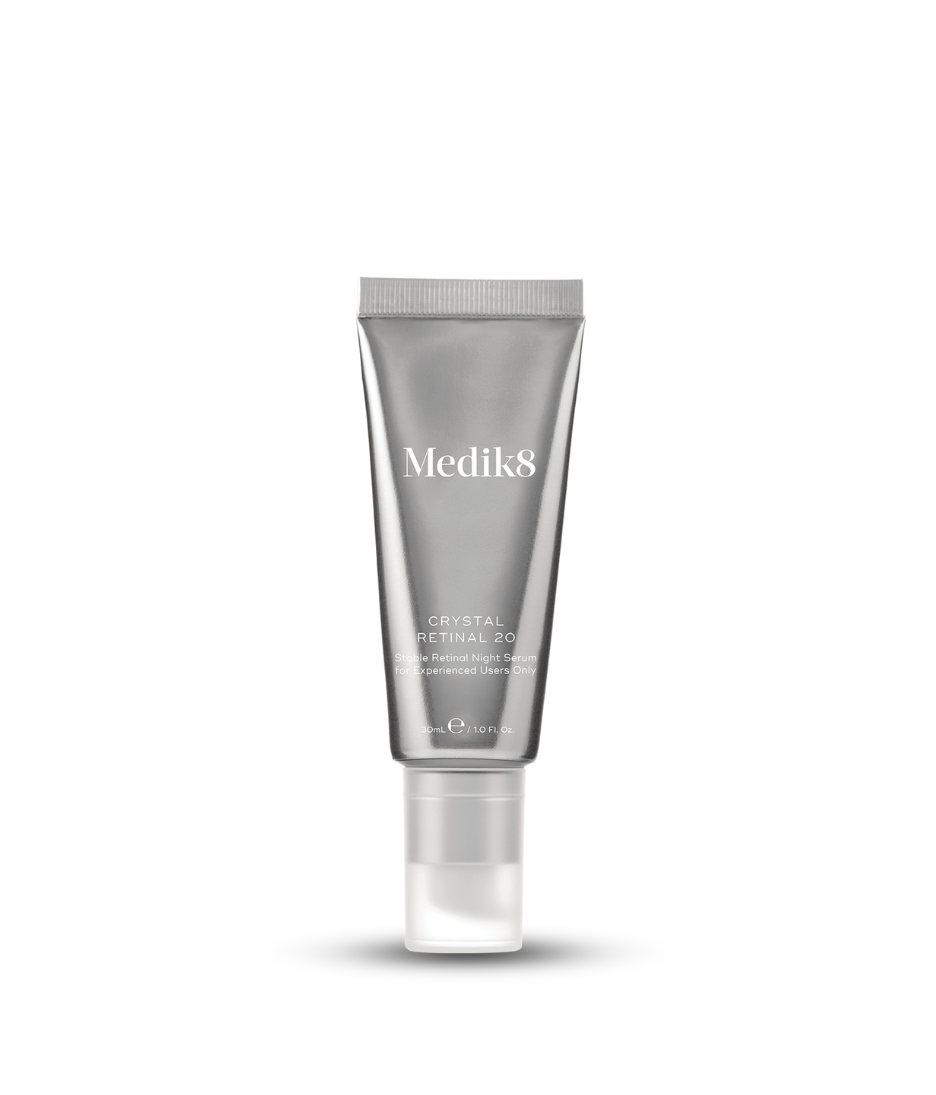
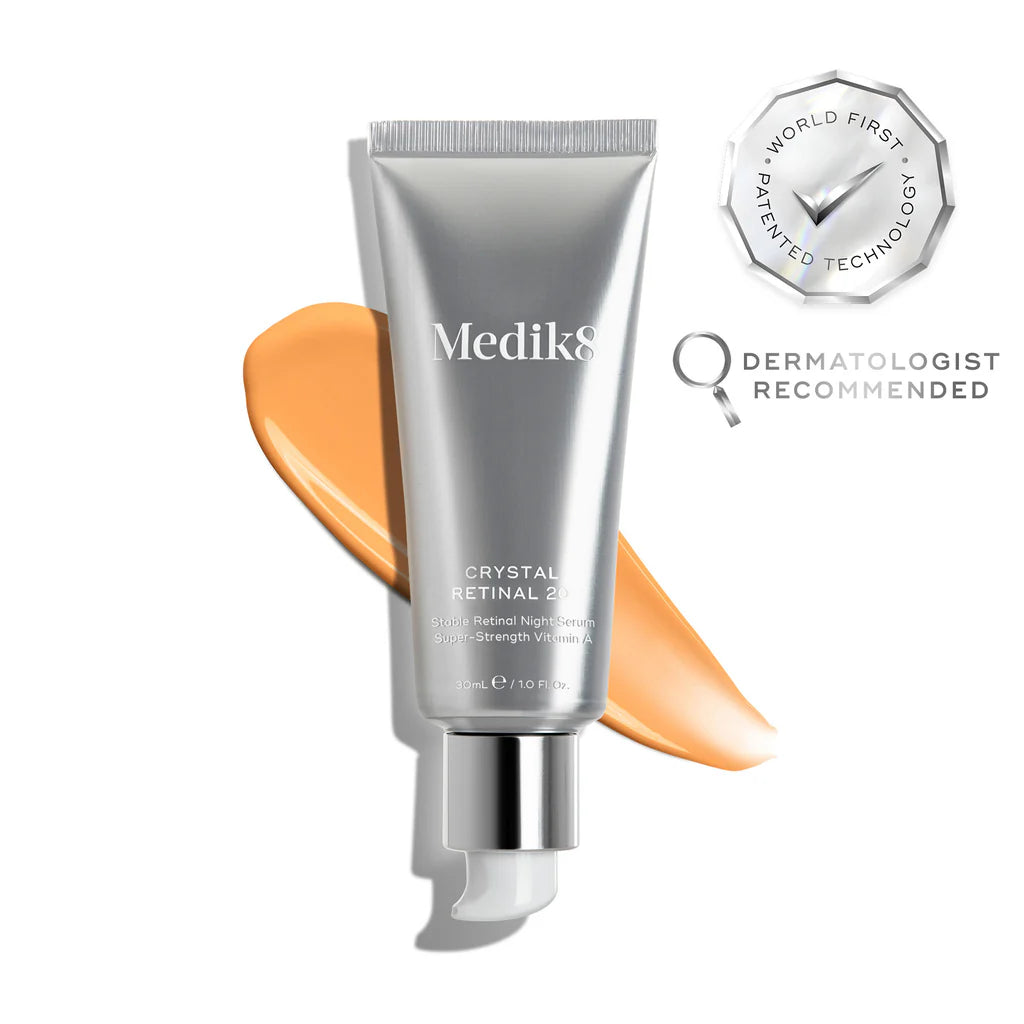
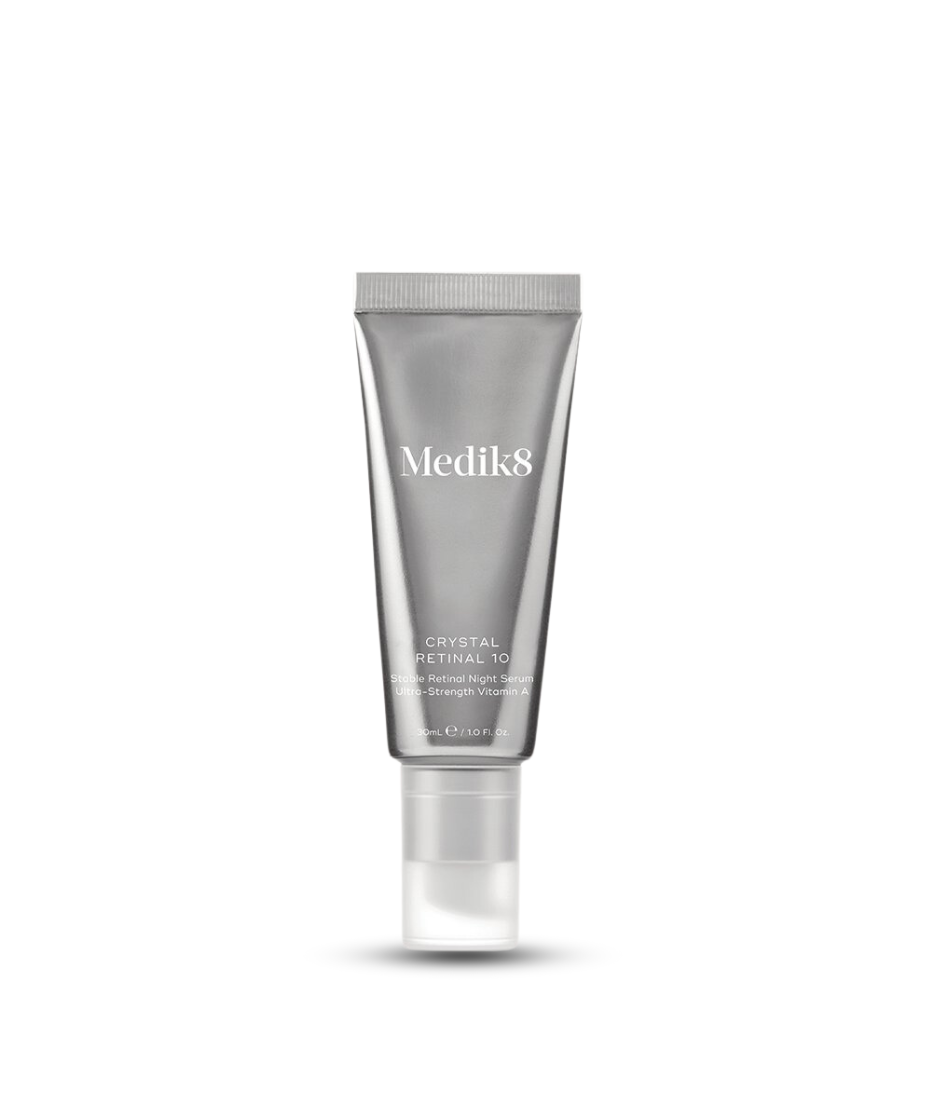
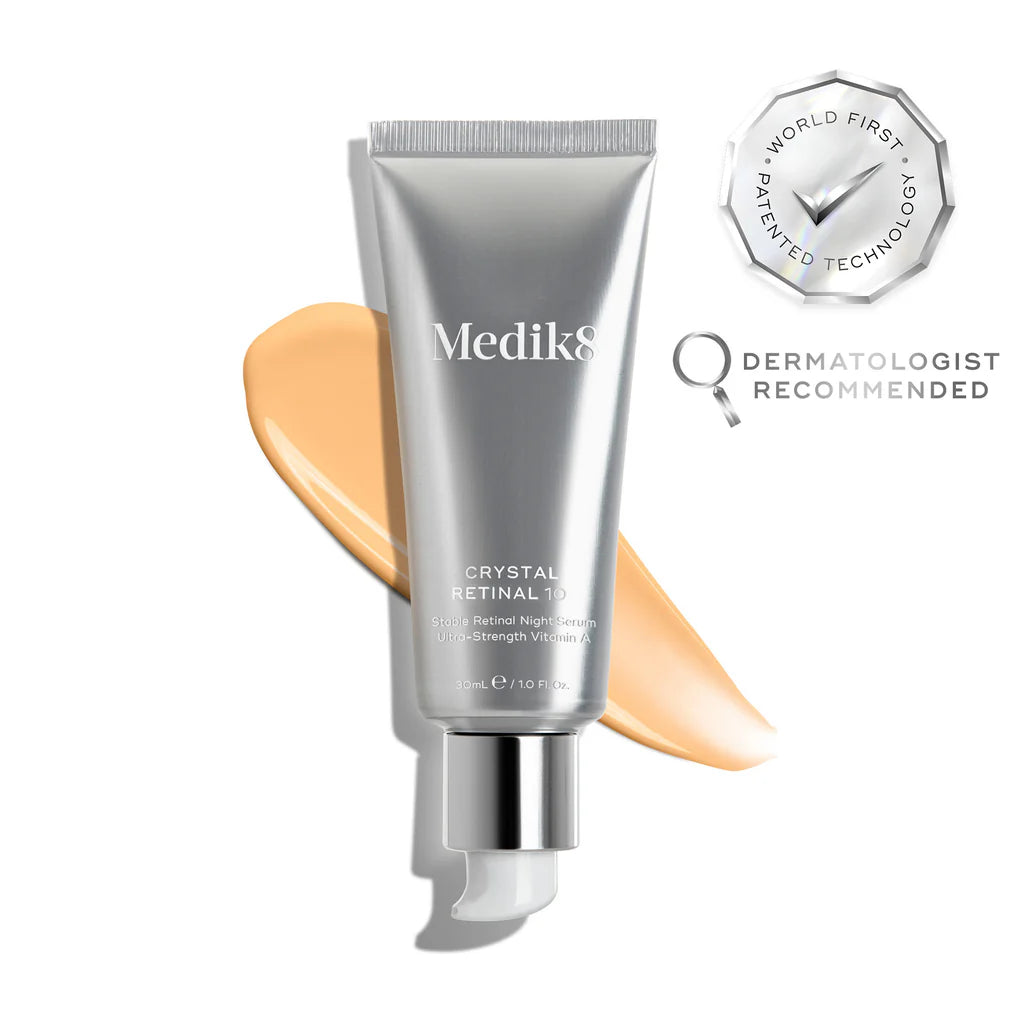
The Medik8 Crystal Retinal range is the one we recommend most consistently in clinic and the one I personally reach for. Crystal Retinal uses retinaldehyde rather than retinol. Retinaldehyde is one conversion step closer to retinoic acid than retinol, which means it's more potent and works faster, up to eleven times faster than standard retinol, but because of how Medik8 has stabilised and encapsulated it, the results come with significantly less irritation than you'd expect.

The range goes from Crystal Retinal 1 for beginners through to Crystal Retinal 20 for experienced users. In summer, if you're already on Crystal Retinal 6 or above, dropping back one level while maintaining frequency is a sensible adjustment. You keep the results without pushing the skin harder than necessary when it has additional UV stress to manage.

The Medik8 Crystal Retinal range


For those who want retinol with built-in gentleness

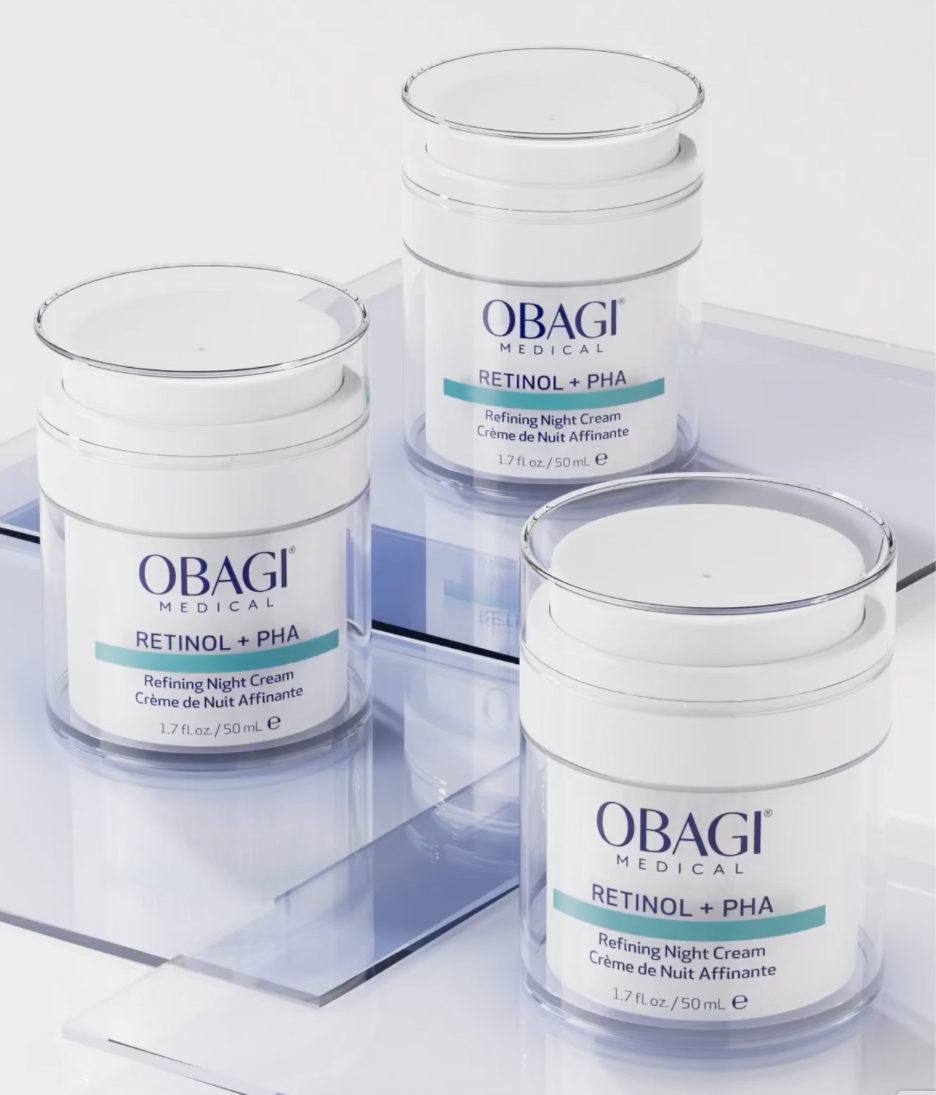
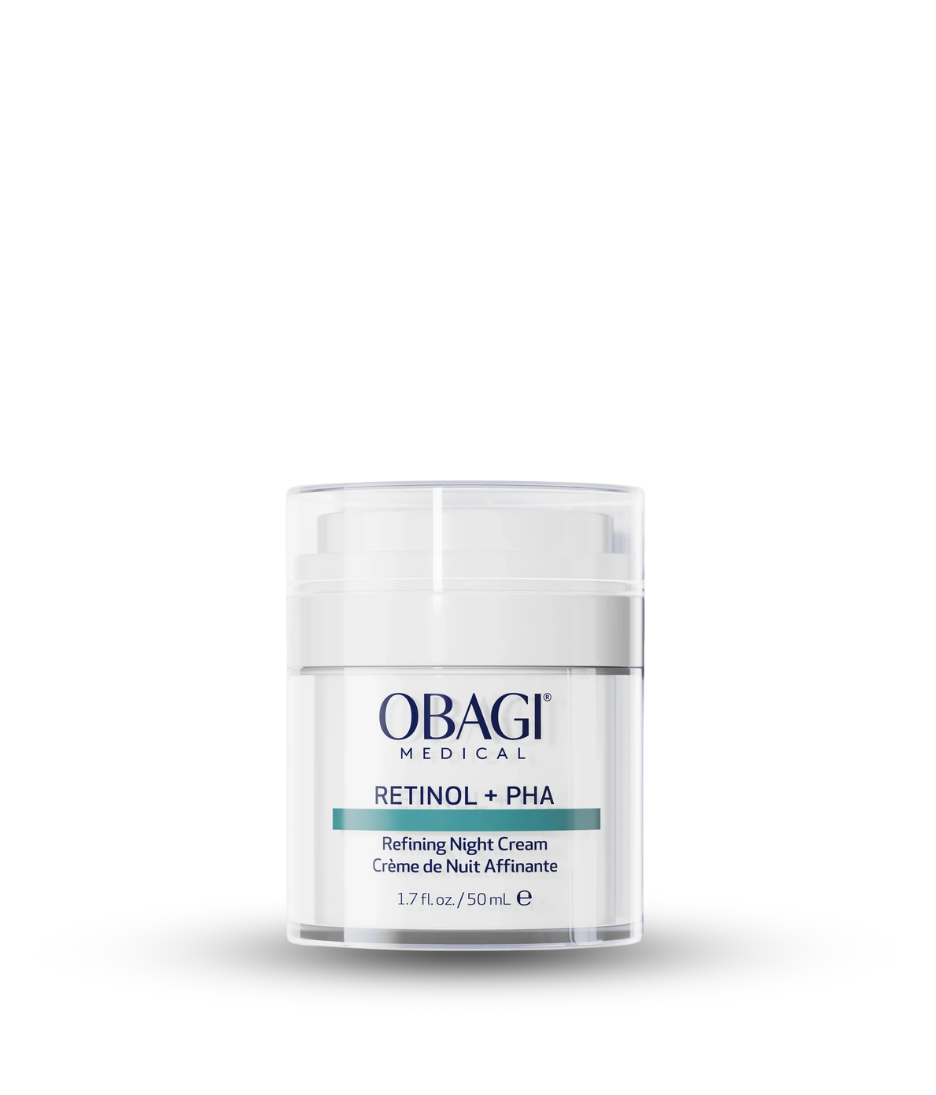
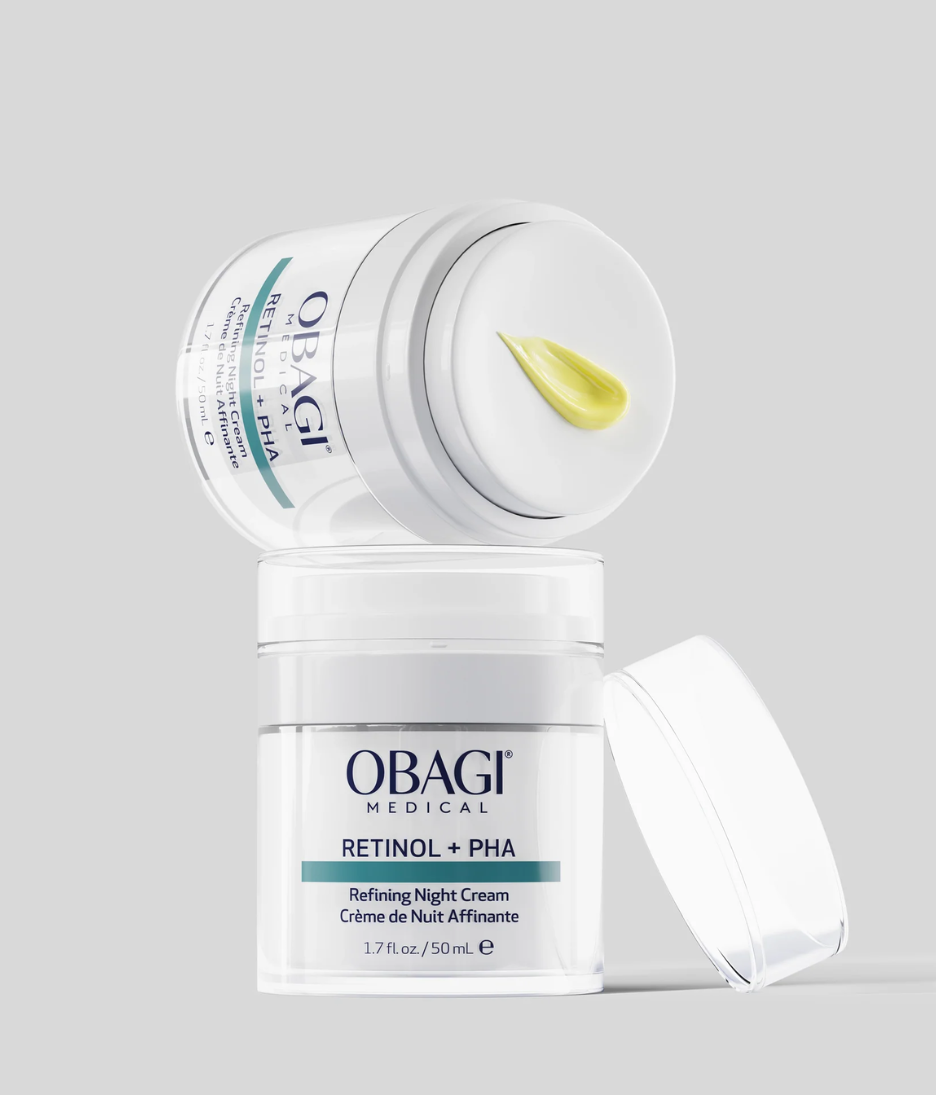
The Obagi Retinol + PHA Refining Night Cream uses slow-release encapsulated retinol alongside gluconolactone, a PHA that exfoliates very gently at the surface while the retinol does the deeper work. Because PHA molecules are larger than AHA they don't penetrate as deeply and cause much less irritation. Clinically proven to improve skin smoothness and tone in four weeks and well-tolerated by the skin. A strong summer option for anyone who wants results without pushing the skin harder than it can handle.


alpharet_overnight.png

For the most advanced option

The Skinbetter Science AlphaRet Overnight Cream is in a different category. It combines a retinoid with lactic acid using Skinbetter's patented AlphaRet technology, which significantly improves the appearance of photo-damaged skin with little to no irritation. The reason it's particularly well-suited to summer is that the AHA component is built into the same formula as the retinoid, meaning the skin's tolerance and recovery are optimised together rather than managed separately. Significantly improves texture, tone, pigmentation and fine lines used consistently two to three nights a week. Not a beginner product, but if your skin is ready for it, the results are exceptional. You'll probably see real results after just a few weeks of use, and once you start, you'll never want to use anything else! Apologies in advance 🤣

The non-negotiables

The information in this article is intended for general educational purposes only. It is not a substitute for professional medical advice, diagnosis, or treatment. If you have concerns about your skin or are considering any new skincare treatments, please speak to a qualified medical professional. If you'd like to discuss your skincare with us, we're happy to help.