Dry_skin_vs._dehydrated_skin.jpg
Dr. Laura's Guide | July 2026

Dry Skin vs Dehydrated Skin: Why the Difference Matters (And What to Actually Do About It)

The first question I ask patients in clinic is "what would you say your skin type is?"... People mixing up dry skin and dehydration happens pretty much once a day. I have to stop them in their tracks, and do a bit of explaining. This matters because the solution for one doesn't fix the other. People spend months using the wrong products and wondering why their skin still doesn't feel right.

So, I'm here to clear it up!

WHAT YOU NEED TO KNOW

THEY'RE NOT THE SAME THING.

Dry skin is a skin type.

It's genetic, it's ongoing, and it means your skin doesn't produce enough oil. The sebaceous glands aren't doing enough work, so the skin lacks the lipids it needs to maintain a strong barrier. Dry skin tends to feel tight, look dull, and can flake or feel rough to the touch. It's something you're born with and it doesn't go away, though it can be managed well.

Dehydrated skin is a condition.

It can affect any skin type, including oily skin, and it means your skin is lacking water rather than oil. It can come and go depending on season, diet, environment, the products you're using, and lifestyle factors like alcohol, caffeine, air conditioning and travel. Dehydrated skin tends to look dull and feel tight, but it can also be oily at the surface while feeling parched underneath. Fine lines that appear when you smile or press gently on the skin are a common sign. Congestion can actually be a symptom too, because dehydrated skin often overproduces oil to compensate.

Summer specifically is one of the most dehydrating seasons, despite what people assume.
UV exposure, air conditioning, heat, sweating and increased SPF use all deplete the skin's water content. A lot of people find their skin feels worse in summer even when it looks more flushed and alive, and this is usually why.

HOW TO TELL THE DIFFERENCE BETWEEN DRY AND DEHYDRATED SKIN

DrySkin_Tile.png
Dehydration_Tile.png

If your skin has always been dry, if it's tight from the moment you cleanse regardless of the weather, if it doesn't get oily by midday and tends toward flaking, it's likely a dry skin type.

If your skin has changed recently, if it feels tight but also gets oily, if it looks dull and feels uncomfortable but wasn't always like this, if fine lines look more visible than usual, it's more likely to be dehydrated.

The honest answer is that many people have both. Dry skin that's also dehydrated needs to be treated at both levels, with ingredients that replace lipids and ingredients that restore water content.

What to use if your skin is dehydrated

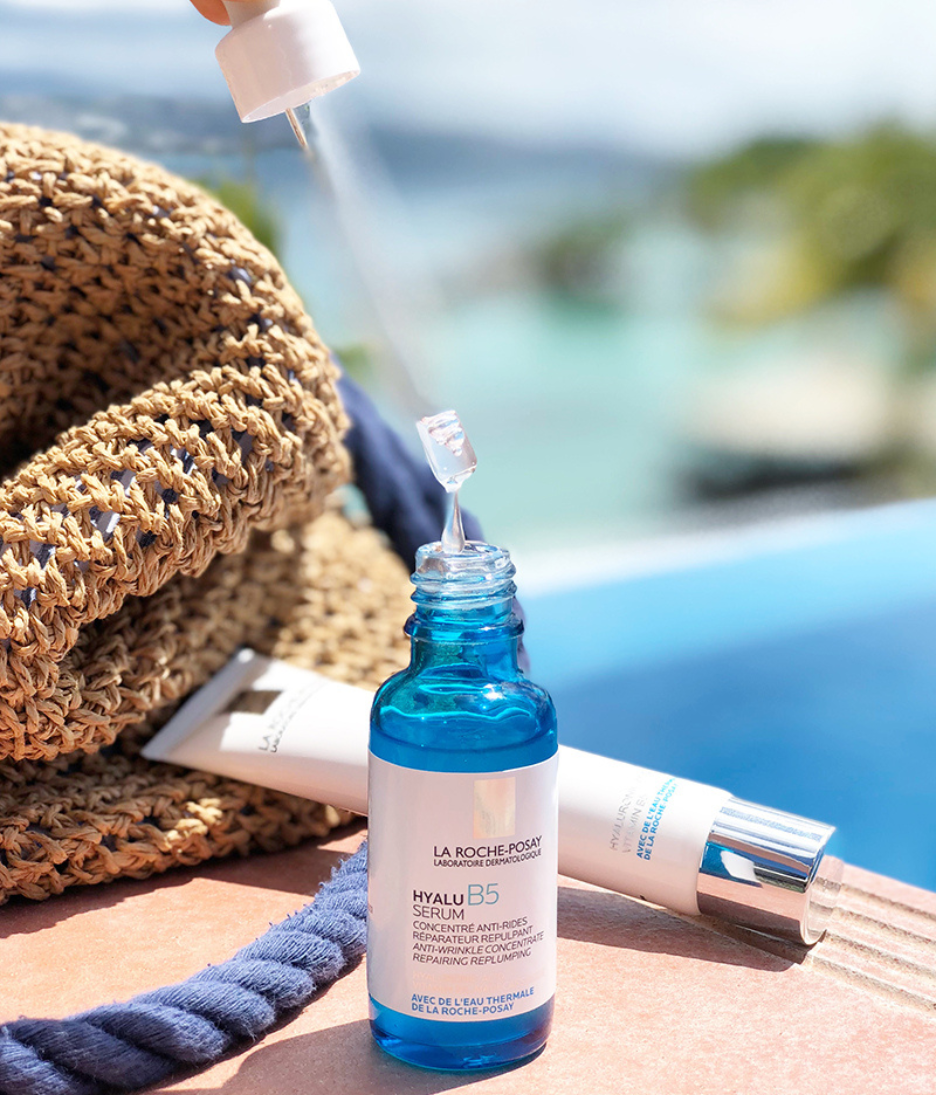
The key ingredient is hyaluronic acid, specifically multi-weight hyaluronic acid that works at different depths in the skin rather than just sitting on the surface.

Apply it to slightly damp skin so it has water to draw in, then layer a moisturiser on top to seal it in.

Without that second step, hyaluronic acid can actually pull moisture from deeper layers of the skin in a dry environment, which makes things worse rather than better.

What to use if your skin is dry

Dry skin needs lipids, ingredients that mimic or replenish the skin's natural oils and reinforce the barrier so it stops losing moisture in the first place.

Hyaluronic acid alone won't cut it. You need a moisturiser with occlusive and emollient ingredients that do the barrier work properly.

Close-up image of a persons back with visible droplets of water on the skin. A circular inset shows a diagram of skin layers with a focus on hydration.

If your skin is both: layer

Serum first, moisturiser second, don't skip either.

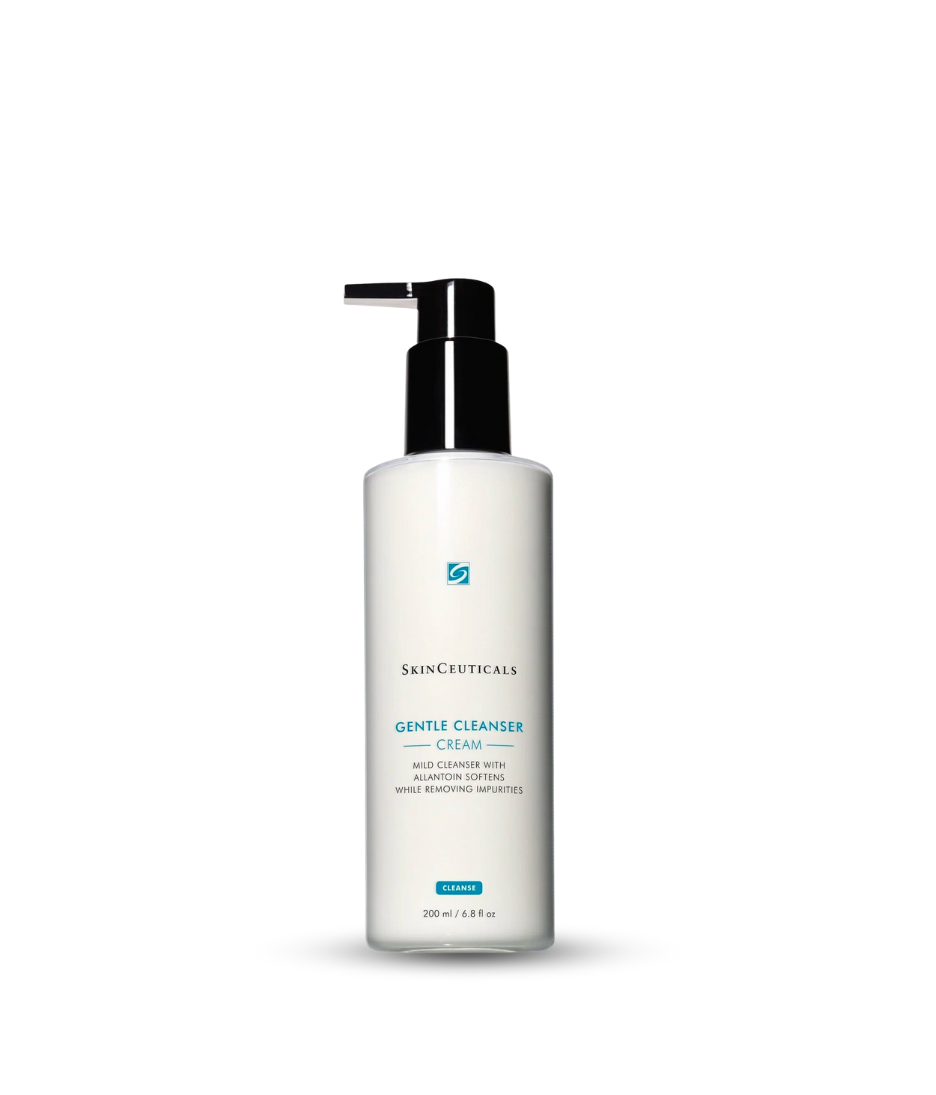
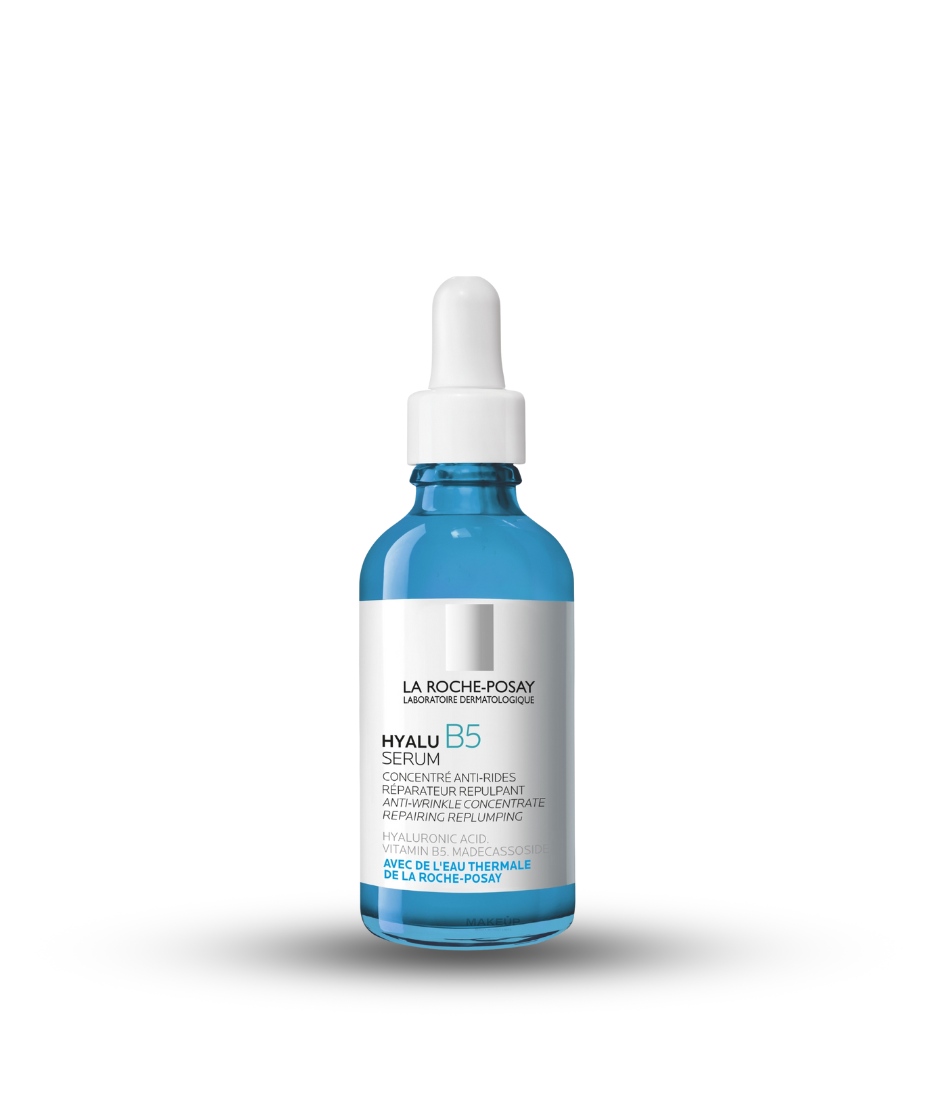
For dry skin that's also dehydrated, the LRP Hyalu B5 or SkinCeuticals HA Intensifier under the SkinCeuticals Triple Lipid Restore or Mimetique Skin Restore covers both problems properly.

The serum addresses the water deficit. The moisturiser addresses the lipid deficit and seals everything in.

If your skin still needs more...

Whether you have a dry skin type, or your skin is feeling dehydrated, a face mask is a great way to treat both.

The SkinCeuticals Hydrating B5 Masque is my in-clinic recommendation when the skin tips into dehydration. An intensive hyaluronic acid and vitamin B5 mask, apply it, leave for ten minutes, remove. Use it once or twice a week when your skin feels particularly depleted, after a flight, after a weekend of sun and alcohol, after heavy SPF use. It resets moisture levels in a single use and the results are visible the next morning.

Shop SkinCeuticals Hydrating B5 Masque →

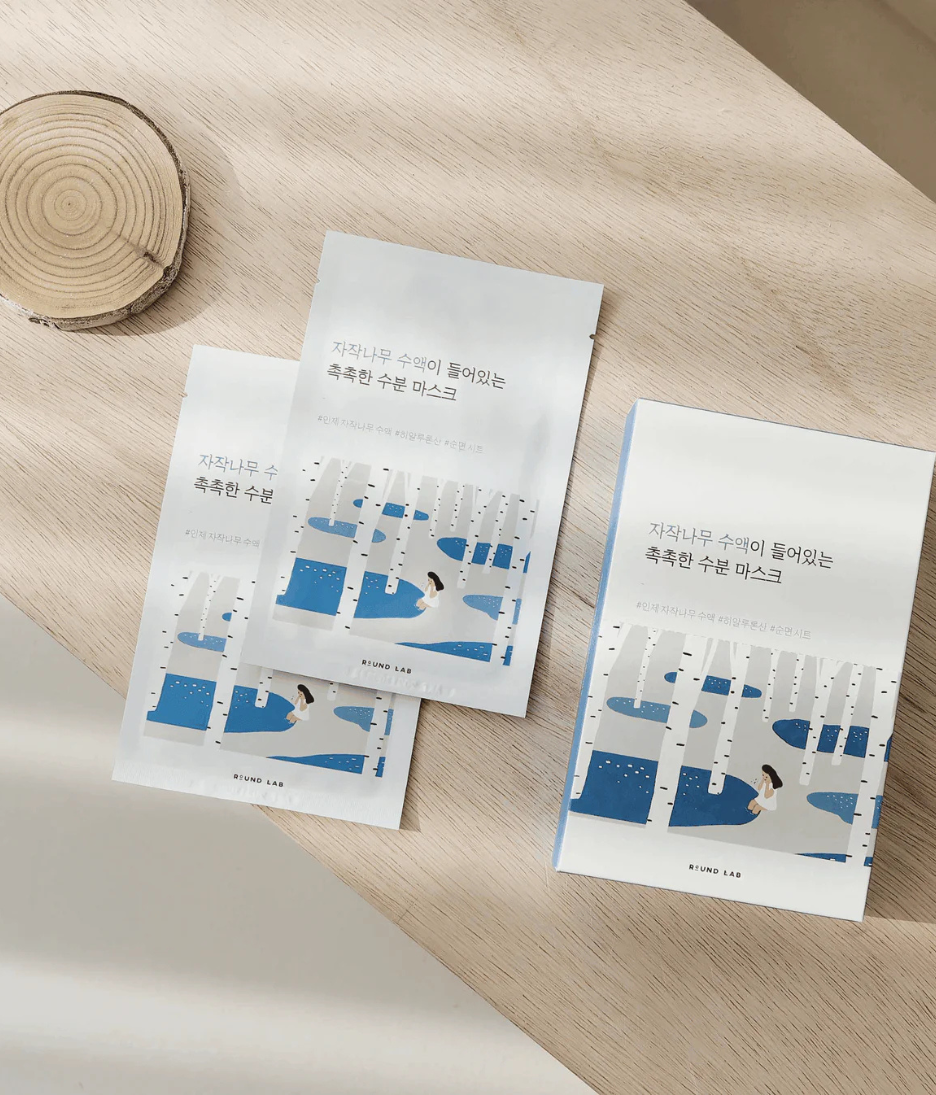
The Round Lab Birch Moisturising Sheet Mask is the more everyday version of the same idea. It's deeply hydrating, completely calming, and the kind of thing that makes your skin look noticeably better the next morning without any faff. I'm bought these to Thailand with me, they're a perfect mid-trip skin reset, particularly after days of sun, heat and SPF.

Shop Round Lab Birch Moisturising Sheet Mask →

knowledge is power

You can't effectively treat a skin concern/type until you know what it is.

Understanding the difference between a dry skin type and dehydrated skin as a skin concern can help you achieve the reuslts you want.

It's common for skin to change depending on a range of factors. Dry skin can become oily over time due to hormones/ageing, and vice versa.

Oily skin can become dehydrated. Dry skin can also become dehydrated.

Keep an eye out for signs of change in your skin and adapt/treat accordingly. If you're ever unsure, schedule a Skin Consultation with a member of the PHARE/Dr. Laura Clinic team and we'll help you find the right skincare for you.

Book a PHARE consultation

The information in this article is intended for general educational purposes only. It is not a substitute for professional medical advice, diagnosis, or treatment. If you have concerns about your skin, please speak to a qualified medical professional. If you'd like to discuss your skincare with us, we're happy to help.