

The short answer is that your prescription does the heavy lifting, but what you put around it matters more than most people realise.
The wrong cleanser can make tretinoin unbearable. The wrong moisturiser on Roaccutane and your skin will be in bits. And in clinic, we always work with a combination approach alongside whatever's been prescribed; gentle, barrier-supporting basics, niacinamide as a near-universal add-in, and azelaic acid where it's appropriate. The prescription and the routine work together. Neither one replaces the other.
So let's go through each treatment type.

Dr. Laura's Guide
You've Been Prescribed Acne Medication: Here's What to Use Alongside It
Getting a prescription for acne is a big step, and for a lot of patients it's one that's taken a while to get to. Whether you've just left a GP appointment with tretinoin, or you're starting Roaccutane, or you've been put on spironolactone and you're wondering what your routine should look like now ...
This is the article I wish existed when patients ask me that follow-up question: so what do I do with everything else?
If you've been prescribed a topical retinoid (tretinoin, Differin, Treclin)


Topical retinoids are the most evidence-backed treatment we have for acne. They work, but they come with an adjustment period that often looks like dryness, flaking, and sometimes an initial purge where things look worse before they improve. This is normal and expected. It doesn't mean it's not working.
The skincare around a topical retinoid should be doing one thing above all else: protecting the barrier while the retinoid does its job.

CLEANSER
Gentle, creamy, and non-stripping. Anything foaming or harsh is going to compound the dryness and make the adjustment period harder than it needs to be. I'd reach for an oil-based cleanser or a cream cleanser, both are good options here. The La Roche-Posay Effaclar H Iso-Biome Cleansing Cream is one I specifically recommend for patients on prescription retinoids: it's formulated to counteract treatment-related dryness without stripping the skin. The Skingredients PreProbiotic Cleanse is another reliable option.

BEFORE RETINOID: NIACINAMIDE
In clinic, we almost always recommend applying a niacinamide-based product before your retinoid rather than going straight in. Niacinamide regulates sebum, reduces redness, supports the skin barrier, and is very well tolerated, which matters when the skin is already adjusting to treatment. It also helps manage the post-acne marks that tend to linger after breakouts clear. The La Roche-Posay Mela B3 Serum, Medik8 Niacinamide Peptides, and SkinCeuticals Metacell Renewal B3 are all options we use and trust. Apply one of these first, let it absorb, then apply your retinoid on top.

MOISTURISER
Essential, and it needs to be applied every night. The La Roche-Posay Effaclar H Isobiome Moisturising Cream is made for exactly this situation; blemish-prone skin under active treatment. It's nourishing without being heavy and won't congest. For patients who need something more reparative, we also use the La Roche-Posay Hyalu B5 Suractivated Cream and the IS Clinical Reparative Moisture Emulsion in clinic, both of which are worth knowing about if your skin is particularly reactive.
If your skin is very sensitive to the retinoid, you can try buffering; apply your moisturiser first, wait a few minutes, then apply the retinoid on top. It reduces irritation without significantly reducing efficacy.
What to avoid: while you're adjusting, step back from anything else that exfoliates: salicylic acid, glycolic acid, AHAs. These can be reintroduced once your skin has settled, but in the early weeks they're likely to tip an already sensitised skin over the edge.


SPF: non-negotiable, every morning. Topical retinoids increase photosensitivity, and any post-acne pigmentation will get significantly worse with UV exposure. We stock a range of Korean SPFs that work particularly well for acne-prone skin: lightweight, no white cast, genuinely non-comedogenic.
If you've been prescribed Roaccutane (isotretinoin)


Roaccutane is the most effective treatment we have for severe or persistent acne, and for the right patient it can be genuinely life-changing. But it's also the most demanding on the skin. Isotretinoin works by dramatically reducing sebum production (which is exactly what clears the acne) but it means your skin becomes very dry, sometimes uncomfortably so.
Skincare on Roaccutane is almost entirely about moisture and barrier support. This is not the time for actives.
CLEANSER
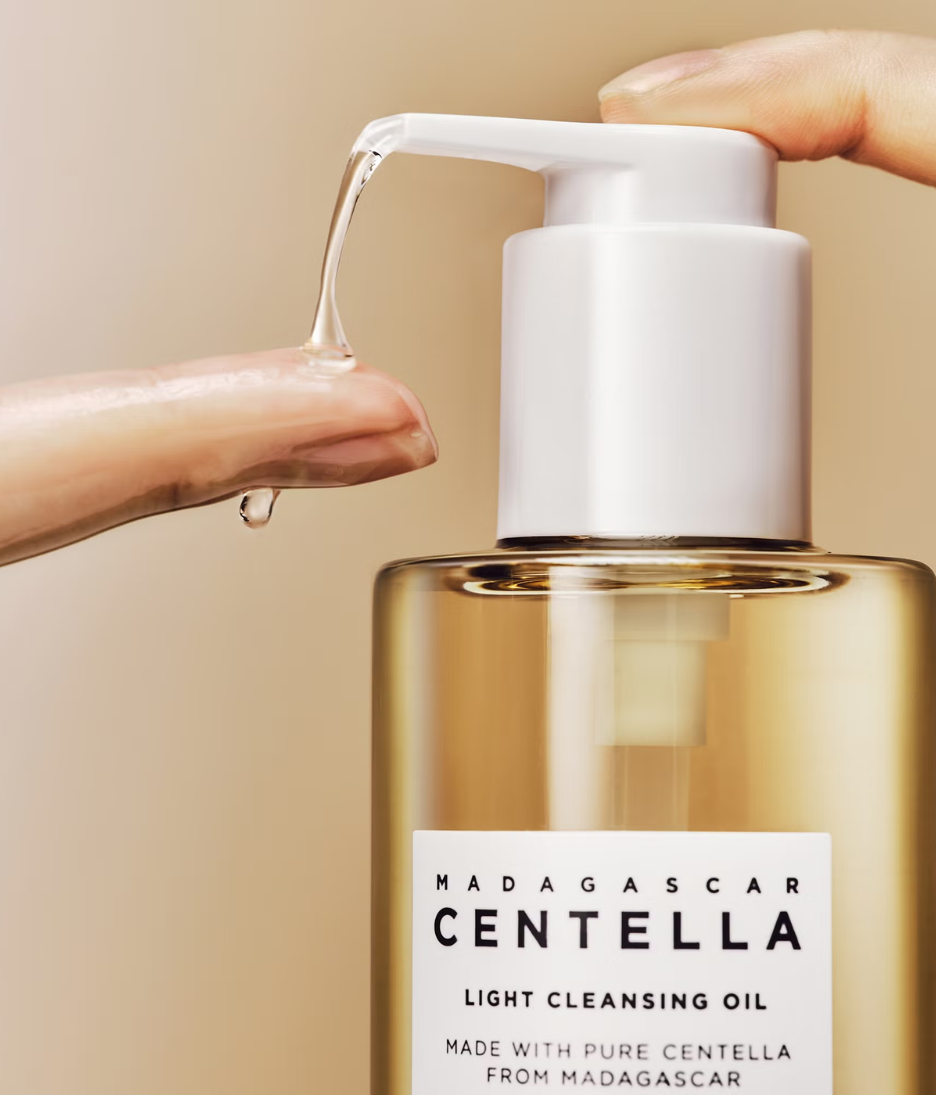
The gentlest thing you can find. Oil-based cleansers and cream cleansers are both good options. They clean without stripping, which is exactly what you need.

MOISTURISER
Apply generously and apply often. Your skin's ability to retain moisture is significantly reduced on isotretinoin, and a rich, barrier-supporting moisturiser used morning and night makes a real difference to how tolerable the treatment is. We have a curated selection of moisturisers that work well on Roaccutane nothing comedogenic, nothing fragranced.

LIPS
Roaccutane almost always affects the lips, and this is something I remind every patient about. Use a good lip balm frequently throughout the day... not just when they feel dry, but as a regular habit. The Albus & Flora Lip Balm and La Roche-Posay Cicaplast Lèvres are both ones we recommend in clinic. One thing that's easy to overlook: your lips also need SPF. A dedicated SPF lip balm, or one of the above applied before sun exposure, is important. Isotretinoin increases photosensitivity and the lips are often forgotten.
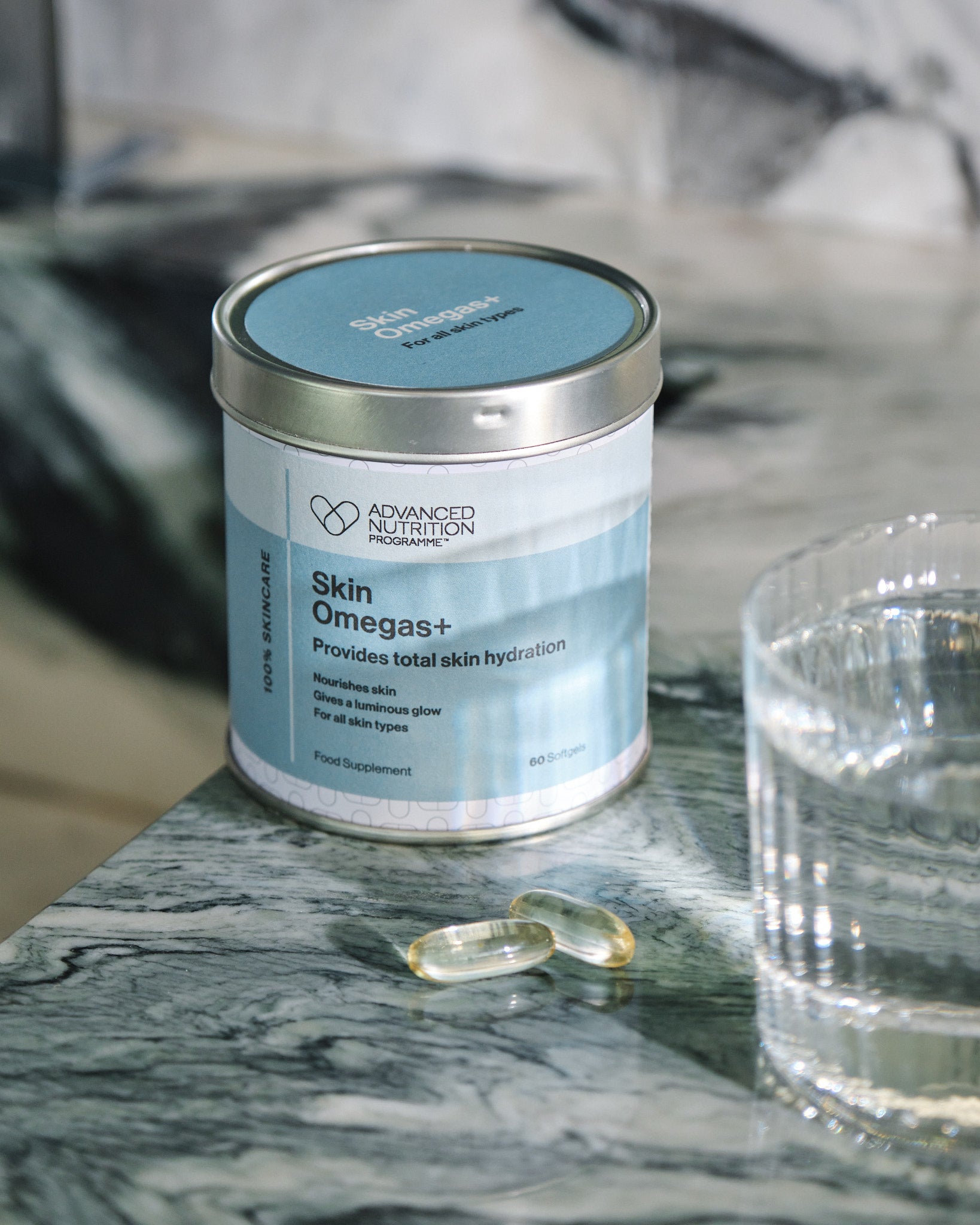
Supplements: we recommend Skin Omegas+ from Advanced Nutrition Programme for patients on isotretinoin. Some evidence suggests omega fatty acids help support skin dryness during treatment. It's not a dramatic fix, but it's a useful add-in. If you're on blood-thinning medication or have allergies, check with us before starting.
SPF: every morning, including on overcast days. An absolute non-negotiable.

If you've been prescribed a topical antibiotic:
Topical antibiotics like clindamycin are usually prescribed alongside something else often benzoyl peroxide or a retinoid, to reduce the risk of antibiotic resistance developing. If you've been prescribed clindamycin on its own, it's worth checking back with whoever prescribed it about whether something else should be used alongside it.
The skincare approach here is less restrictive than with retinoids or Roaccutane, and our combination approach still applies. Niacinamide is a good companion, it supports the barrier, reduces redness, and helps with the post-acne marks that clindamycin alone won't address. In clinic, we often pair topical antibiotics with azelaic acid as well, which is antibacterial, anti-inflammatory, and helps with pigmentation. It's a useful combination.


Cleanser: gentle and consistent. Cream or oil-based.
Niacinamide: apply before any prescription topical, as described above.
Moisturiser: lightweight and non-comedogenic. The La Roche-Posay Effaclar H Isobiome Moisturising Cream works well, as does the Repair Barrier Repair Cream from Doctrine if you want something a bit more luxurious.
What to be careful about: if you're using benzoyl peroxide alongside clindamycin, apply them at different times of day to reduce irritation. And as always, introduce any new products slowly, even gentle ones, and watch how your skin responds.
SPF: daily, every morning. (Notice a trend here?)
If you're on spironolactone or the pill for acne
Spironolactone works by blocking androgen receptors, which makes it particularly effective for hormonal acne (the cyclical, jaw-heavy kind). Certain contraceptive pills work similarly. These treatments don't typically cause the skin sensitivity that comes with retinoids or Roaccutane, which means there's more room to work with your routine.
That said, hormonal treatment on its own rarely gets the best results. In clinic, we almost always combine it with a prescription topical, whether that's a retinoid, an antibiotic, or something else tailored to your skin. If you're on spironolactone or the pill for acne and you're only using over-the-counter skincare alongside it, it's worth coming in to talk about what else could be doing more.
Our combination approach still applies here: a gentle cleanser, niacinamide before any actives, a good moisturiser, and SPF every morning without exception. Niacinamide and azelaic acid both complement what hormonal treatment is doing; they're managing the surface while the medication works internally.
One thing I always say to patients on spironolactone: it takes time.
Most people don't see significant improvement for three to six months. The temptation to add more products or change things up when results aren't immediate is understandable, but resist it where you can. Give the medication time to work, and let us know at your next appointment if things aren't moving in the right direction.
SPF: daily. Post-inflammatory pigmentation from hormonal acne can be stubborn, and UV exposure makes it significantly worse.
The things that stay the same regardless of what you've been prescribed
A gentle cleanser. Niacinamide before your actives. A barrier-supporting moisturiser. SPF every morning. These apply across the board, no matter what's in your prescription bag, and they're the foundation that makes everything else work better.

What changes is how careful you need to be about everything else.
On Roaccutane, it's almost nothing additional; on a topical retinoid, reintroduce things slowly once you've adjusted; on antibiotics or hormonal treatment, there's more room to layer, but still pay attention to how your skin responds.
And in clinic, we always work with you on this. Getting a prescription is the beginning of the process, not the end of it, and getting the routine right around it is part of how we get the best results.
EXPERIENCING ADULT ACNE?
You might have stumbled across this article because you've just developed adult acne. It's more common than you think.
Step 1? Read my recent blog on Why you have adult acne, and what actually works.
Step 2? Come to see me in clinic. I work with acne patients every single day, and help them transform their skin with everything from prescriptions to tailored skincare and in-clinic treatments.
Book a consultation with Dr. Laura
The information in this article is intended for general educational purposes only. It is not a substitute for professional medical advice, diagnosis, or treatment. Always speak to your GP or the doctor who prescribed your medication before making changes to your routine or treatment plan. If you'd like to discuss your skin or your prescription with us directly, we're happy to help.


