Keratosis_Pilaris.jpg
DR. LAURA'S GUIDE

How To Get Rid Of Chicken Skin: What Keratosis Pilaris Actually Is And What Helps

If you've got tiny rough bumps on the backs of your arms, the fronts of your thighs, or sometimes your cheeks and your bum, you've almost certainly got keratosis pilaris. 

Most people call it chicken skin or strawberry skin, and think "that's just my skin". KP is one of the most common skin conditions in the world. Roughly half of all adults and up to 80% of teenagers have it. You are not alone, and there is nothing to be ashamed of.


But it can be managed, and the bumps can be smoothed considerably, if you understand what's actually happening and treat it correctly. So, I'm here to help!

WHAT IS KERATOSIS PILARIS?

Keratosis pilaris is a build-up of keratin (the protein that makes up the outer layer of your skin) inside the hair follicle. Instead of the dead skin cells shedding the way they're meant to, they form a tiny plug that traps the hair beneath it. That's the bump. Multiply it by hundreds and you've got the rough, sandpapery feel that gives the condition its nickname.


The bumps tend to appear on the backs of the upper arms, the fronts of the thighs, occasionally on the buttocks, and sometimes on the cheeks (the facial version is often confused with acne, but it isn't). Some people get a redness around the bumps too, which is the inflammation associated with the trapped follicle. That's the strawberry skin variant.


It's not contagious. It's not a sign of poor hygiene. It's not because you've done something wrong with your skincare. It runs in families and it tends to be worse in people with dry skin, eczema, or asthma.

Body_Skincare.jpg

WHAT CAUSES KERATOSIS PILARIS?

The honest answer is we don't fully know. We know it's genetic. We know it's linked to dry skin and atopic conditions. We know the keratin plug is the immediate cause. But the underlying reason that some people's keratin sheds normally and other people's gets stuck remains an active research area.


What we do know is that it tends to flare up in winter when the air is dry, settles down in summer when the skin is more hydrated, and is often worse in adolescence than in adulthood. Many people find their KP improves significantly in their thirties and forties, though it rarely disappears completely.

Back_Skin_Care.jpg

WHY YOU CAN'T REALLY CURE IT

This is the bit I wish more people understood. Keratosis pilaris is a chronic condition. There is no overnight fix, no single product that will clear it permanently, and no laser treatment that will make it never come back. If anyone tells you otherwise, they're selling you something.

What you can do is manage it. With consistent treatment, the bumps soften, the rough texture smooths out, the redness fades, and the skin looks and feels significantly better. Stop the routine and the bumps come back. Start it again and they smooth out again. Think of it more like dry skin or acne, something you manage with an ongoing routine rather than something you fix once and forget.

The patients who manage their KP best are the ones who accept this and build a sustainable routine they can maintain. The ones who chase miracle cures spend years frustrated.

WHAT ACTUALLY HELPS KERATOSIS PILARIS?

EXFOLIATE THE DEAD SKIN AWAY

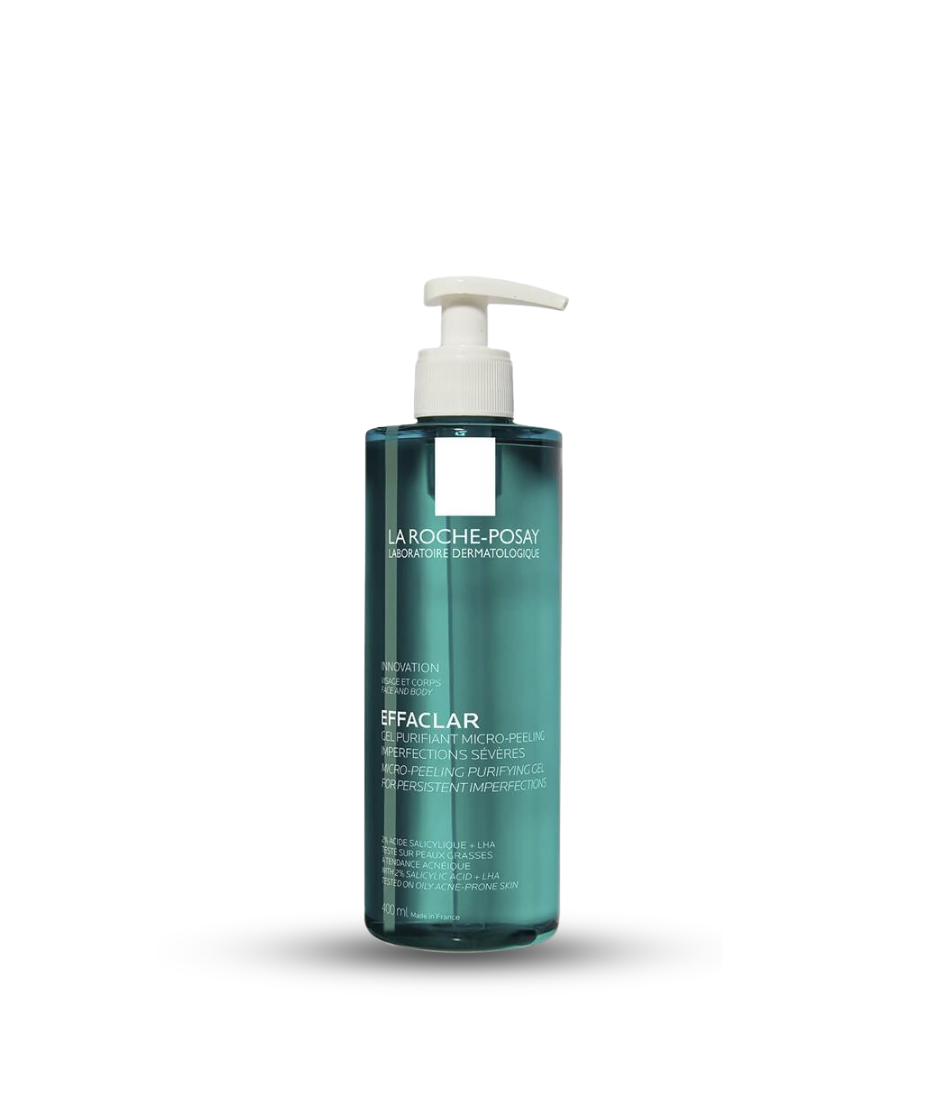
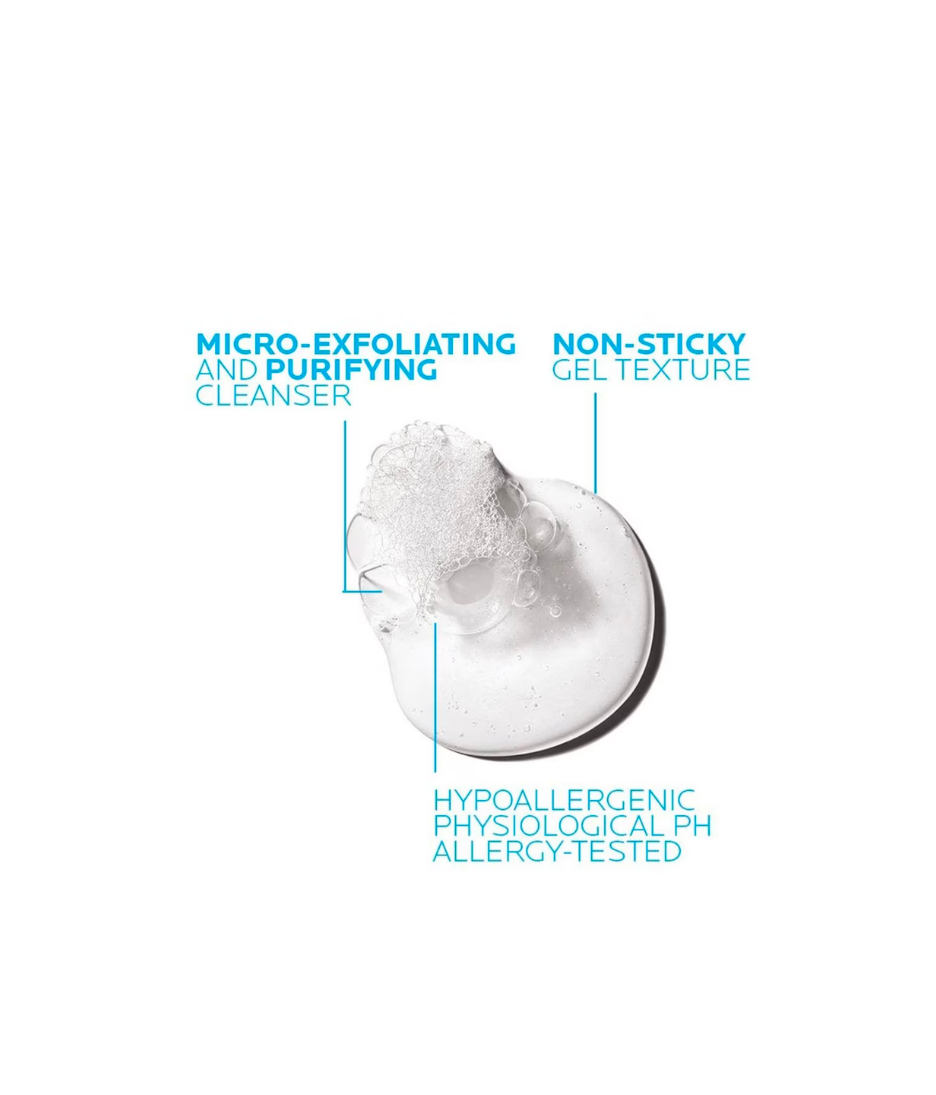
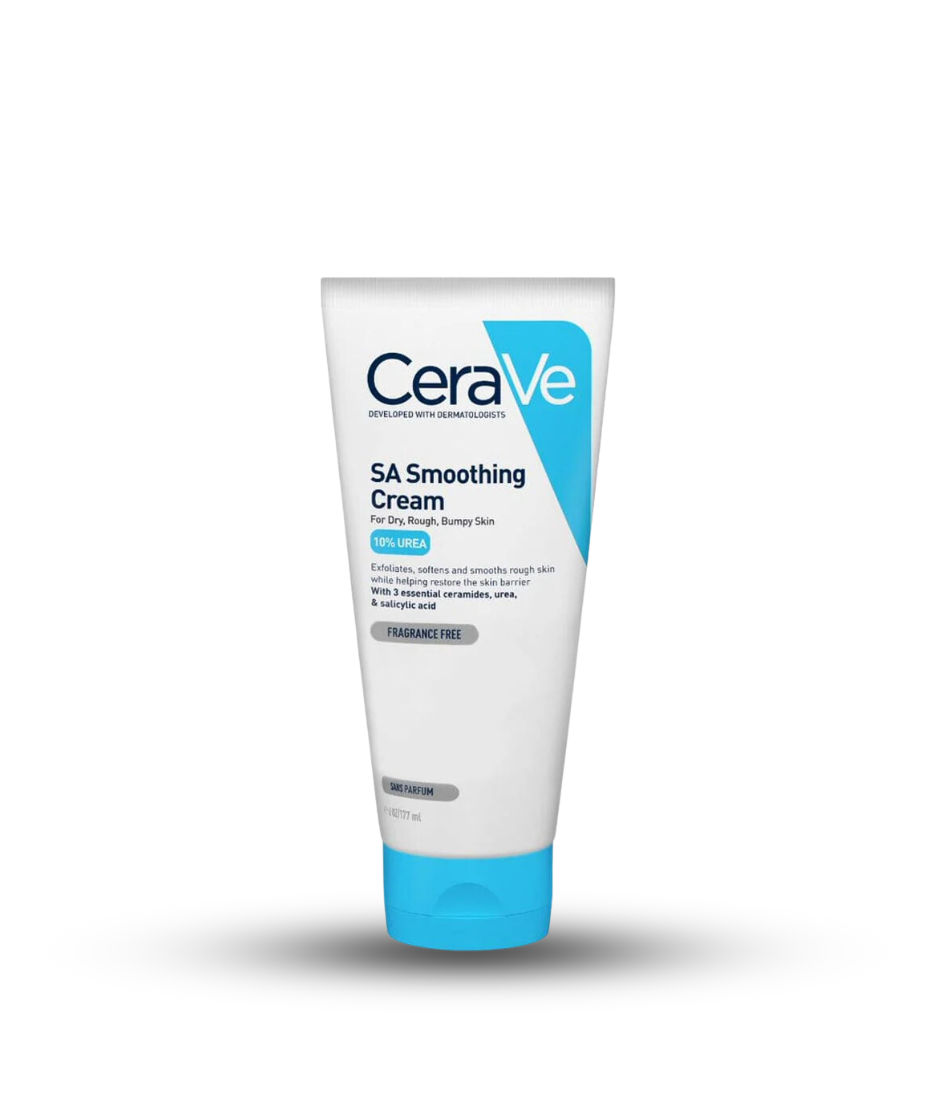
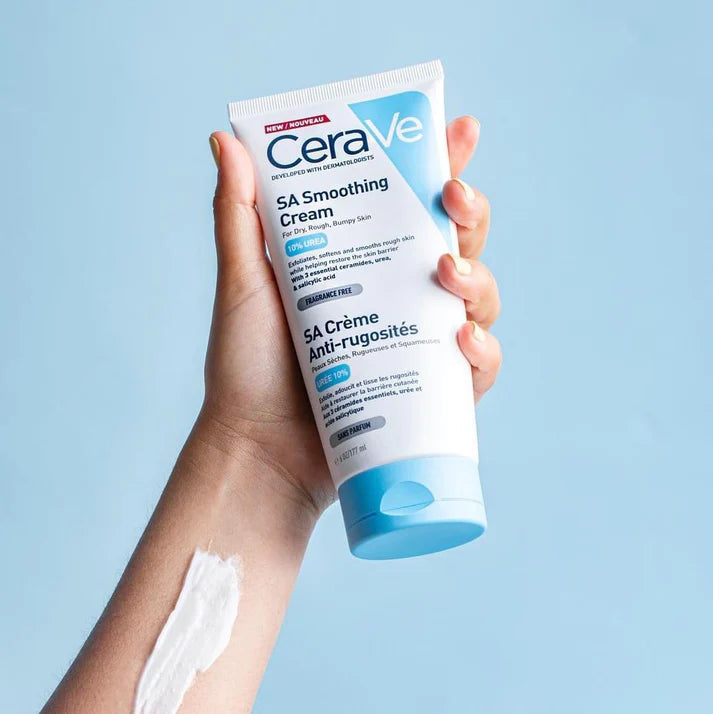
Because the problem is a plug of keratin trapping the hair, the most useful thing you can do is gently dissolve that plug. Chemical exfoliation works much better than physical scrubs for this. Lactic acid, glycolic acid, and salicylic acid are all good options. Urea is another standout, it both exfoliates and hydrates at the same time, which suits KP especially well. A daily or every-other-day body lotion with one of these actives is the foundation of any good KP routine.


Avoid the temptation to use a harsh body scrub. Physical scrubbing can irritate the skin, increase the inflammation around the bumps, and make the redness worse. Gentle and consistent beats aggressive every time.

That's the whole foundation. Three habits, done consistently. Most people who follow this routine for two to three months see meaningful improvement.

clinic_consultation.jpg

WHEN TO SEE A DOCTOR

KP itself is harmless and doesn't need medical attention. But if you've been using a good routine consistently for three months and you're not seeing any improvement, or if the redness is significant and bothering you, or if the facial form is causing distress, that's when it's worth talking to someone.

Prescription options exist. Topical retinoids can help the keratin shed more efficiently. Stronger urea preparations are available through a prescription. For severe cases or where pigmentation has developed around the bumps, in-clinic treatments like chemical peels or laser therapy can help. None of these replace the foundation routine, but they can accelerate the result for people who need more.

If you've also got significant dryness, eczema, or atopic skin generally, that's worth addressing alongside the KP, because they all feed each other.

WHAT TO EXPECT?

Two weeks of a good routine and you'll feel the texture improve. The bumps don't disappear but the skin feels smoother to the touch. Six to eight weeks and the bumps are visibly softer and less prominent. Three months in and the redness has usually settled and the rough feel is properly under control.


Stop the routine and the bumps come back within a few weeks. This is the bit people find frustrating. They get good results, decide they're cured, stop the routine, and the KP returns. Same condition, same treatment, ongoing maintenance. That's the deal with KP.

Keratosis pilaris is a common, harmless, genetic skin condition. It can't be cured but it can be managed beautifully. The routine is gentle chemical exfoliation, daily hydration, and not stripping the skin in the shower. Three months of consistency and most people see real improvement.


The information in this article is intended for general educational purposes only. It is not a substitute for professional medical advice, diagnosis, or treatment. If you have concerns about your skin or your KP isn't responding to a good routine, please speak to a qualified medical professional. If you'd like to discuss your skincare or treatments with us, we're happy to help.

Book a consultation at Dr. Laura Clinic →