Acne_Tile.png
DR. LAURA'S GUIDE | APR 2026

Adult Acne: Why You Still Have It and What Actually Works

If you're in your 30s or 40s and still breaking out, I want to start by saying something I say to patients in clinic regularly; this is not a hygiene problem, it's not because you're not washing your face properly, and it's not something you just have to live with.

Adult acne is genuinely one of the most common things I see in clinic. It's also one of the most undertreated, because most people assume that what worked (or didn't work) as a teenager is the whole story.

It isn't.

WHY IS ADULT ACNE DIFFERENT TO TEEN ACNE?

Teenage acne is mostly driven by a surge in androgens, hormones that ramp up sebum production and cause the kind of widespread, oily, inflamed breakouts most of us remember. Adult acne tends to be different in character.

It's often hormonal, but more cyclical. It shows up around the jaw, chin and neck more than the forehead. It tends to be deeper, more cystic, and slower to heal. And it often comes with skin that isn't even particularly oily... sometimes it's dry or sensitive at the same time, which makes treating it more complicated.

The triggers are also different.

Stress is a significant one: cortisol increases sebum production and drives inflammation. Hormonal fluctuations around the menstrual cycle, perimenopause, coming off the pill, or post-pregnancy can all shift the skin's behaviour significantly.

Diet plays a role for some people, particularly sugary foods and dairy, though this varies considerably from person to person.

And then there's the products themselves. I see a lot of patients whose skin is actually being irritated or congested by the wrong skincare, which is a conversation in itself.

WHAT DOESNT WORK

Cleanse.jpg
Cleanse.png

1) OVER CLEANSING

I see this constantly. The logic makes sense: if my skin is breaking out, I need to clean it more thoroughly. But stripping the skin of its natural oils triggers a rebound effect where it produces even more sebum to compensate. A gentle, non-stripping cleanser used twice a day is almost always better than anything harsh or foaming used repeatedly.

COSRX_Master_Patch_Basic_Texture.webp
CeraVe_Blemish_Texture1.png

2) SPOT TREATMENTS USED IN ISOLATION

Dabbing something on an existing spot after it appears is managing symptoms, not addressing the cause.

Most of the ingredients that genuinely make a difference work preventatively, so they need to be used consistently across the whole area, not reactively on individual spots.

Hydrate_moisturiser_lifestyle.png
Moisture_Melt_Conditioner_Sea_Solu_2.png

3) Skipping moisturiser

Acne-prone skin still needs hydration.

In fact, a compromised skin barrier (which often accompanies acne) makes inflammation worse. A lightweight, non-comedogenic moisturiser is non-negotiable, not optional.


WHAT ACTUALLY WORKS

There are a handful of ingredients with solid evidence behind them for acne-prone skin, and I want to be honest about what they do and how to use them

SALICYLIC ACID

Salicylic acid is a BHA (beta hydroxy acid) that's oil soluble, which means it can get into the pore and clear out the congestion that causes blackheads and breakouts.

It's anti-inflammatory as well as exfoliating, which makes it particularly useful for acne-prone skin.

I'd use it as a toner or leave-on treatment rather than layering multiple salicylic acid products at once, especially when starting out.

NIACINAMIDE

Niacinamide is one of the ingredients I recommend most consistently for adult acne, partly because it does several things at once:
- Regulates sebum production

- Reduces redness and post-acne marks

- Supports the skin barrier; which is nearly always compromised in acne-prone skin.

It's also very well tolerated, which matters when the skin is already reactive.

AZELAIC ACID

Azelaic acid is underrated and I think it deserves far more attention than it gets.

It's antibacterial, anti-inflammatory, and also targets the pigmentation that acne leaves behind.

Over the counter you'll find it at lower strengths; in clinic we prescribe it at 15% for more significant cases.

It's also one of the few actives that's safe in pregnancy, which makes it particularly useful for a group of patients I see regularly.

RETINOIDS

Retinoids are the most evidence-backed ingredient in dermatology for acne.

They work by increasing cell turnover, preventing the pore blockages that lead to breakouts, and over time they reduce acne scarring and post-inflammatory pigmentation.

I want to be direct here... prescription retinoids like tretinoin or Differin are always going to outperform cosmetic alternatives. That's just the clinical reality.

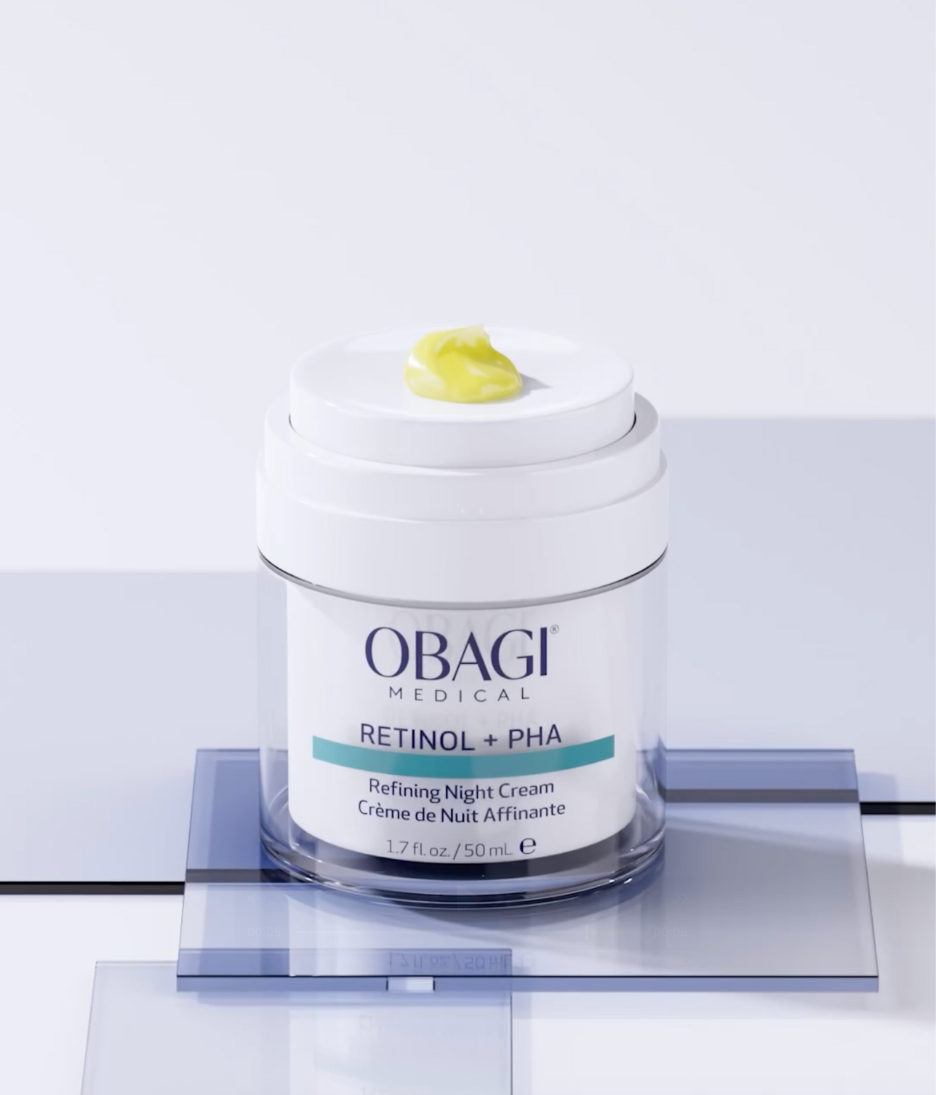
If your acne is moderate or persistent, a prescription retinoid is worth a conversation with your doctor. For over-the-counter options, there are some good ones available. Just be realistic about timelines. It takes 12 weeks or more to see meaningful change, and you'll likely experience some initial purging (worsening of breakouts) before things improve. Start low, go slow, and be consistent.

In clinic, we combine all of these ingredients as part of our acne protocol, adjusted to each patient's skin and the severity of what we're dealing with.


Close-up image of a persons back with visible droplets of water on the skin. A circular inset shows a diagram of skin layers with a focus on hydration.

HORMONAL ACNE

If your breakouts are clearly cyclical (worse in the week before your period, or have changed significantly around perimenopause or after stopping contraception) topical skincare alone may not be enough.

This is worth a conversation with your GP. Certain contraceptive pills and spironolactone can make a significant difference when the root cause is hormonal. Skincare supports the skin, but it can't always override what's happening internally.

As a GP, I prescribe these medications frequently in clinic to help with acne. If you relate to what I'm describing above, I offer in person or online consultations.

Isotretinoin.jpg

roaccutane

For some patients (those with severe, persistent, or scarring acne that hasn't responded to other treatments) Roaccutane (isotretinoin) is genuinely life-changing.

It's not a first-line treatment and it requires careful medical supervision, but in the right patient it's the most effective option we have. It's something we prescribe and manage in clinic, and if you feel like you've tried everything else, it might be worth exploring.

ESSENTIALS IN AN ACNE SKIN CARE ROUTINE

CLEANSER

Resist the urge to use a harsh, stripping acne cleanser. Your skin needs to be cleansed, not punished.

The Skingredients PreProbiotic Cleanse is one I reach for regularly, it's creamy, gentle, and actually supports the skin microbiome rather than disrupting it.

The La Roche-Posay Effaclar H Iso-Biome Cleansing Cream is particularly good if you're using a retinoid or prescription treatment, as it's specifically formulated to counteract the dryness those cause. `


The CeraVe Hydrating Cleanser is a brilliant affordable option for sensitive or reactive skin.

SPF

Non-negotiable, every morning.

Post-inflammatory pigmentation (the marks acne leaves behind) gets significantly worse with UV exposure.

The Tocobo Bio Watery Sun Cream SPF50+ is a favourite for acne-prone skin: genuinely lightweight, no white cast, won't block pores. Mineral SPFs are also great for acne-prone skin and something like FLEX from Colorescience will give you a bit of coverage too.

ONE MORE THING

One more thing. If your acne is anything beyond mild, please see a doctor. Good skincare makes a real difference, but it has limits, and some acne genuinely needs medical treatment to get it under control.

You can book a consultation at Dr. Laura Clinic, or speak to your own GP. Either way, don't just manage it. Deal with it.


Shop acne-friendly skincare →


Coming soon: you've been prescribed acne medication... here's what to use alongside it.


The information in this article is intended for general educational purposes only. It is not a substitute for professional medical advice, diagnosis, or treatment. Always speak to your GP or the doctor who prescribed your medication before making changes to your routine or treatment plan. If you'd like to discuss your skin or your prescription with us directly, we're happy to help.