Skincare_Vile.jpg
DR. LAURA'S GUIDE

The Skin Barrier, the Microbiome and Why It Matters

What healthy skin actually means, and why everything comes back to the barrier. Over the past year, both in clinic and at conferences, there has been a noticeable shift in how we talk about skin health.

Essentially, it all comes back to the skin barrier.

I attended IMCAS (International Master Course on Aging Science) online earlier this year, and a large part of the discussion centred on how we define healthy skin. Not purely in terms of appearance, but in terms of how the skin functions on a daily basis.


That is an important distinction, because when you start to think about skin in that way, the focus naturally moves away from quick fixes and towards long-term stability. If you've ever visited me in clinic, you know I'm all about the long-term results.


At the centre of that is the skin barrier.
CeraVe_AdvancedRepairOintment_Lifestyle-Skin.png

What is the skin barrier and what does it do?

The skin barrier is the outermost layer of the skin, and its role is relatively straightforward. It helps to retain moisture while protecting the skin from external irritants.

Structurally, it is made up of skin cells held together by lipids, including ceramides, cholesterol and fatty acids. When this structure is intact, the skin tends to feel comfortable, hydrated and resilient.

When it becomes disrupted, the change is usually quite noticeable. Skin can start to feel tight, dry or more reactive than usual, even if the products being used have not changed.

Damaged_Skin_Barrier_Cover.png

Why the barrier becomes compromised

There are several reasons the skin barrier can weaken over time, and it is often a combination rather than a single cause.

Hormonal changes, particularly during perimenopause, can reduce lipid production and make the skin more prone to dryness. (This is something I'm experiencing myself at the minute). At the same time, overuse of active ingredients can gradually disrupt the surface of the skin. Environmental factors such as UV exposure and pollution also contribute.

In clinic, this often sits behind symptoms like increased sensitivity, breakouts that take longer to settle, or skin that suddenly no longer tolerates products it once managed well.

Dr. Loretta Barrier Repair Hydrating Gel Cream 50ml texture cream close up shot
clinic_consultation.jpg

HOW THIS CHANGES THE WAY WE APPROACH SKINCARE

Traditionally, skincare has focused on correcting visible concerns, whether that is pigmentation, breakouts or fine lines. More recently, the approach has shifted towards supporting the skin so that it can function properly in the first place.


In practical terms, this often means focusing on hydration, maintaining the lipid barrier and being more selective with active ingredients rather than layering multiple products at once. For many patients, this leads to skin that feels more stable and less reactive over time. We also look at treatment options that work in deeper layers of the skin (like lasers).

LOOKING BEYOND TOPICAL SKINCARE

The conversation around the microbiome has also changed how we think about internal factors.

In clinic, there are situations where we consider the gut–skin connection, particularly in inflammatory conditions such as acne, rosacea and eczema.

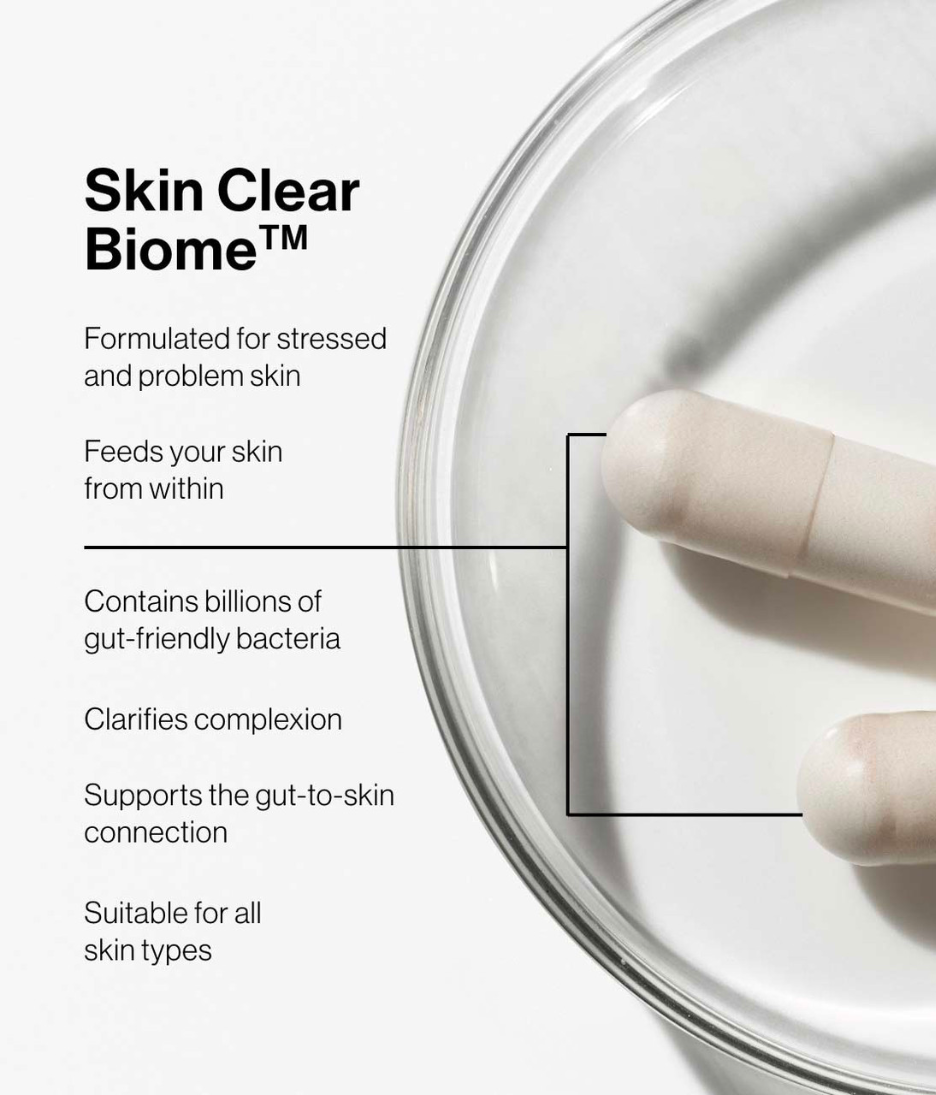
In some patients, probiotic support can be helpful alongside topical skincare. Products such as Skin Clear Biome or Symprove are sometimes used where there appears to be a link between gut health and skin flares.

Supplements are not necessary for everyone, and they are not a replacement for skincare, but they can form part of a broader approach in certain cases.

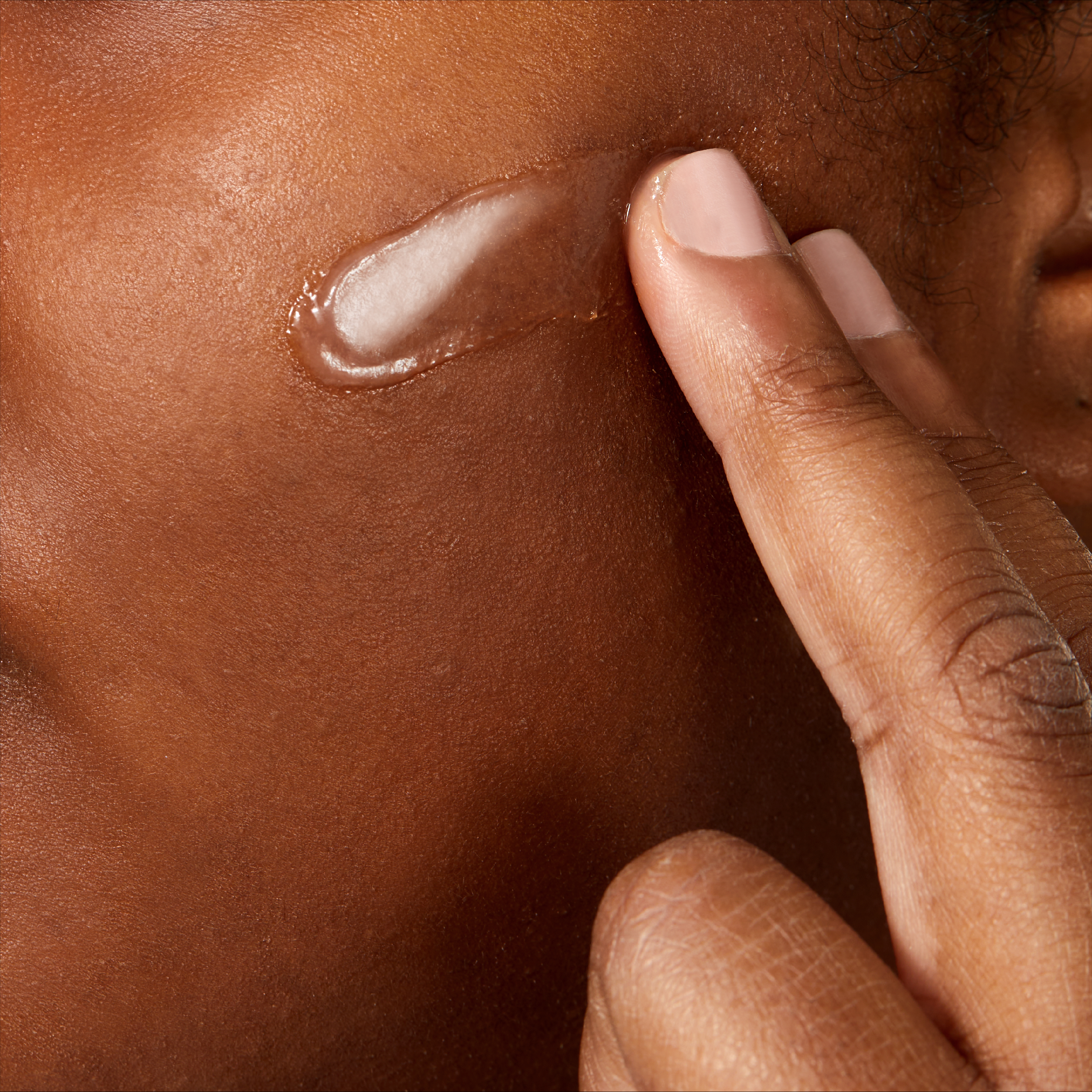
Dr. Loretta Urban Antioxidant Sunscreen SPF40 model close up face and product application
A close-up of a hand with red, irritated patches on the skin. A circular diagram overlays the image, illustrating the texture of the skin condition.
Skin_Clear_Biome_Details_6a13ba1c-3080-4e48-b111-78c9dd097baf.png
Skin Supplements Page Cover Image.png__PID:63761268-559f-45b3-8059-2cca9607e5c6

A Final Thought

Healthy skin is not defined by how it looks on a single day, but by how consistently it can maintain comfort, resilience and balance over time.


When the skin barrier and the microbiome are supported, the skin generally becomes easier to manage and less reactive to both products and environmental stress.


If your skin has been feeling less predictable, it is often worth stepping back and focusing on the barrier first.

👉🏻 Read Next: How to Repair your Skin Barrier: A Simple Reset Routine.


SUPPORT YOUR SKIN BARRIER

If your focus is on long-term skin health, these are the areas we prioritise:


Hydrating Serums

To maintain water levels and improve comfort.


Barrier Repair Moisturisers

To support the lipid structure of the skin.


SPF

To protect the skin from ongoing environmental stress.