SPF Blog Post Hero Image Ethereal
Dr. Laura's Edit

Summer Sunscreen 101

The Tips, Tricks and Products Worth Knowing Now

WHAT YOU NEED TO KNOW

THE ULTIMATE GUIDE TO spf

“If I could give you one thing that slows skin ageing long term, it’s SPF.” – Dr Laura

Summer skincare sounds easy. Then the sun hits, routines slip, and one morning layer of SPF is expected to last all day. It doesn’t.

If there is one product that deserves a daily spot, it’s sunscreen.

Most people have a mixed relationship with it. You know it protects against pigmentation, fine lines, and long-term skin damage. You also know it is key for skin cancer prevention. But it can feel heavy, confusing, or easy to skip when you are not sure how to use it properly.

That is usually where things go wrong.

Once you understand the basics, sunscreen becomes a lot easier to stick to. And when it’s done right, it is one of the most effective things you can do for your skin.


Here’s how to get it right this summer.

Sunscreen is one of the most important skincare products you’ll ever use. 

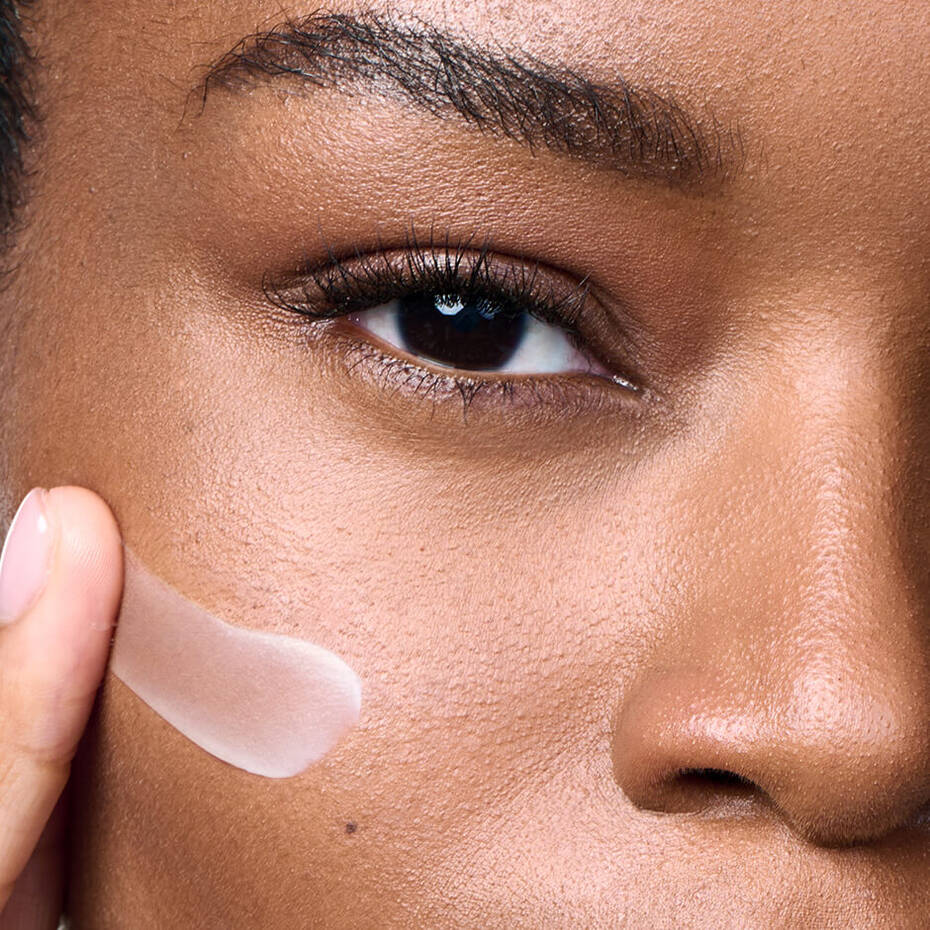
Everyday_50_SPF_Mimetique_6.png

It’s not just about avoiding a burn on holiday. Daily SPF is one of the simplest ways to protect against early ageing, uneven pigmentation, and, more importantly, skin cancer.

But for something so essential, sunscreen still causes a lot of confusion. People are unsure which SPF to choose, whether tinted formulas or makeup with SPF are enough, or if mineral is better than chemical. Then add in kids’ skin or sensitive skin, and it gets even more unclear.

Once you understand how it actually works, it becomes much easier to get right.

This guide breaks down everything you need to know so you can find the perfect SPF for you—because the best sunscreen is the one you’ll actually wear every day.

Why SPF matters more than you think

UV exposure is not just a holiday problem. It is there every day, even when it is cloudy or raining. Over time, that exposure builds and shows up on your skin.

It drives fine lines, wrinkles, and collagen loss. It triggers pigmentation like sunspots and melasma. And it is the main cause of skin cancer.

What catches people off guard is how constant it is. UVA can pass through glass, so your skin is still exposed indoors or while driving. There is also early evidence that visible light may play a role in pigmentation, though this is still being studied.

This is why SPF is not just for sunny days or beach trips. It is a daily step, all year round.

Even indoors, UVA rays can penetrate through glass, and blue light from screens may contribute to skin damage and pigmentation. This is why SPF isn’t just for the beach—it’s for every single day.

What ingredients to look out for

some of our staff favess

€48,00

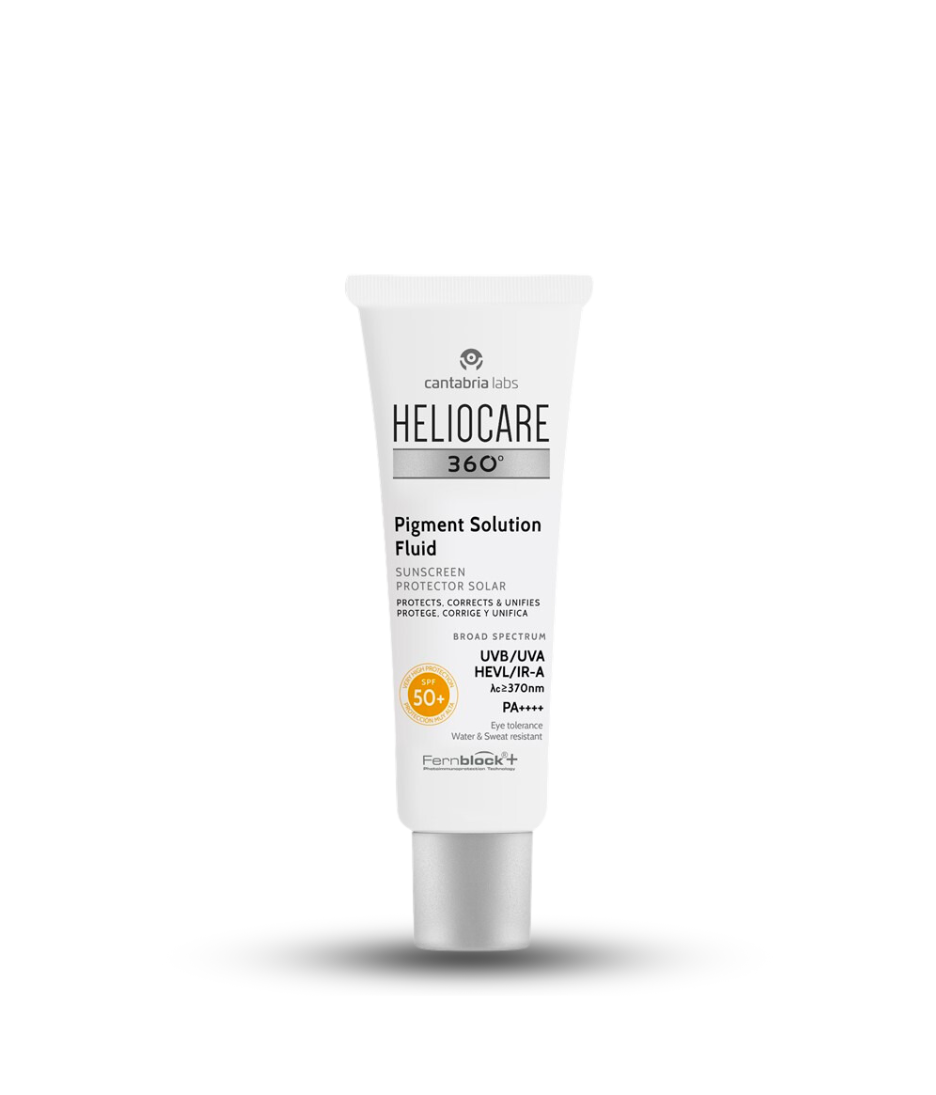
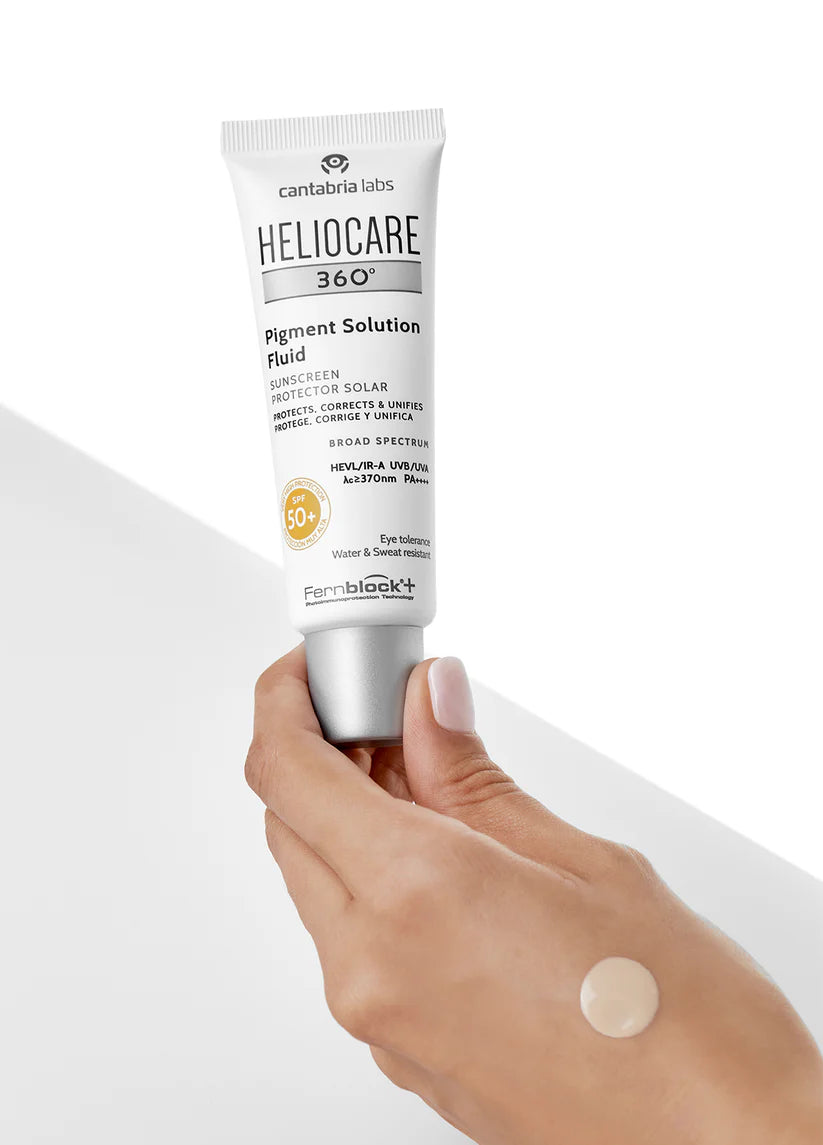
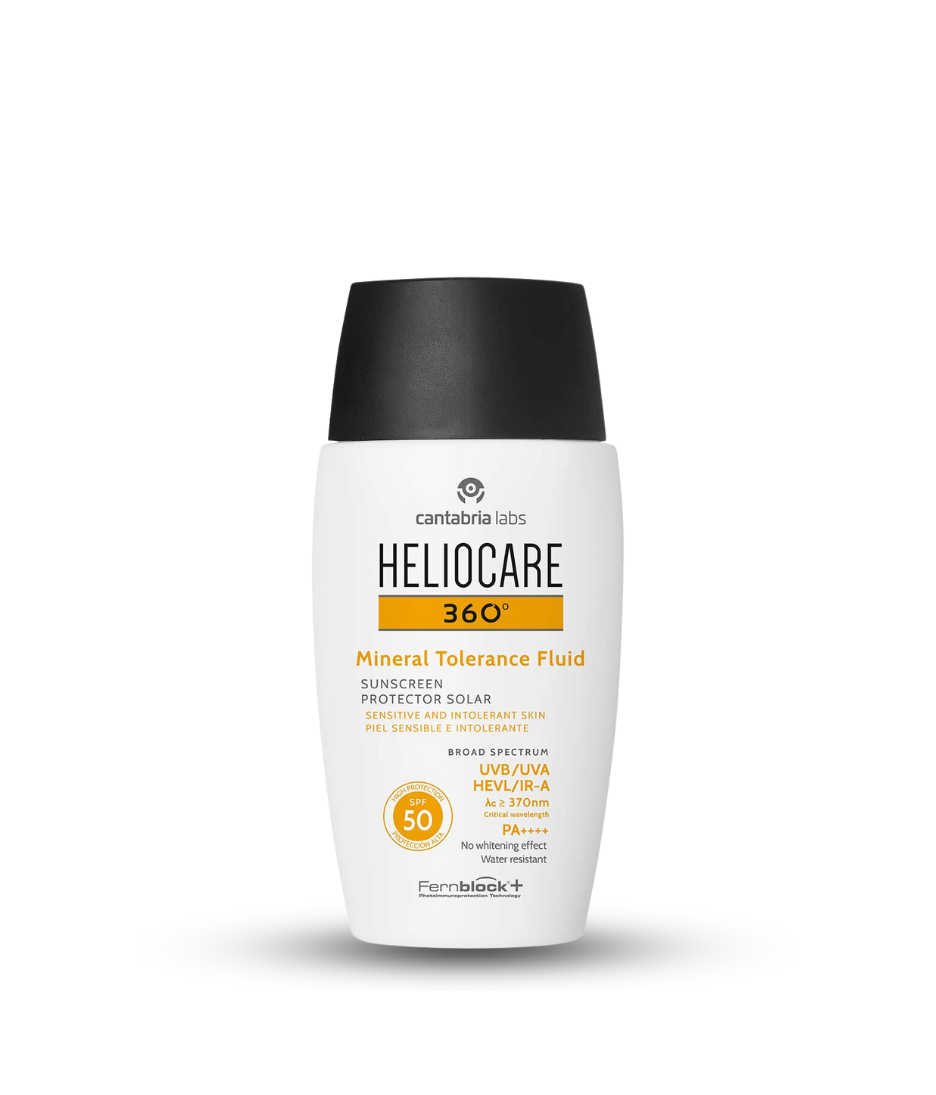
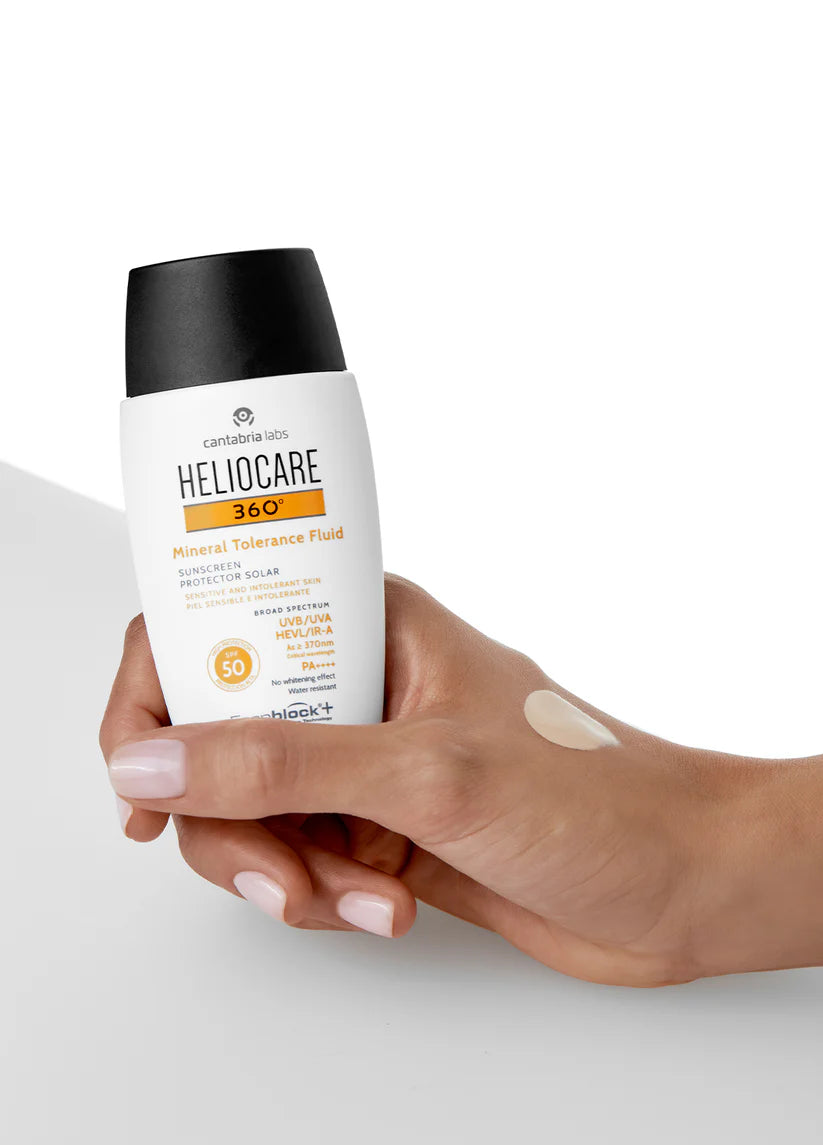
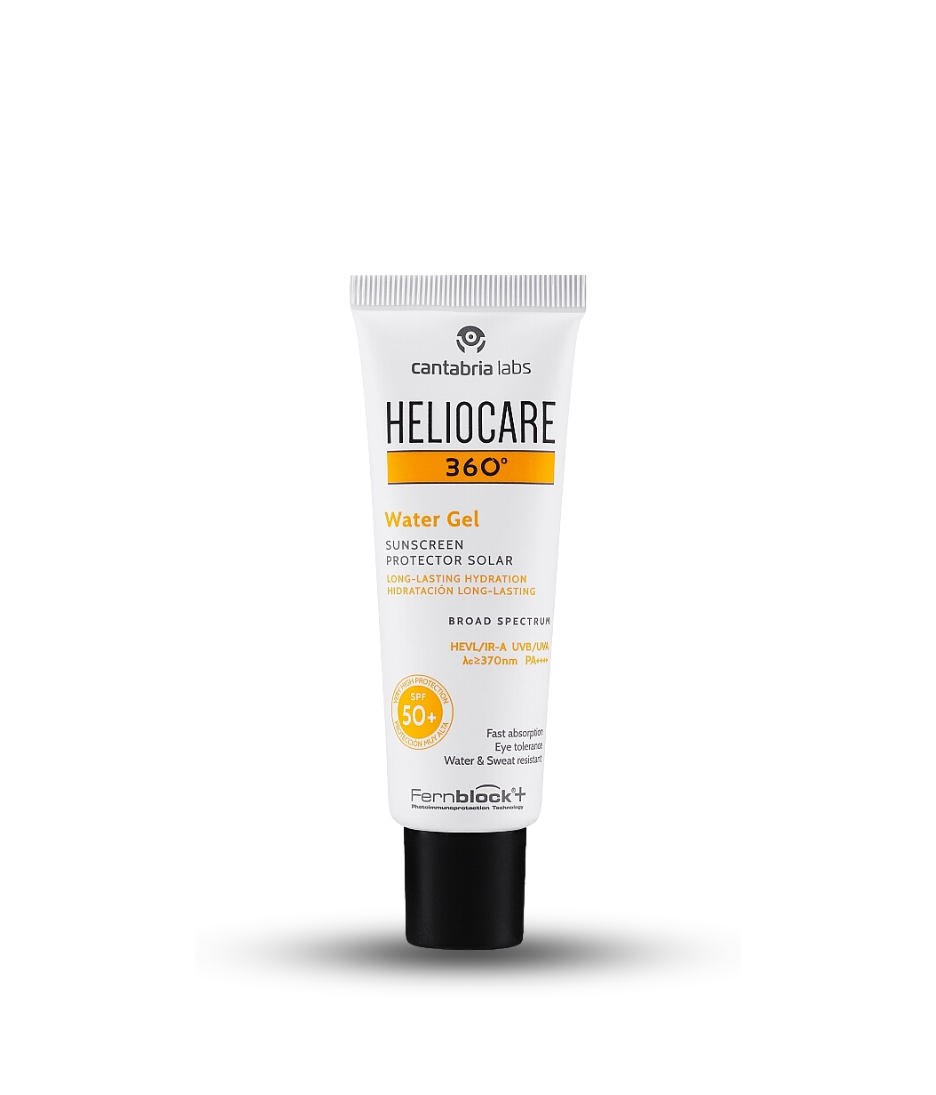
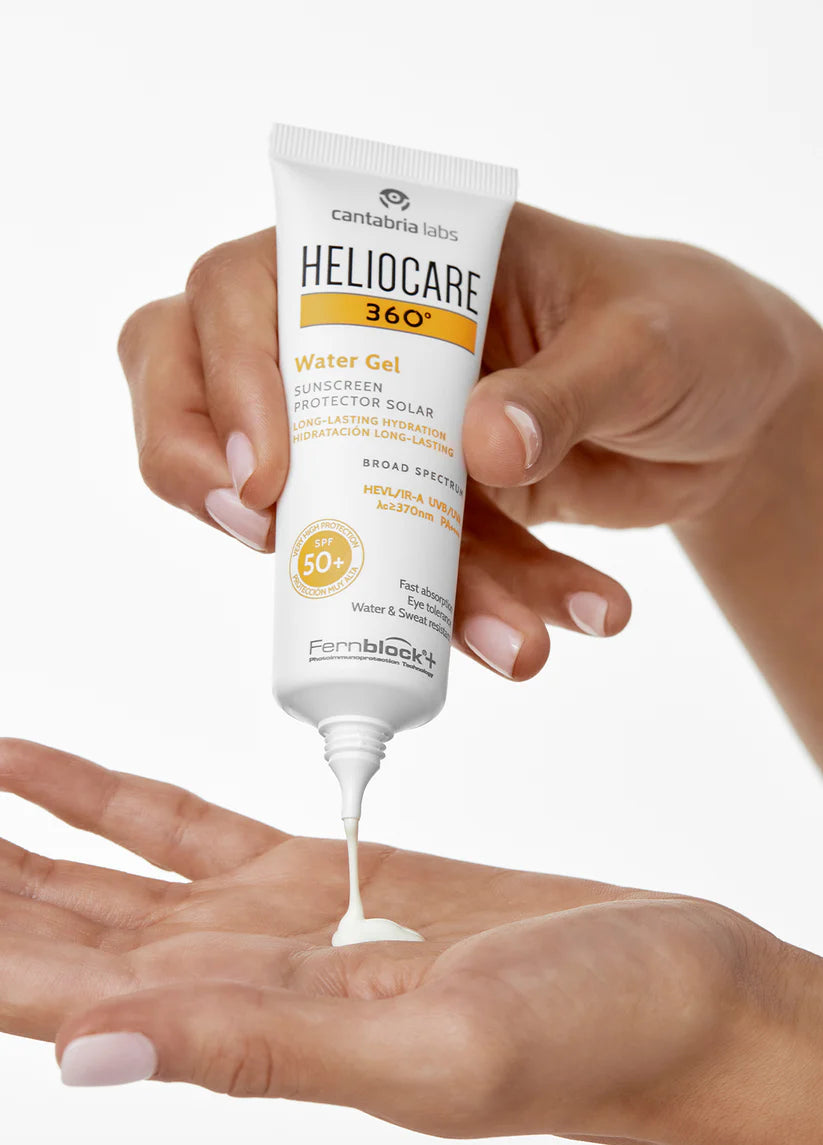
Lightweight SPF50 face fluid that protects against UV damage while hydrating skin and leaving an invisible finish.

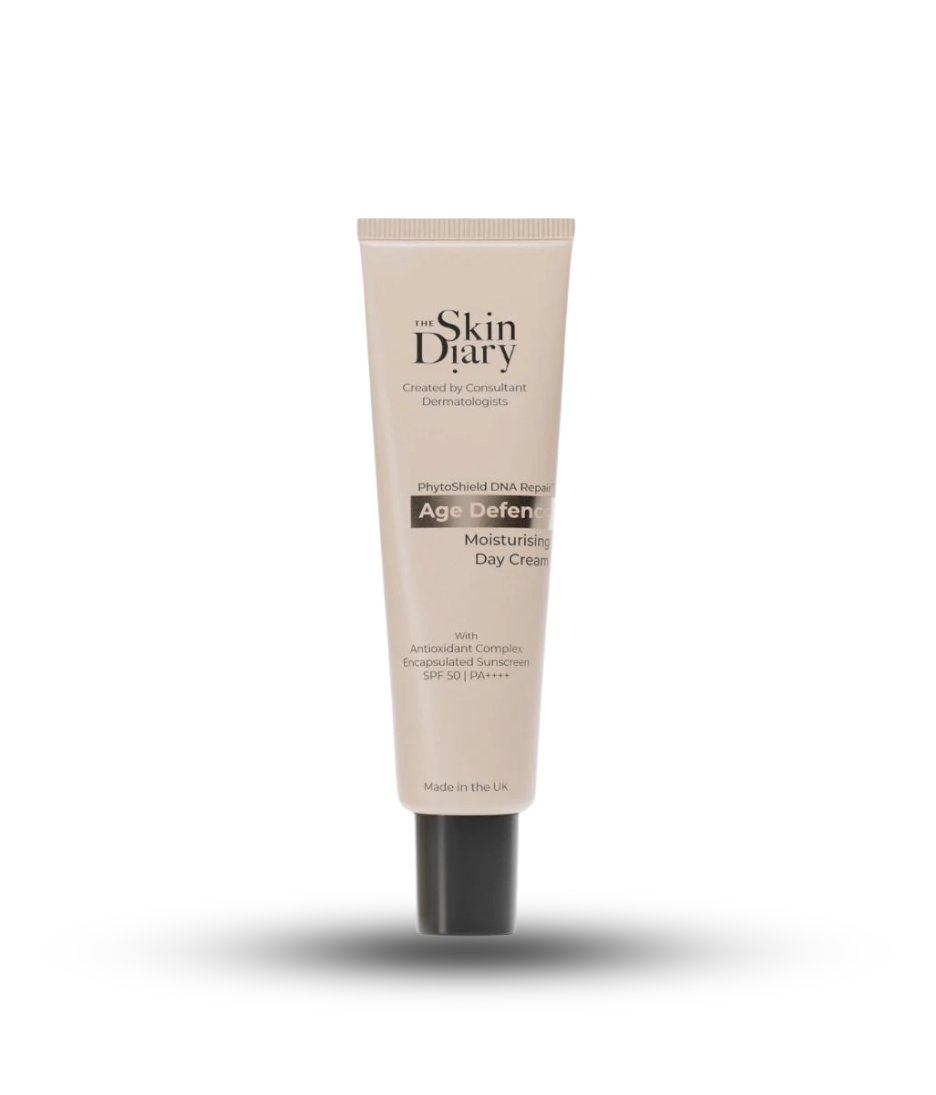
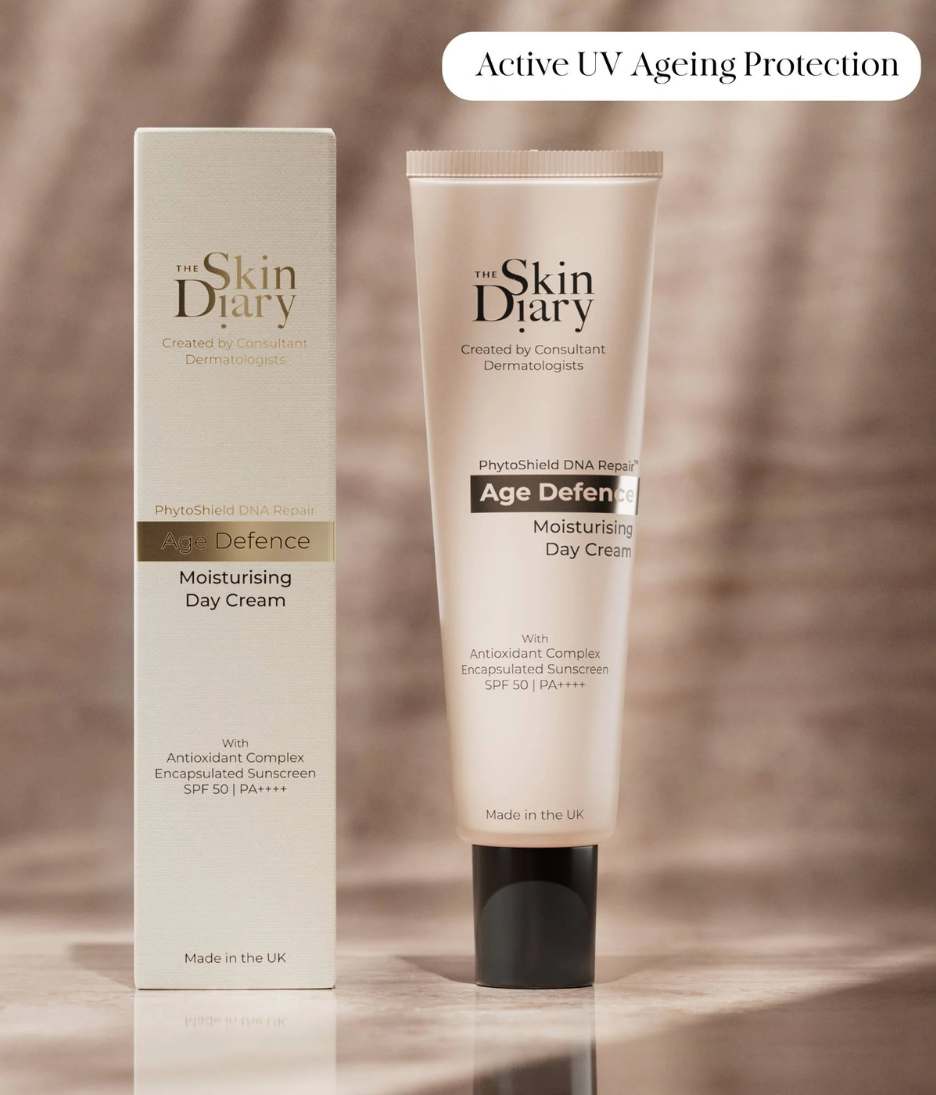
€110,00

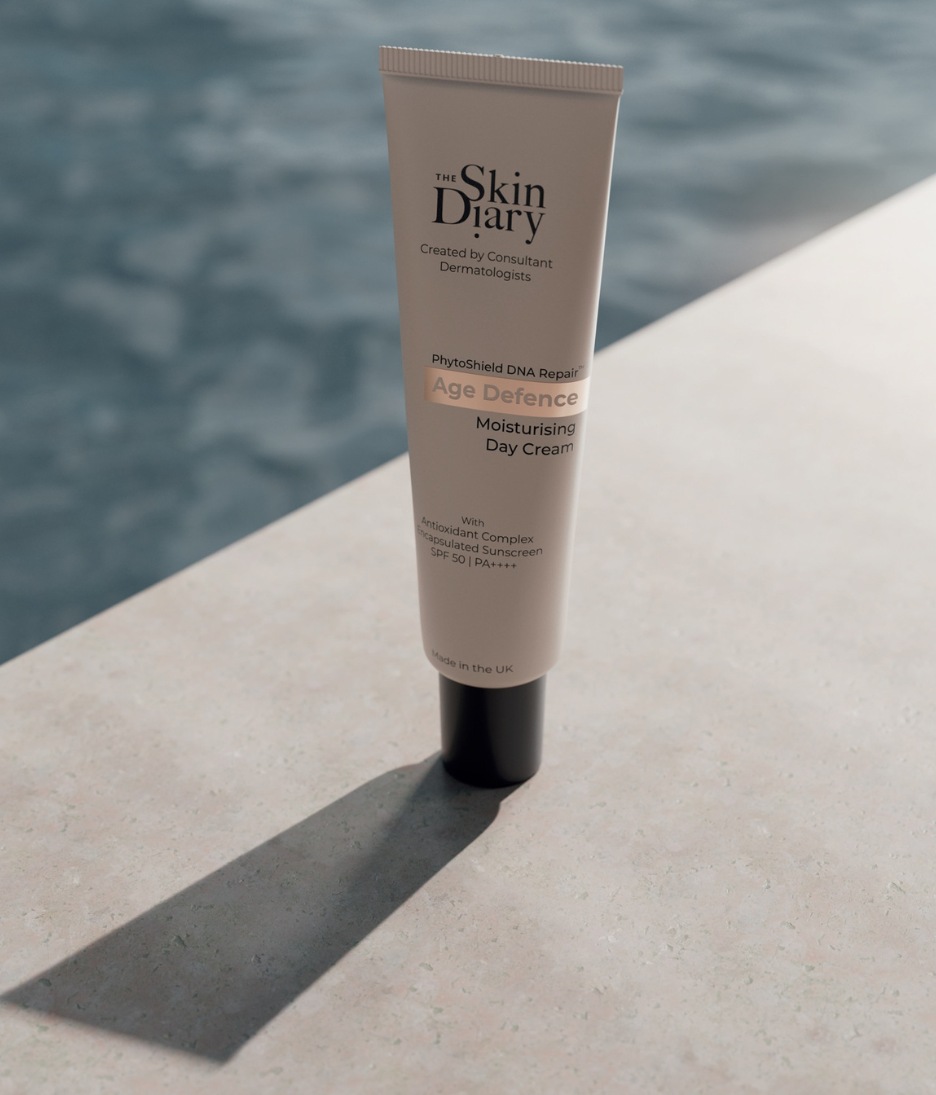
A luxurious SPF50 day cream with DNA repair enzymes to protect, repair, and hydrate for resilient, youthful skin.

€45,00

A dewy, glow-giving SPF 50 with Niacinamide, Hyaluronic Acid and Squalane for hydrated, luminous skin.

Mineral_1080x1350_22323677-67b3-455e-b709-2c1e2dd61954.png

If you have spent any time online, you have seen the debate. Mineral or chemical. Which is better. Which is safer. Which one you should be using.

The truth is a lot less dramatic. Both types protect your skin from UV damage. And the best one is the one you will actually wear every day.

For years, we were told mineral sunscreens sit on the skin and reflect UV, while chemical sunscreens absorb it. That is only part of the story. Newer research shows that both types mainly work by absorbing UV radiation. They just use different ingredients to do it.

So the idea that one is a “shield” and the other is a “sponge” is a bit oversimplified.

What matters more is finding a formula that suits your skin. Mineral sunscreens are often better tolerated by sensitive skin. Chemical sunscreens tend to feel lighter and more invisible on the skin.

If you want to be thorough, you can layer or use hybrid formulas that combine both. This can help give broader, more consistent coverage across UVA and UVB.

In real terms, consistency always wins. The sunscreen you enjoy using is the one that will protect your skin best.

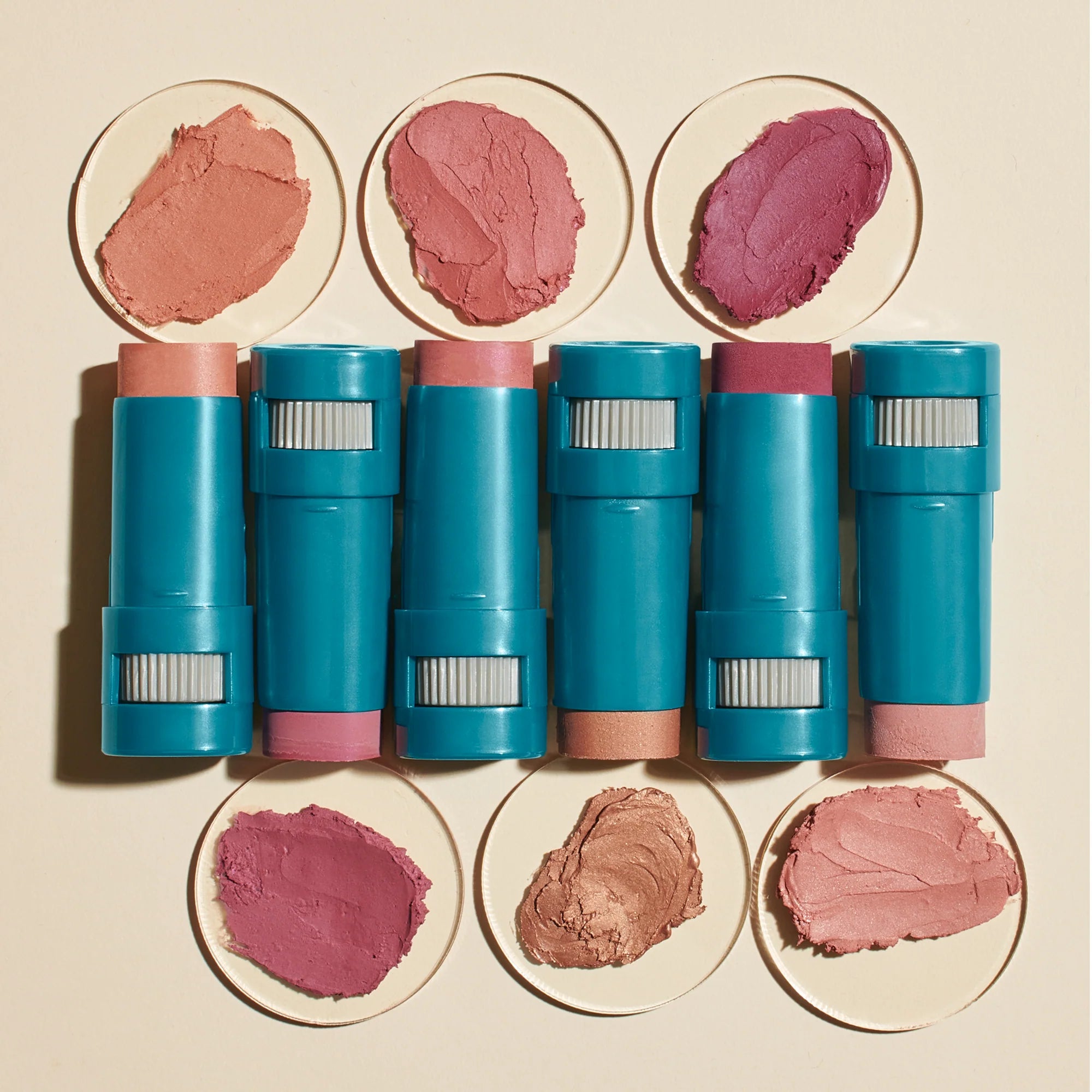
Colorescience_Balms.webp
Colorescience_TP_FaceShield_Classic_Lifestyle.webp

Is Tinted SPF or SPF in Makeup Enough?

Short answer: No.

While makeup with SPF is great as an added layer of protection, you won’t get enough coverage from it alone. Studies show that to reach the SPF level advertised on a foundation or tinted moisturiser, you’d need to apply a thick layer—far more than most people use.

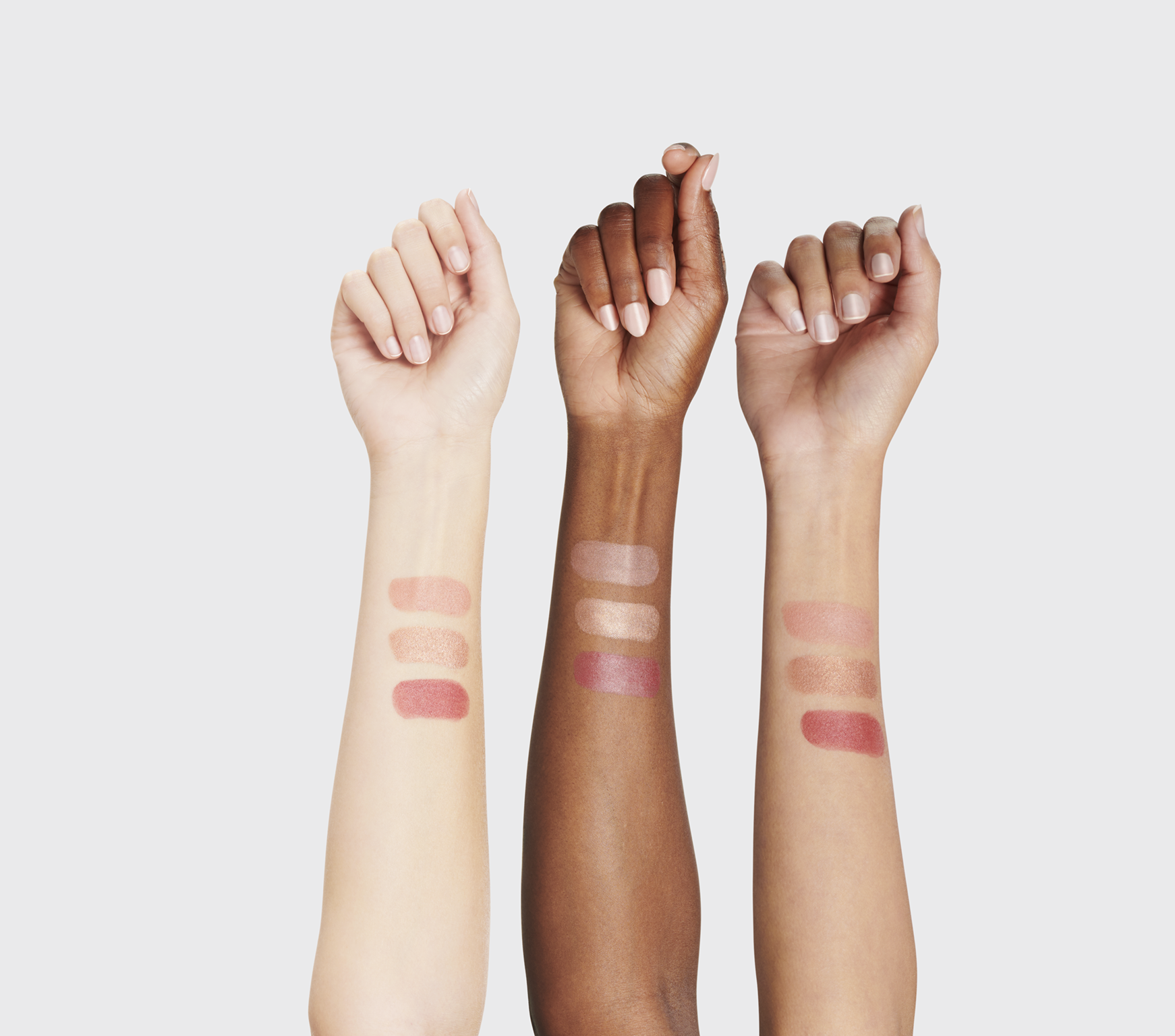
That said, tinted SPFs have benefits. Many contain iron oxides, which help protect against blue light and pigmentation.

Dr. Laura says 'If you wear makeup, the best approach is to apply a proper broad-spectrum SPF underneath and then use an SPF tint for coverage, and powder or setting spray for touch-ups"

2F633C8D-EB7F-4820-94DB-A22413C0A7A4.jpg

SPF for Kids: What’s Safe & Best to Use?

Children’s skin is thinner and more sensitive than adults’, meaning it absorbs more of whatever is applied to it. Many sunscreens contain chemical filters that aren’t always suitable for young skin, so mineral-based options tend to be the safest choice.

For kids, choose a water-resistant formula and reapply regularly, especially if they’re swimming or playing outdoors.

DR. LAURA'S TOP TIPS

5 TOP TIPS TO PROTECT YOU AND YOUR KIDS

Apply More Than You Think You Need

Most people don’t use enough sunscreen, meaning they’re not getting the full SPF protection on the bottle. Shop easy to wear SPF.

Reapply Every 2 Hours (Yes, Even Over Makeup!)

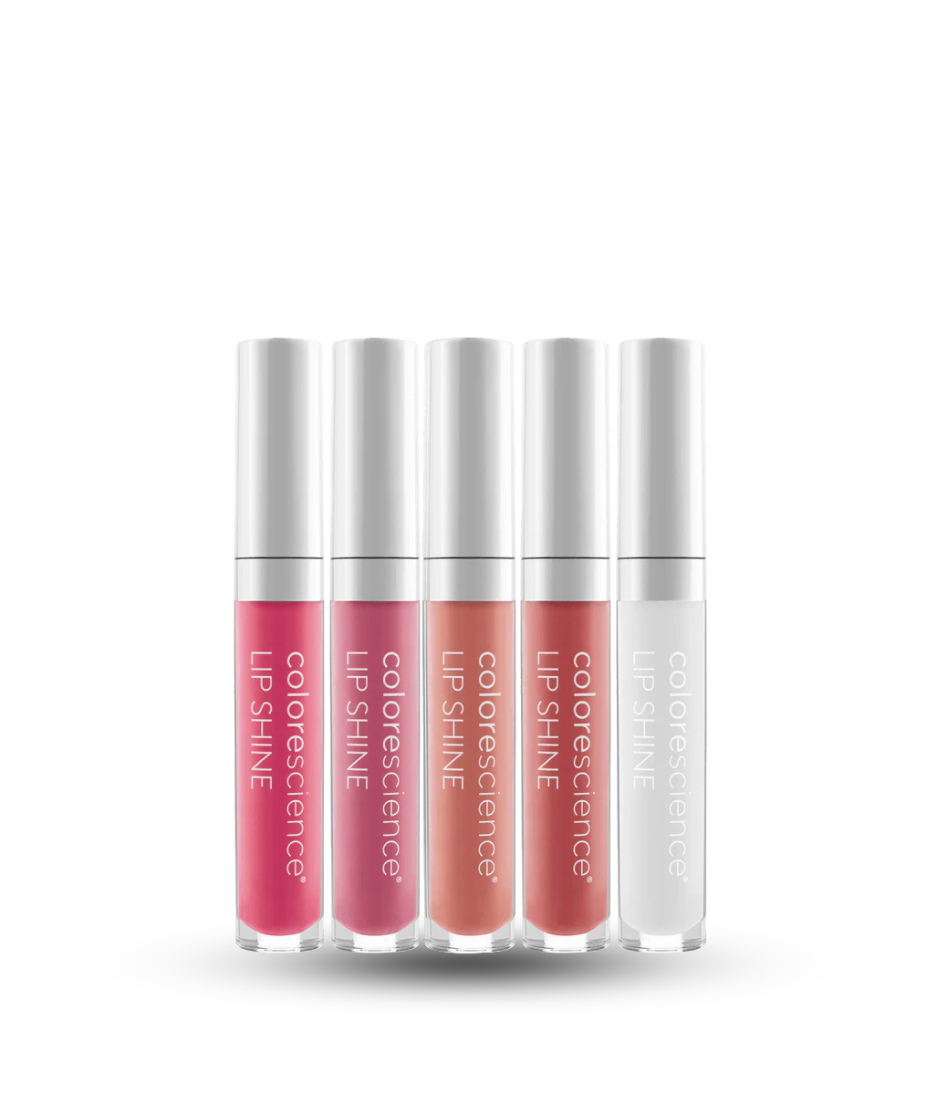
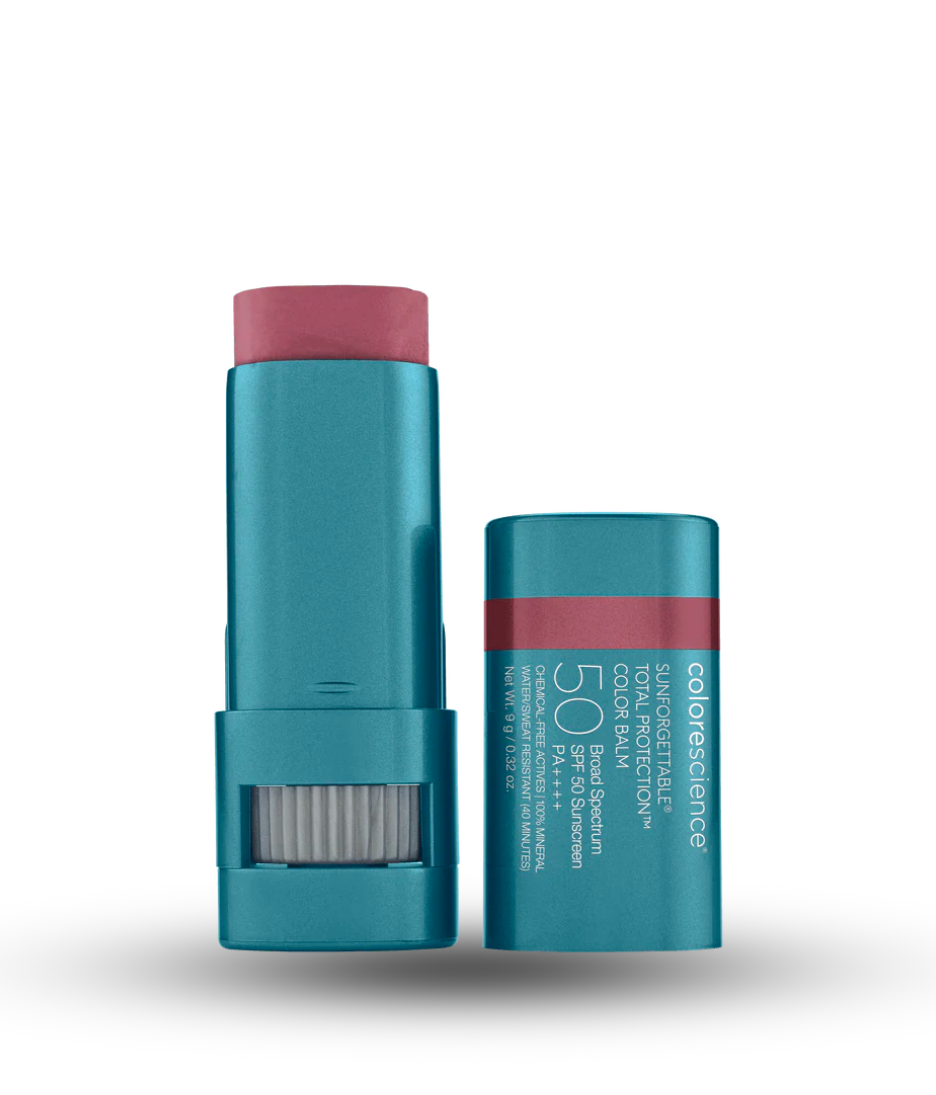
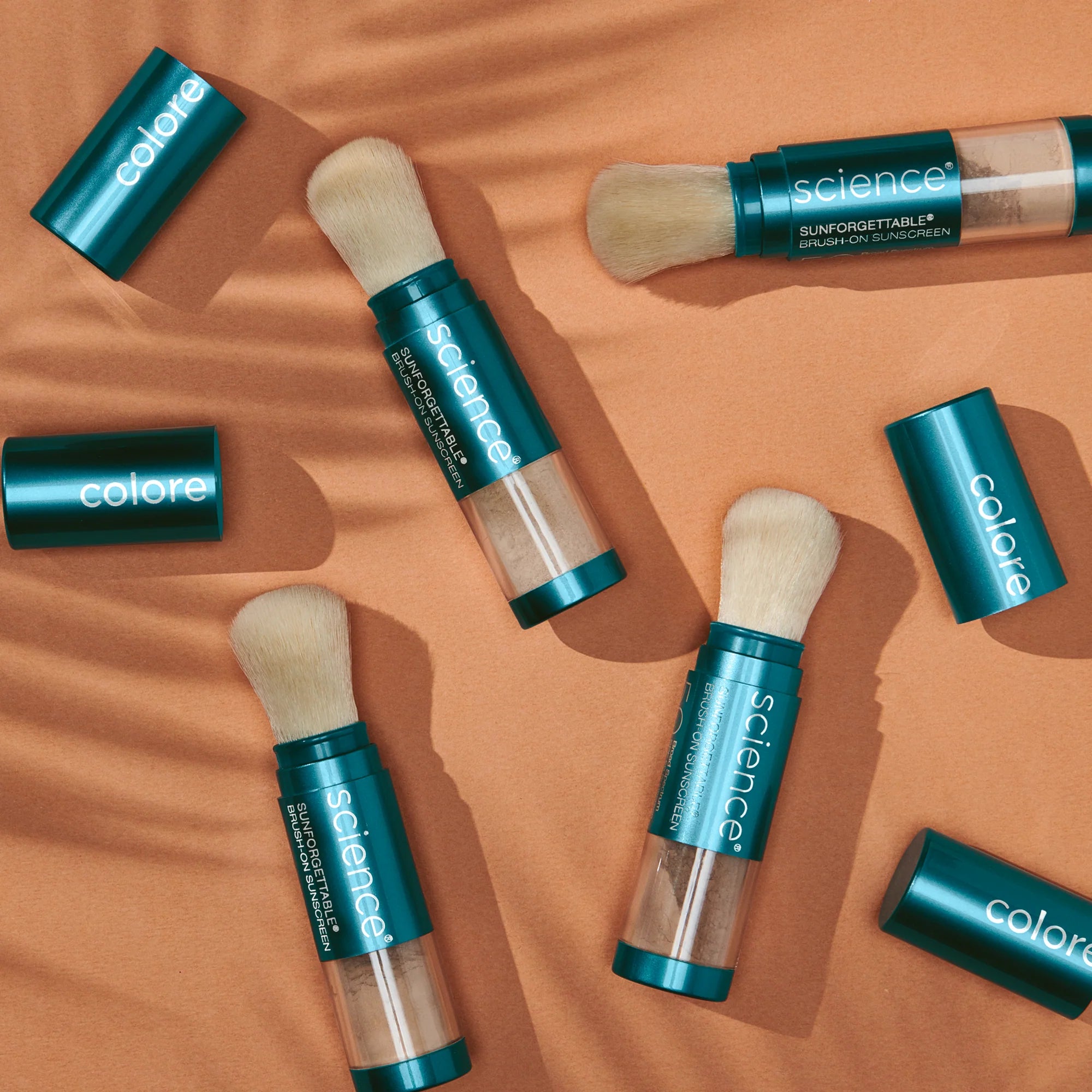
SPF wears off throughout the day, whether from sweat, touch, or just time. Reapplying every two hours is key—especially if you’re outdoors. Colorescience have some great options

Don’t Rely on Makeup or Tinted SPF Alone

Foundation or tinted moisturiser with SPF isn’t enough on its own. Instead, think of SPF in makeup as a bonus layer on top of your dedicated sunscreen.

Wear Sunscreen Every Day—Rain or Shine

80% of UV rays penetrate clouds, and UVA rays through glass, meaning sun damage happens always. Make SPF a daily habit, just like brushing your teeth!

Protect Your Kids Too—They Need SPF Even More!

Children’s skin is more delicate and more susceptible to sun damage. A gentle, water-resistant sunscreen is best for kids, and mineral sunscreens are often recommended for sensitive skin.

Korean beauty spf
Althelios_Dermo_Pediatrics_Lotion.png
Colorescience_TP_Brush-on-Shield_Sheer_SPF_30_Lifestyle.webp
Darling SHIELD-ME SPF50+ lifestyle
Cica calming sun serum SPF 50 lightweight sunscreen
Daily_SPF_usage.png

Final Thoughts: The SPF You Actually Need

It is easy to overthink sunscreen. You do not need to.

Focus on finding one you like, one that sits well on your skin, and one you will use every single day. That is what makes the difference over time.

If you are not sure where to start, explore our SPF collection on Phare. Every formula is chosen with real skin concerns in mind, so you can find one that actually fits your routine