blemish_summer_skin.png
Dr. Laura's Edit | June 2026

Why Your Skin Breaks Out More in Summer (And What to Do About It)

I see a real pattern in clinic every year from around May onwards. People who don't normally struggle with breakouts start coming in with congestion on their chest, back and shoulders. People who do struggle with acne find it getting harder to manage. And almost everyone is surprised, because summer feels like it should be good for skin.


Unfortunately, that isn't the case; here's why.

Why summer makes acne worse

A few things converge in summer that create near-perfect conditions for breakouts:


Heat increases sebum production. Your skin produces more oil in warmer temperatures as a natural response, and more oil means more opportunity for pores to become congested. Add sweat into the mix, which combines with that excess sebum and sits on the skin's surface, and you have a film that needs to be properly removed rather than just rinsed off.


Then there's SPF. Which we absolutely still recommend applying, every single day. But SPF is occlusive by design, and applied repeatedly throughout the day in heat, it contributes to congestion, especially on the chest, back and shoulders where skin is often more oily to begin with and clothing is trapping everything against it. This is not a reason to skip sun protection. It's a reason to manage your skin differently in summer.


And finally, clothing. Tight workout gear, swimwear sitting on skin for hours, damp fabric after a swim or a run. All of it contributes to a cycle of irritation and congestion that your regular winter routine simply doesn't account for.


The solution is a summer-specific approach, and it looks a bit different to what you do the rest of the year. Let's get into it!
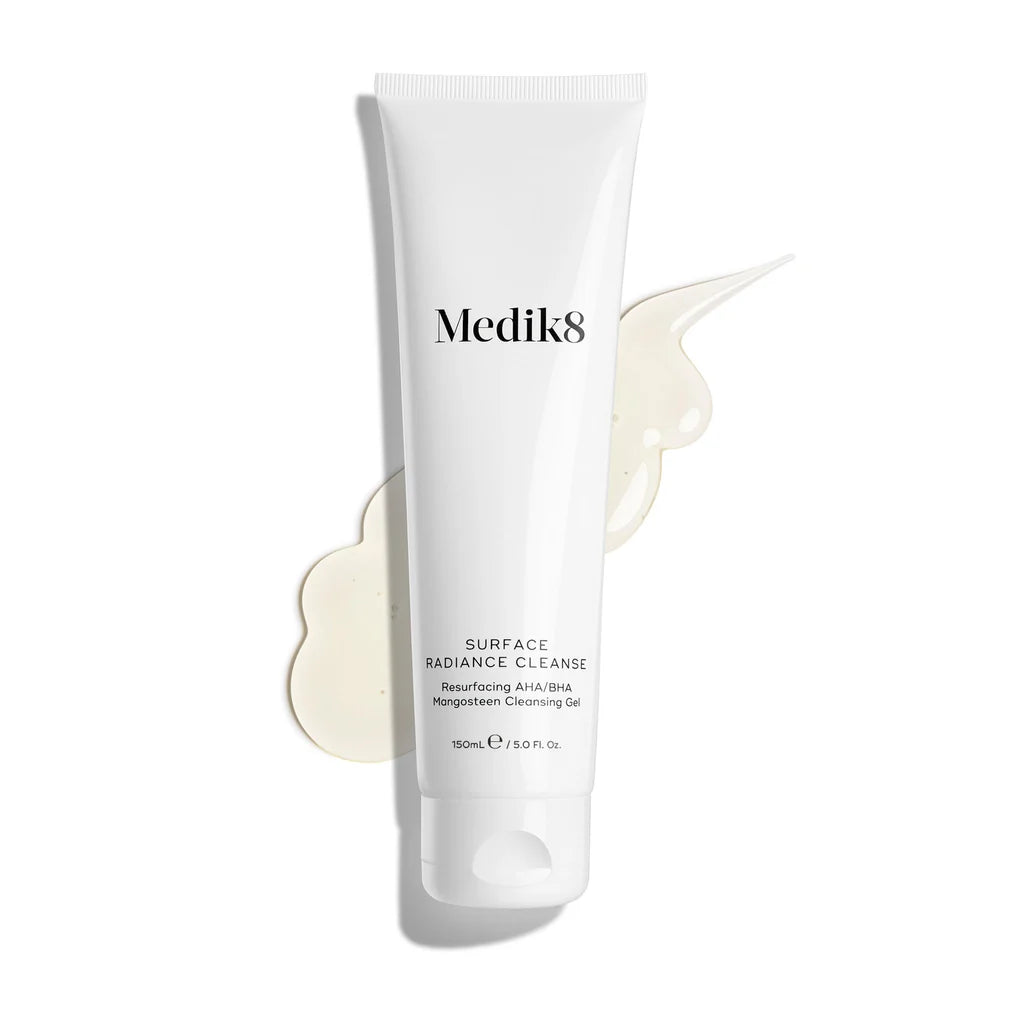
Step 1: Cleanse properly, face and body separately

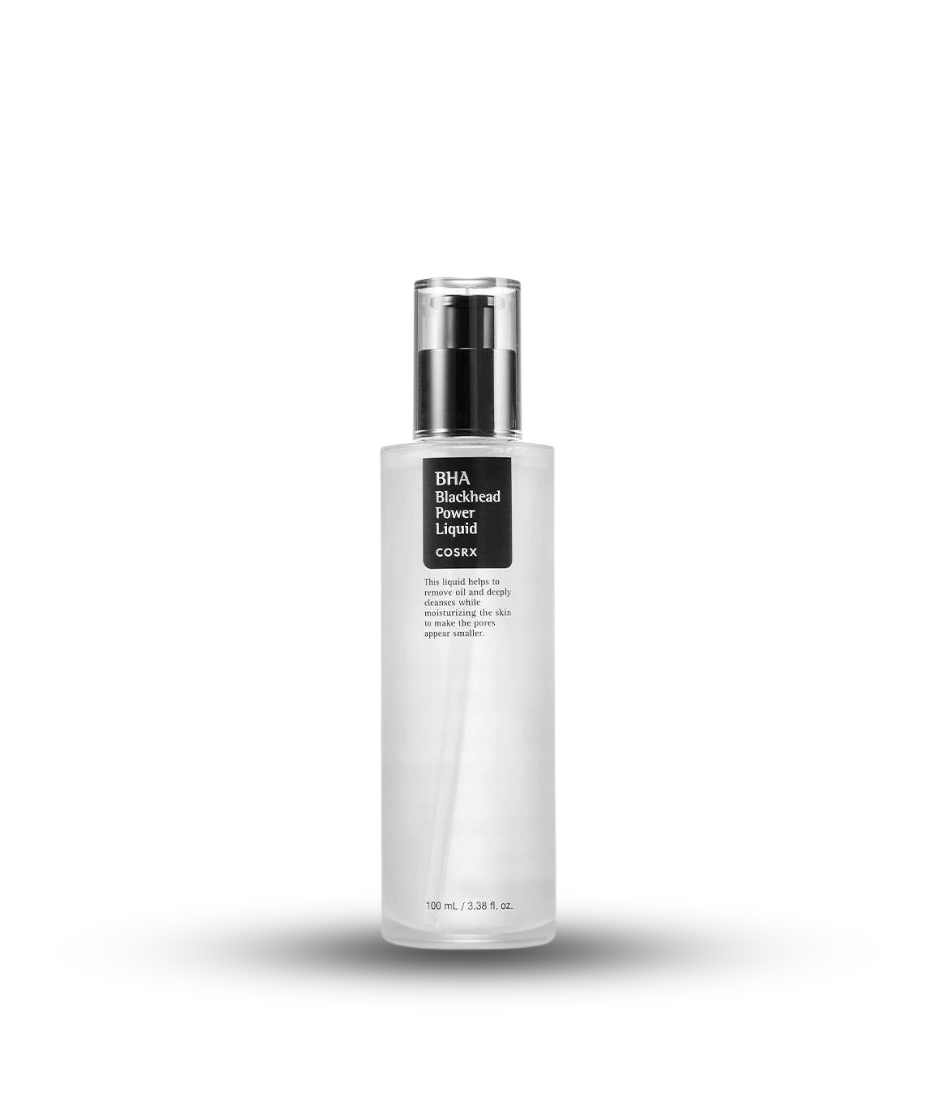
Step 2: Treat

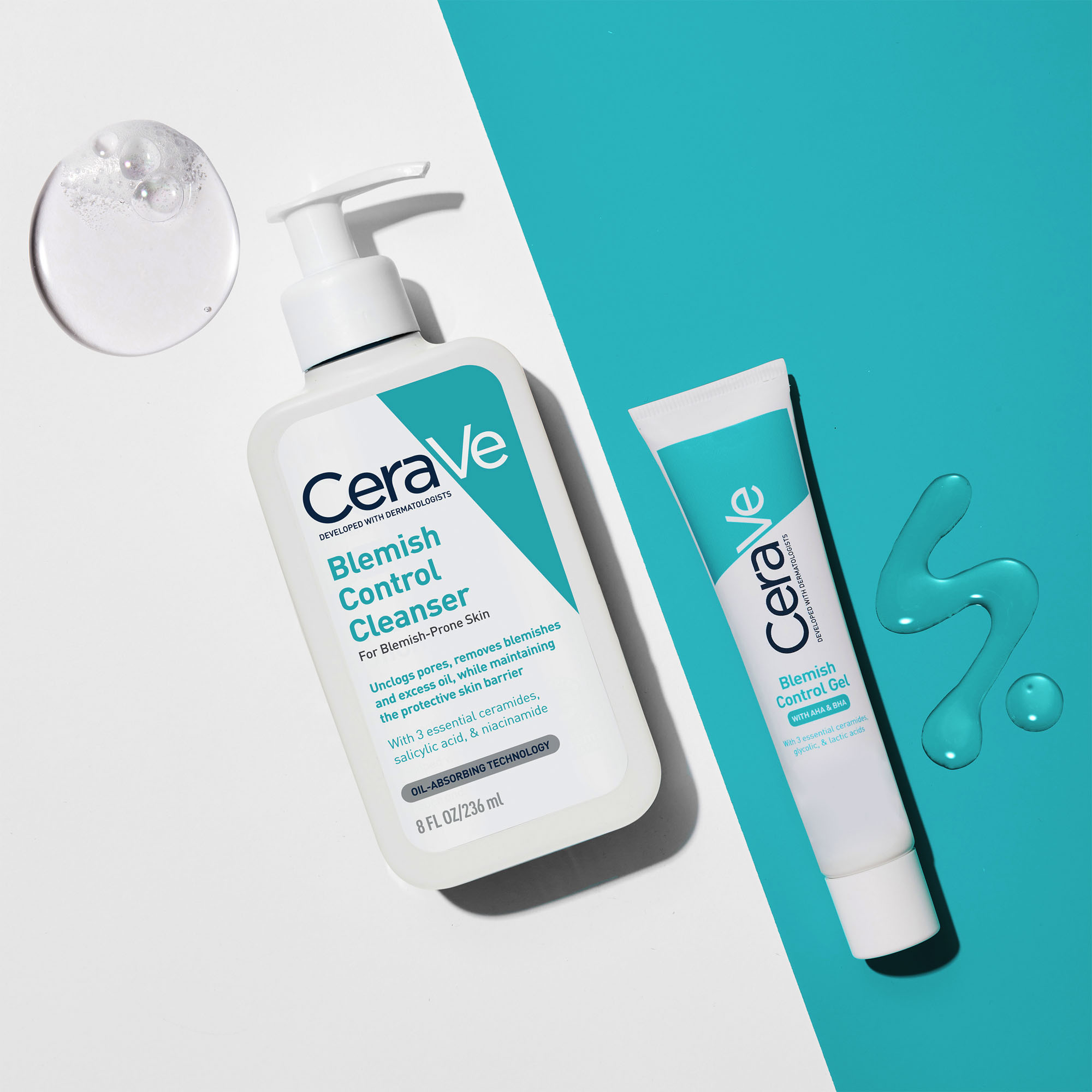
The CeraVe Blemish Control Gel

For spot treatment, the CeraVe Blemish Control Gel is straightforward and effective. Salicylic acid and niacinamide applied directly to active breakouts, after toner and before moisturiser. It reduces redness and helps the blemish resolve faster without leaving a white residue.

For more stubborn or inflamed breakouts, Acnecide gel with 5% benzoyl peroxide is worth keeping to hand.

Available from pharmacies without a prescription, it's one of the most clinically effective over-the-counter acne treatments available. Benzoyl peroxide works differently to salicylic acid in that it kills the bacteria responsible for inflamed acne rather than just unblocking the pore. Apply it to active spots, leave it on for five minutes, then rinse off. Use it as a targeted treatment rather than all over the face.


NB** Be aware it can bleach fabric so a white pillowcase is a good idea.


Step 3: Moisturise, even if your skin is oily

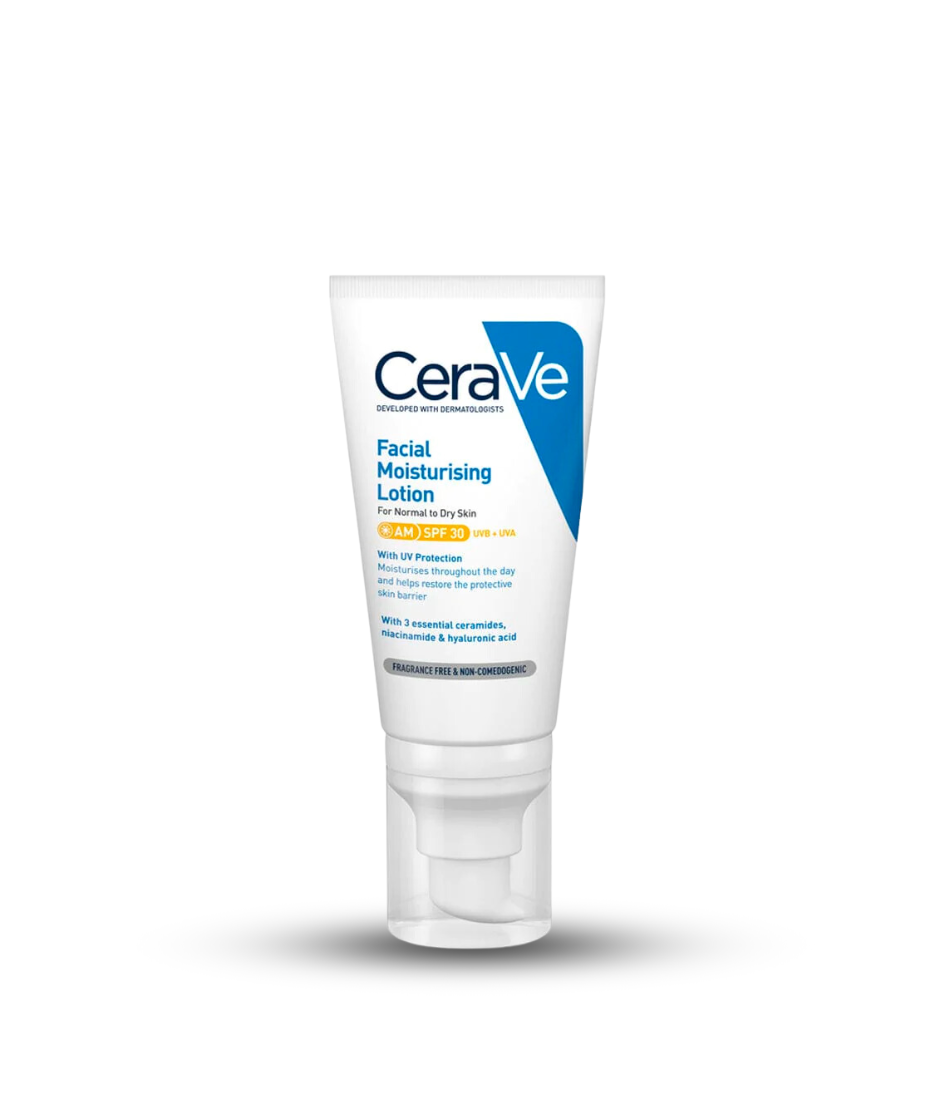
This is the step people with oily or acne-prone skin most commonly skip, and skipping it makes things worse. Skin that's stripped and dehydrated from actives overproduces oil to compensate. A lightweight, non-comedogenic moisturiser keeps that cycle from happening.

Step 4: SPF, chosen carefully

People with acne-prone skin often avoid SPF because they think the formula is causing their breakouts. Sometimes they're right, which is exactly why the SPF you choose matters here. But skipping it entirely is not the answer. Post-inflammatory hyperpigmentation, the dark marks left after a blemish resolves, get significantly worse with UV exposure. Every active spot will leave a darker mark without protection. SPF is more important with acne, not less. The key is finding a formula that's genuinely non-comedogenic, lightweight, and designed for oily skin.

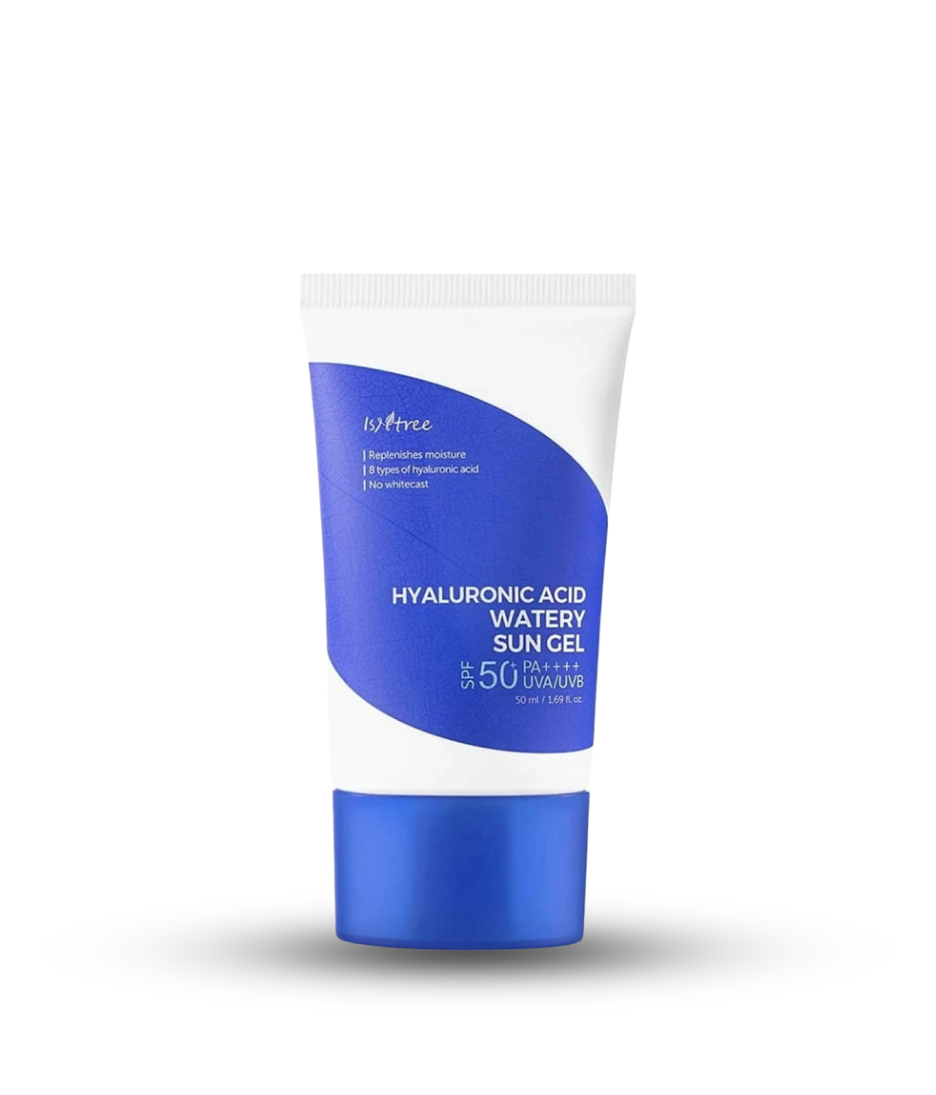
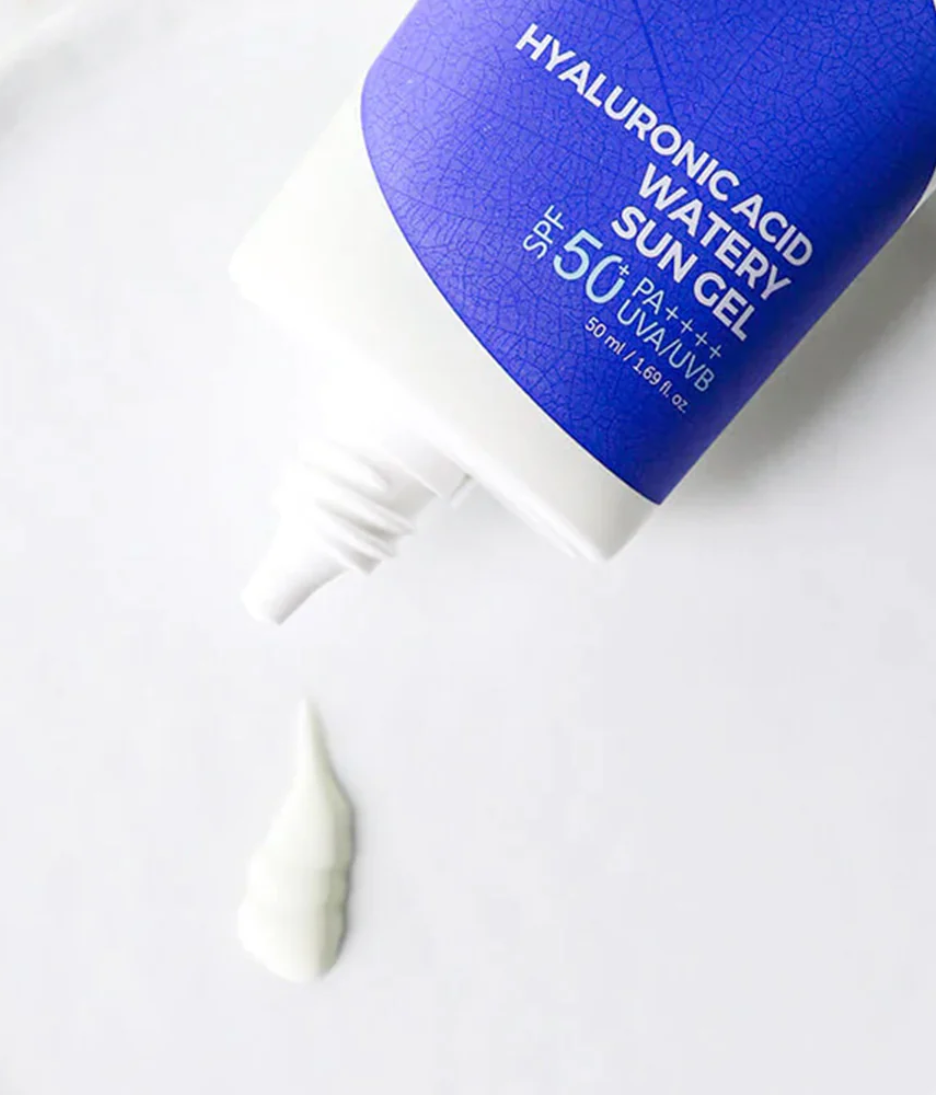
The Isntree Hyaluronic Acid Watery Sun Gel SPF50+

The Isntree Hyaluronic Acid Watery Sun Gel SPF50+ is one of our top recommendations for acne-prone skin. The gel texture is ultra-lightweight, it absorbs completely with no white cast and no greasy film, and the hyaluronic acid keeps skin hydrated without any heaviness. PA++++ rating for strong UVA protection. This is the one to try if texture has put you off SPF in the past.

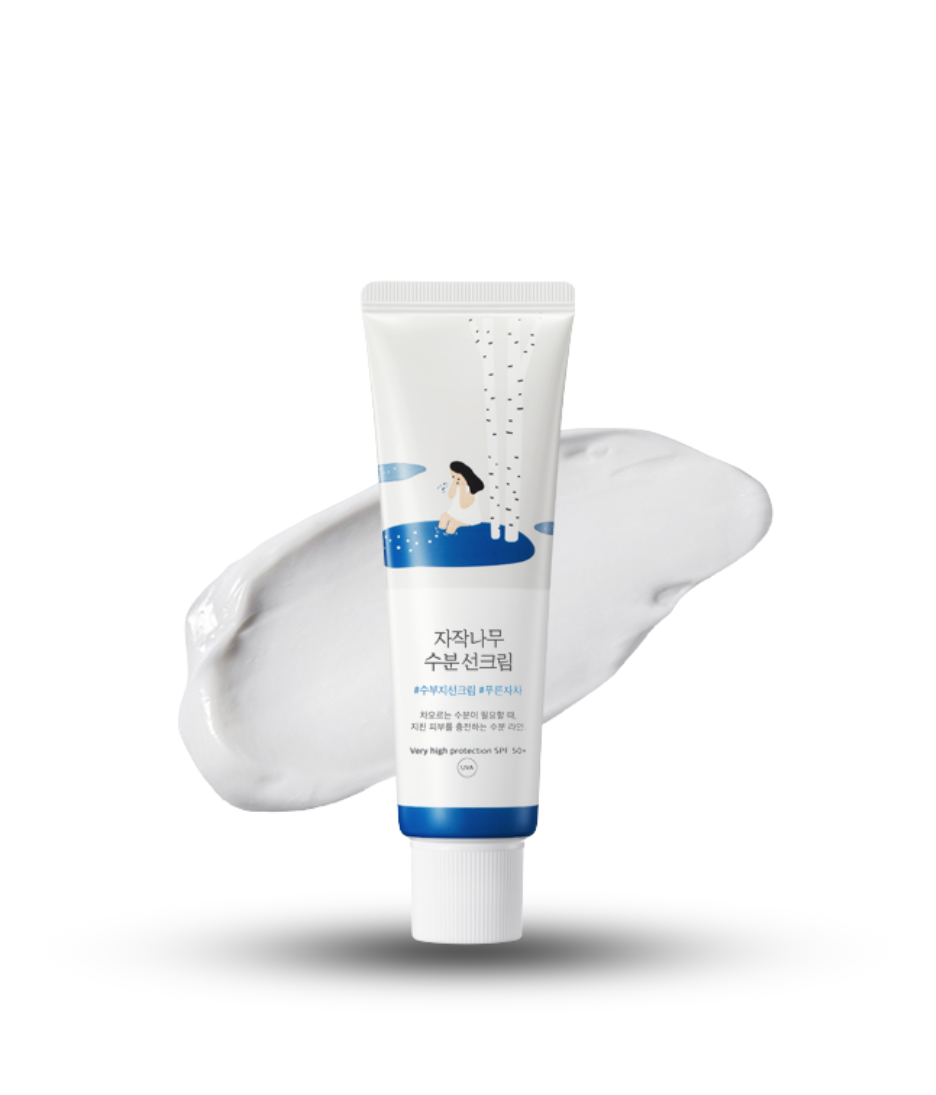
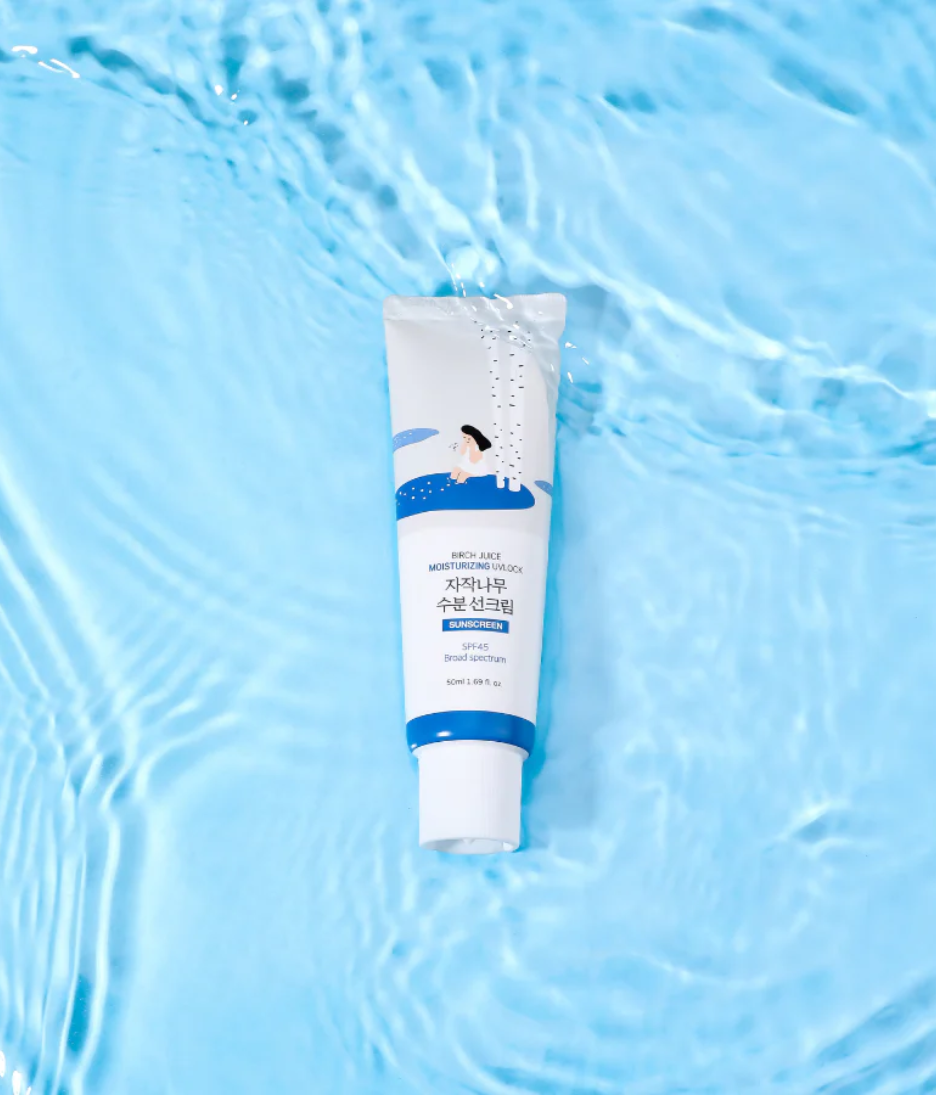
The Round Lab Birch Juice Sun Cream SPF50+

The Round Lab Birch Juice Sun Cream SPF50+ is another Korean SPF that works brilliantly for this skin type. Birch tree sap for hydration, a clean lightweight finish, no clogging. Consistently one of our most popular SPFs on the site and it earns it.

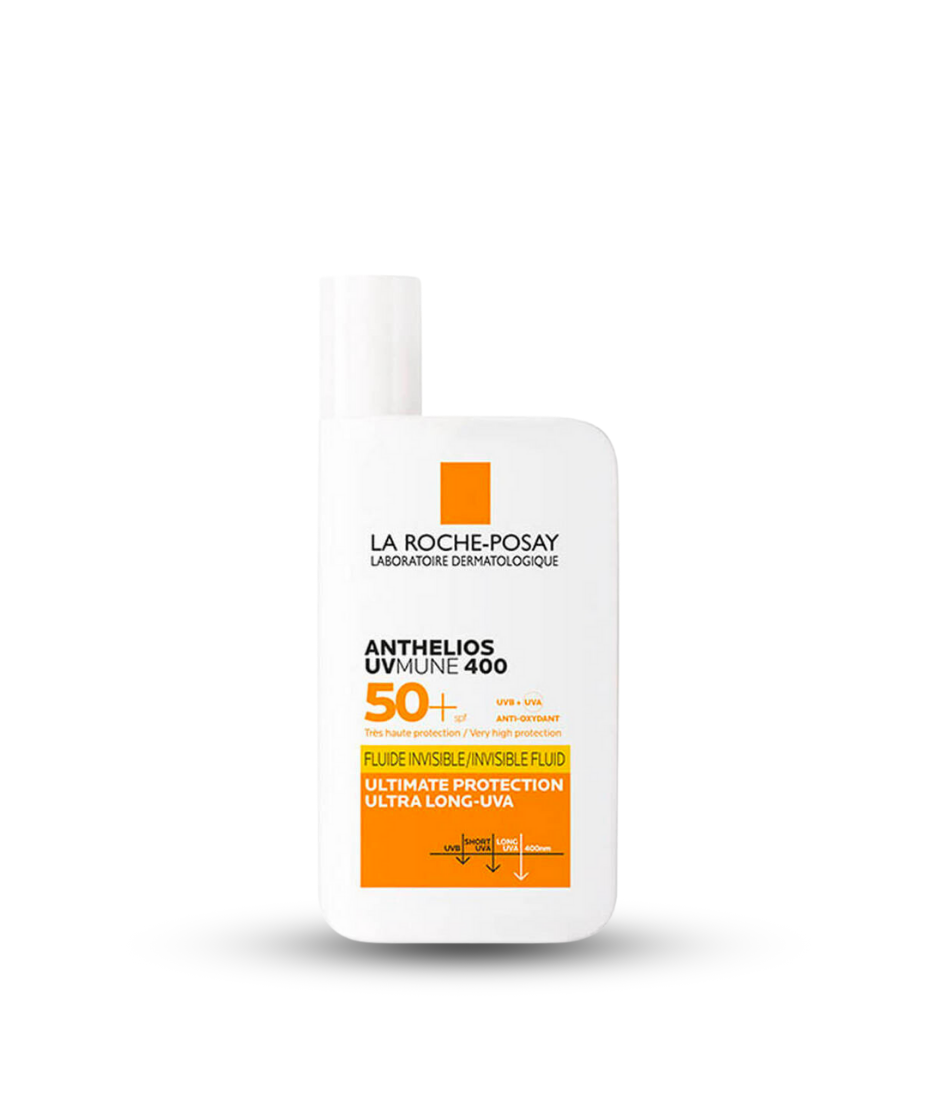
the LRP Anthelios UVMune 400 Invisible Fluid SPF50+

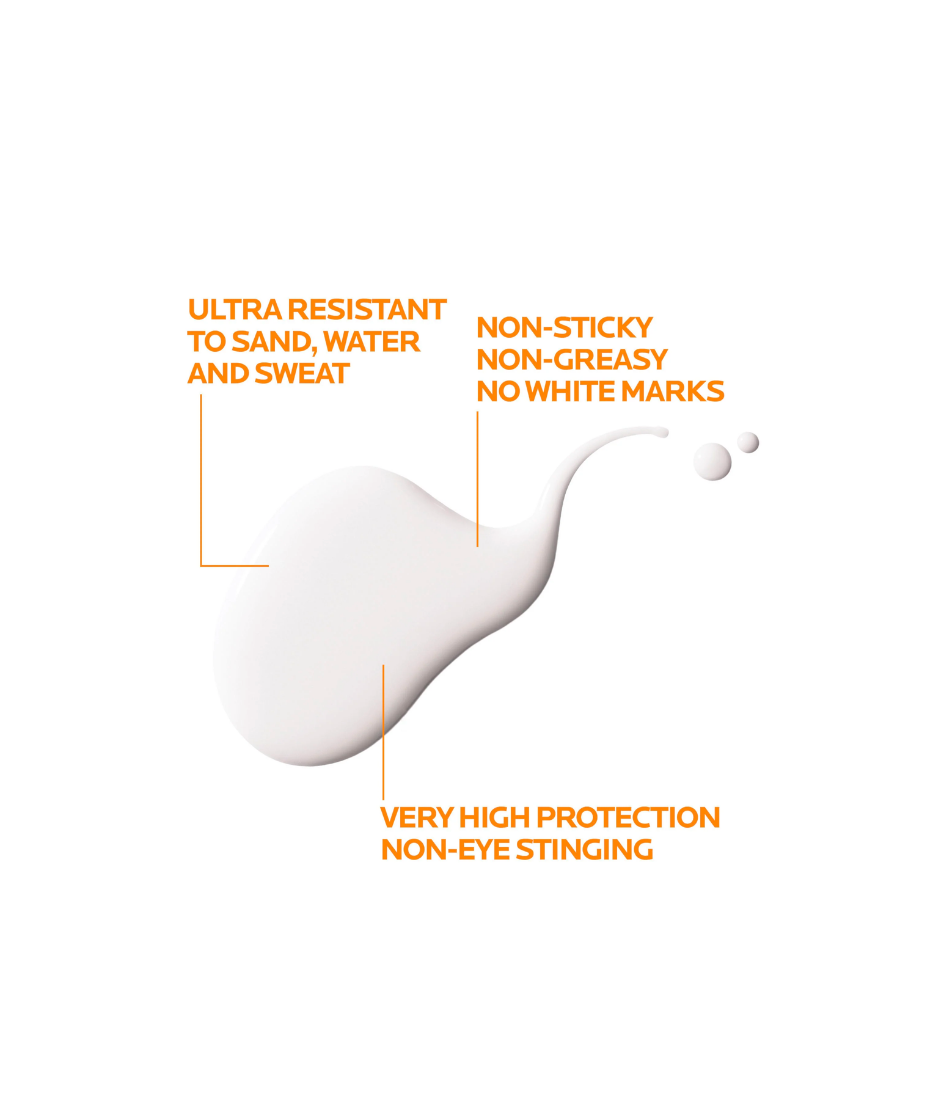
For a European option that's widely trusted and sits very comfortably on acne-prone skin, the LRP Anthelios UVMune 400 Invisible Fluid SPF50+ is hard to beat. The UVMune filter provides protection against ultra-long UVA rays alongside standard UVA and UVB, the texture is genuinely invisible on skin, and it's non-comedogenic, hypoallergenic, and sweat-resistant. A solid everyday choice.

Optional Extras

Pimple patches are a great thing to keep on hand if you're prone to breakouts. I've seen them being warn out and about, which typically isn't an issue. However in summer when you're going to be a bit sweatier etc., I recommend wearing these overnight only.

DON'T STRESS

Staying on top of your breakouts this summer doesn't have to be difficult - you just have to be consistent.

Once you have a routine that is working, stick with it. Cleansing and gentle exfoliation are the most important part of your routine this time of year to stay ahead of the SPF congestion, excess oil and sweat etc.

Stressing about your acne/breakouts won't help. If you find yourself struggling and you want tailored advice? Book a consultation with me at Dr. Laura Clinic. We'll build you a tailored skincare routine, and look at options around prescription creams/medications.

- Dr Laura

The information in this article is intended for general educational purposes only. It is not a substitute for professional medical advice, diagnosis, or treatment. If you have concerns about your skin or are considering any treatments for acne, please speak to a qualified medical professional. If you'd like to discuss your skincare or treatments with us, we're happy to help.