Cleanse.png
DR. LAURA'S GUIDE | MARCH '26

10 HABITS THAT MIGHT BE MAKING YOUR SKIN WORSE

Small every day behaviours can affect skin health more than people realise. People are quick to blame skincare when their skin goes through a bad patch, but often it's the abouts around the skincare that matter.

YOUR SKIN RESPONDS TO PATTERNS

Skin is very responsive to patterns. Daily habits can quietly disrupt the skin barrier, prolong inflammation or prevent the skin from recovering properly after breakouts or irritation.


Improving skin is not always about adding more treatments. Often it begins with recognising the everyday habits that might be working against it.

1) cleansing too often

Many people now cleanse their skin far more frequently than they realise. Between morning routines, evening routines, removing sunscreen, removing makeup and washing after workouts, the skin can end up being cleansed several times a day.

While cleansing is important, over-cleansing can slowly weaken the skin barrier. This often leads to dryness, irritation and sometimes even increased breakouts as the skin tries to compensate.

In clinic, we recommend an AM cleanse, and a PM double-cleanse. Of course, we always recommend a gentle cleanser that won't strip the skin.

If you do workout and need to refresh the skin throughout the day, try a hypochlorous acid spray like Clinisoothe.

2) LAYERING TOO MANY ACTIVES

Another pattern I see frequently is the use of multiple active ingredients in the same routine.


Actives like retinoids, exfoliating acids, toners, antioxidants and medicated topicals all have a place in skincare, but using several of them together can overwhelm the skin.

When the barrier becomes irritated, the complexion may appear redder, more reactive or more prone to breakouts. In many cases, simplifying the routine and focusing on fewer products improves the skin far more quickly.

My Core 4 approach spreads actives our between AM & PM routines rather than layering everything all together. We also find the actives that suit your skin without over-doing it.

3) SKIPPING SPF

Although Dr. Laura feels like a broken record when talking about the importance of daily SPF, we still get people in-clinic who think sunscreen is mainly for holidays or sunny days.

But in reality, if it's bright outside, we're being exposed to UV rays that directly contribute to pigmentation, collagen loss and premature ageing. Even when the sky is overcast, cumulative UV exposure continues to affect the skin.

Consistent daily sun protection remains one of the most effective ways to protect long-term skin health.

4) touching or picking the skin

This is one of the most common habits that prolongs skin problems, particularly when it comes to acne and breakouts.

Even gentle picking can increase inflammation and make breakouts last longer. It also significantly increases the risk of post-inflammatory pigmentation (the red marks left after spots), particularly in people who are already prone to it.

Leaving the skin alone while it heals often improves recovery more than people expect.

Exfoliating_Acids.webp

5) Over-exfoliating when skin is dull

When skin begins to look dull or uneven, the instinct is often to exfoliate more frequently.

However, dullness is often linked to dehydration or a compromised skin barrier rather than a build-up of dead skin cells.

Increasing exfoliation in that situation can make the skin more irritated and more reactive. Supporting hydration and barrier repair often restores brightness more effectively. Start here, and stick to your regular exfoliation routine.

6) Changing products too often

Skin takes time to adapt to new products.

When routines change constantly, it becomes difficult to see what is actually helping the skin. At Dr. Laura Clinic, we typically recommend sticking with a product for 12 weeks before making a call.

Switching products every few weeks can also prevent the skin from settling into a stable routine. Consistency is far more effective than constantly introducing new products.

7) Ignoring the skin barrier

Many skin concerns share a common underlying factor: a weakened skin barrier.

When the barrier is compromised, the skin becomes more sensitive, more reactive and slower to recover from inflammation.

Supporting the barrier with gentle cleansing, hydration and appropriate moisturisers allows the skin to regain balance over time.

Recognising that your barrier is in need of repair can be transformative for your skin. Look out for stinging, redness, sensitivity or changes in the skin.

8) Not changing pillowcases regularly

Pillowcases accumulate oil, skincare residue, hair products and bacteria over time. If you run warm, your pillow is also slowly building up sweat too.

Because the skin remains in contact with that surface for several hours every night, it can contribute to irritation or breakouts, particularly around the cheeks and jawline.


Changing pillowcases regularly is a simple adjustment that can sometimes improve persistent breakouts.

Admittedly, this is something I could also improve on - I have two pillows so I flip them every two nights and swap them!

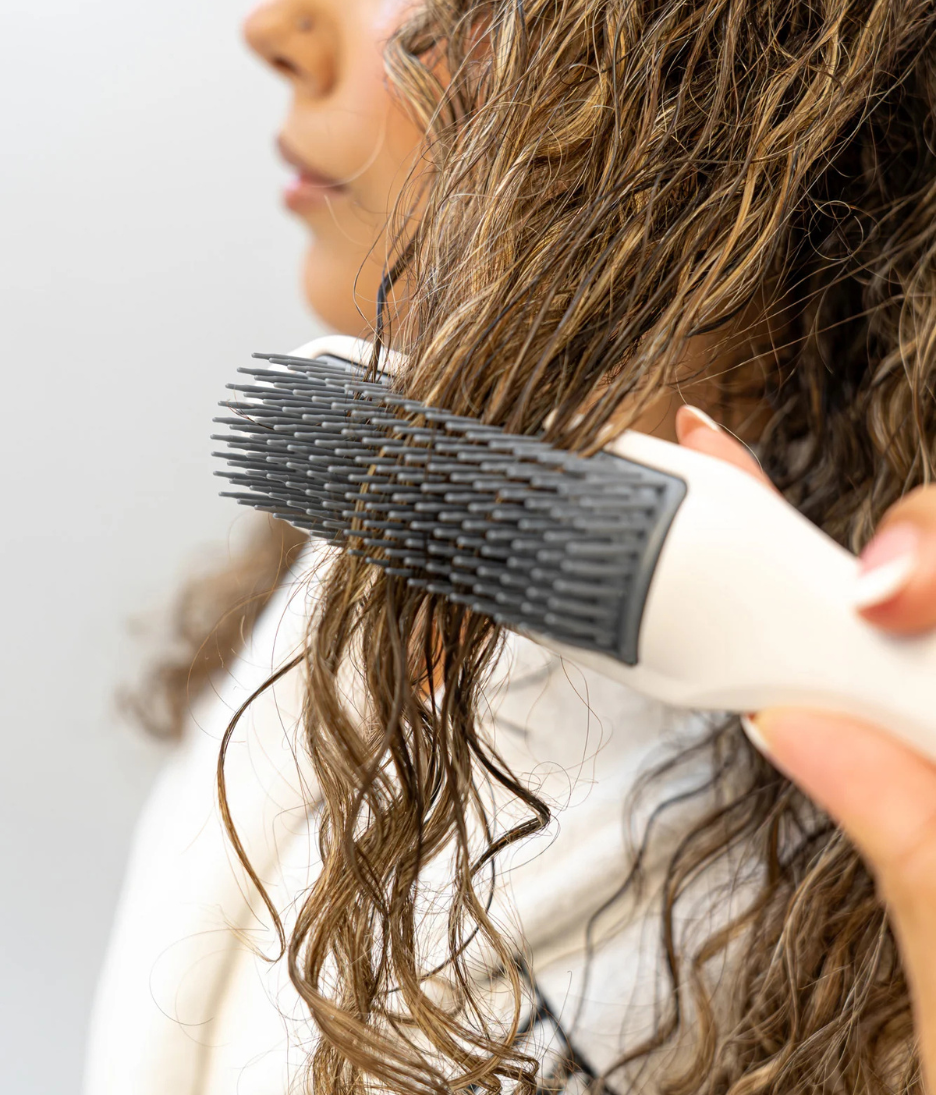
9) Letting hair products sit on the skin

Shampoo, conditioner and styling products often contain ingredients that can irritate the skin or clog pores.

When haircare products sit along the hairline, temples or back, they can contribute to breakouts in those areas. This is something we often see in patients with persistent acne around the forehead or upper back.

Rinsing thoroughly and cleansing the skin after washing the hair can help reduce this. So, remove your makeup, wash your hair and cleanse again after the shower, or, if you cleanse in the shower, wash your hair first and cleanse afterwards!

10) Using very hot water

Hot showers can feel relaxing, but repeated exposure to very hot water can strip the skin of its natural lipids and weaken the barrier over time. While your body might be better able to tolerate this, the skin on your face is generally more sensitive to it.

This often leaves the skin feeling drier and more reactive. Using warm water rather than very hot water helps protect the skin barrie, and does the same job.

Habits_lifestyle_imagery.png

Improving skin does not always require stronger products or more complicated routines.

In many cases, the biggest improvements come from identifying the everyday habits that may be quietly disrupting the skin.

Once those patterns are adjusted and the skin barrier is properly supported, your skincare can actually do it's job to help.