Perimenopause_and_your_skin.png
DR. LAURA'S GUIDE | MAR 2026

Perimenopause & Your Skin

Does your skin suddenly feel unfamiliar? In this guide, I explain the small skincare changes that make the biggest difference during perimenopause.

Perimenopause is often the stage when women tell me their skin suddenly feels "different". Rather than waking up one morning and noticing their skin has changed, they just slowly start to notice that their skin simply stops responding in the way it once did.

For some, their skin feels thinner, drier or slightly less firm. Some women notice that their skin becomes more reactive, while others find that pigmentation lingers longer than it used to.

The instinct at this stage is often to overhaul everything. My advice from a clinical perspective? Most of the time, a few thoughtful adjustments make far more difference than starting again.

WHY DOES SKIN CHANGE DURING PERIMENOPAUSE?

During perimenopause, fluctuating oestrogen levels affect how the skin produces lipids, collagen and natural hydration. This can lead to dryness, increased sensitivity and a gradual loss of firmness.

The skin barrier can also become more fragile, which is why products that once worked perfectly may suddenly start to feel irritating or less effective.

In most cases this does not mean your routine needs to be completely replaced. Small changes that support hydration and barrier health usually make the biggest difference.

If dryness is becoming more noticeable, focusing on barrier-supporting moisturisers and hydrating serums can help with that general feeling of discomfort in your own skin.

So, what else can you do in your skincare routine to support your skin through perimenopause?

Cleansing_Gel.gif
TheInkeyListHydratingCream-to-MilkCleanserTexture.png

SWITCH TO A CREAM BASED CLEANSER

You've gotten this far in life with your favourite cleanser, and it's never done you wrong... until perimenopause.

As oestrogen fluctuates during perimenopause, the skin barrier becomes more fragile and lipid levels begin to decline. A cleanser that once felt refreshing can start to feel subtly stripping.

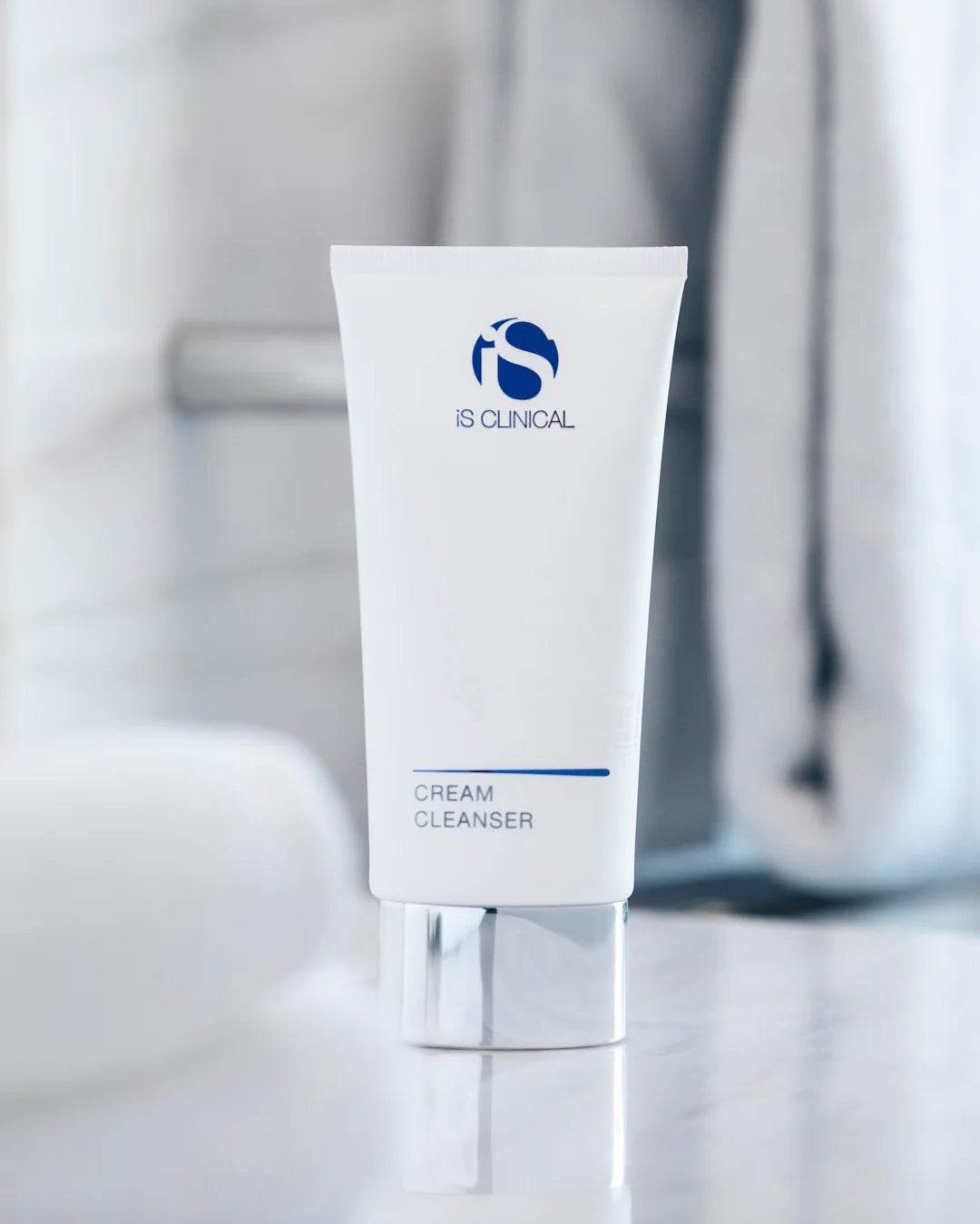
Moving to a cream-based cleanser is often the first change I suggest. It reduces tightness, supports the barrier and helps the skin feel more comfortable almost immediately.

It is usually the simplest adjustment, but it often makes the biggest difference.

MY FAVOURITE CREAM CLEANSERS


UPGRADE YOUR MOISTURISER

This is probably the change I make most frequently.

Perimenopausal skin usually needs more lipid support, not just hydration. The skin still needs water, but it also needs help maintaining its protective structure.

A moisturiser such as Triple Lipid Restore helps replenish essential lipids that naturally decline over time. For skin that feels more reactive, Reparative Moisture Emulsion offers calming, barrier-focused support in a lighter format.

Sometimes upgrading the moisturiser alone noticeably improves how the skin looks and feels. Personally, I've been reaching for Skin Restore from Mimetique lately and my skin has been loving it.


Close-up image of a persons back with visible droplets of water on the skin. A circular inset shows a diagram of skin layers with a focus on hydration.

ADD A HYDRATING SERUM

I did a whole blog post on this recently, since I've definitely noticed changes in my own skin as I navigate perimenopause! Read that here.

Earlier in life, many women do not need a separate hydrating serum.

As skin changes, transepidermal water loss increases and the skin becomes less efficient at holding onto hydration. Layering a simple hydrating serum underneath your moisturiser can improve both comfort and plumpness.


It does not need to involve multiple products. One well-formulated hydrating serum used consistently can make a visible difference.

REFOCUS ON THE CORE FOUR

Perimenopause is often when the fundamentals become even more important.

In clinic I often come back to what I call the Core Four:

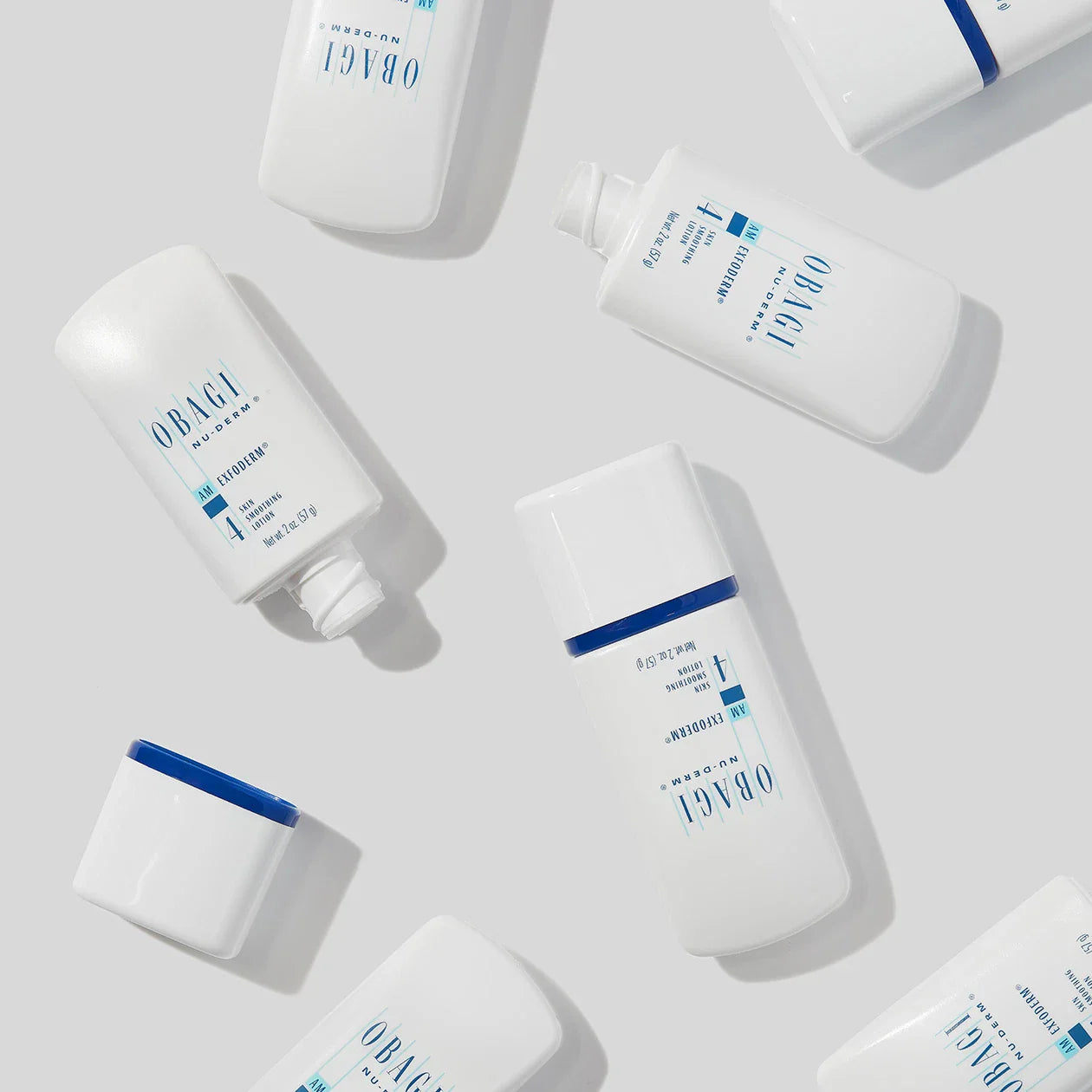
Antioxidant & SPF in the AM

Exfoliating acid & retinoid in the PM

The only thing to be conscious of here is the dryness that can be a common side-effect of retinoids. If your skin is going through a particularly dry/dehdrated stage and you haven't been using a retinoid up to now... maybe skip them until your barrier is in a better place.

If they are not suitable, peptides can play a useful supporting role. At this stage of life the focus shifts towards protection, resilience and maintaining skin structure.

THINK ABOUT COLLAGEN BEYOND SKINCARE

WHERE TO START IF YOUR SKIN IS CHANGING DURING PERIMENOPAUSE

If all of this feels like too much, simplify it.

Start with the basics. Switching your cleanser, upgrading your moisturiser and supporting hydration can make a noticeable difference without needing to overhaul your entire routine.

A simple starting point might be:

iS Clinical Cream Cleanser to support the barrier from the first step

La Roche-Posay Hyalu B5 Serum for hydration and bounce

Mimetique Skin Restore for calming, barrier-focused support


You do not need to change everything at once.

Small adjustments made thoughtfully tend to work far better than dramatic routine overhauls.